Free British Slavery Records (1813–1840): How to Find Caribbean Family History
Does your family have roots in Jamaica, Barbados, Trinidad, Guyana, the Bahamas, or another former British colony? A huge collection of old family records from before slavery ended is now free to search online.
In 2026, nearly 4 million records and more than 250,000 original pages from the UK National Archives (called Series T 71) went online for free.
Here is why this is such big news: U.S. slave lists from 1850 and 1860 almost never wrote down the names of enslaved people. These British lists did. Every few years between 1813 and 1840, they listed enslaved people by name.
Here is what these pages show, which islands are included, and how to search them step by step without getting lost.
1. What You Can Find on These Pages
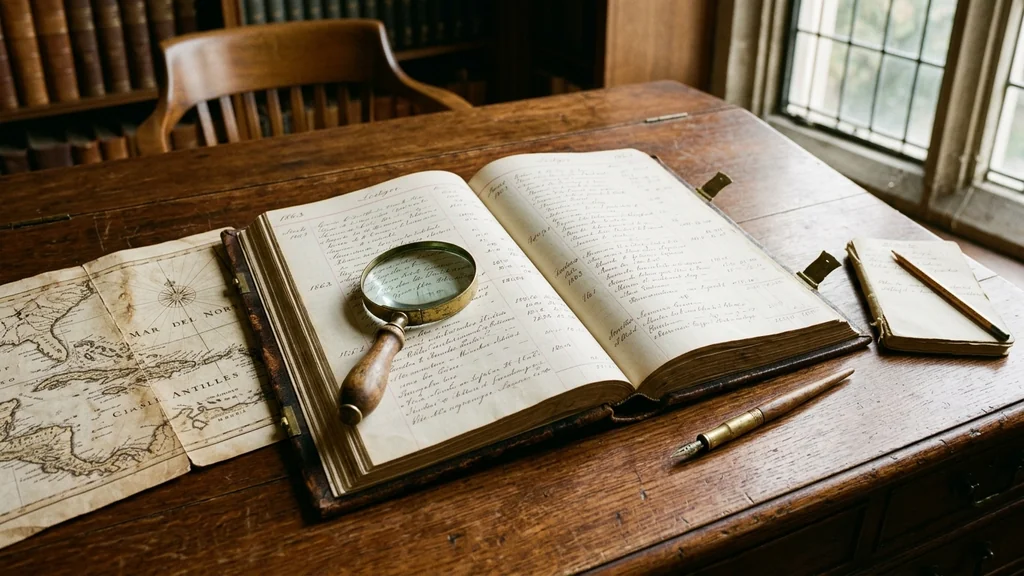
Between 1813 and 1840, British law required estate owners to turn in lists of every enslaved person they held. Clerks copied those lists into big record books now kept in London.
One page can give you family clues that are hard to find anywhere else from that time:
- First names and older names: Many pages list a person’s current name along with an earlier name. This helps a lot when families started using new last names later on.
- Mothers’ names: Children and young adults are often linked right to their mother by name. This is one of the best family clues in the whole collection.
- Age and birthplace: Pages often list a person’s rough age, sex, and whether they were born in Africa or on the island (often written as Creole).
- Estate name and parish: Knowing the exact estate and parish lets you follow the same family from list to list (such as 1817, 1820, 1823, 1826, 1829, and 1832).
- Life changes: Later lists often note births, deaths, sales, or when someone moved to a new estate.
2. Which 20 Places Are Included (and Which Are Not)
Before you start searching, check if your family’s island or colony was under British rule between 1813 and 1840. These records cover 20 former British colonies:
- Caribbean & Atlantic (15): Antigua (1817–1834), Bahamas (1822–1834), Barbados (1817–1834), Bermuda (1821–1834), British Virgin Islands / Tortola (1818–1834), Dominica (1817–1834), Grenada (1817–1834), Jamaica (1817–1834), Montserrat (1817–1834), Nevis (1817–1834), St. Kitts / St. Christopher (1817–1834), St. Lucia (1815–1834), St. Vincent (1817–1834), Tobago (1819–1834), and Trinidad (1813–1834).
- Central & South America (2): Guyana — listed as Berbice and Demerara (1817–1834), and Belize — listed as British Honduras (1834).
- Africa & Indian Ocean (3): South Africa — listed as Cape of Good Hope (1816–1838), Mauritius (1817–1835), and Sri Lanka — listed as Ceylon (1818–1840).
Quick check to save you time: These records do not include places ruled by Spain, France, the Netherlands, or Denmark at that time. That means Dominican Republic, Haiti, Cuba, Puerto Rico, the U.S. Virgin Islands (St. Thomas, St. John, St. Croix), French Guiana, and Suriname are not in this collection. They also do not cover U.S. states.
3. How to Search Step by Step
Where you should start depends on when the oldest relative you know was born.
If they were born in 1840 or earlier
You can search the British lists right away in Ancestry Collection 62711. It is free to search and view with a free Ancestry account—you do not need a paid plan.
Tip: Search using just a first name + island + parish first. Many enslaved people did not have a fixed last name listed before 1834.
If they were born between 1841 and 1880
Your relative was born right after slavery ended in the British colonies (1834–1838), so they will not be on the 1813–1834 lists—but their parents or grandparents might be.
Start with church records (like baptisms) or government birth and marriage records for that island. Look for two clues: the parish where they lived and their parents’ names. Then search those parents in the 1813–1840 lists.
If they were born after 1880 (or you are not sure)
Start in the 1900s first. Look at birth, marriage, death, or ship arrival records (ships arriving in New York, Florida, or New Orleans from Jamaica or Barbados often list the exact hometown parish and a close relative back home).
Work backward one step at a time until you find a parish name or an earlier relative.
4. Two More Free Sites That Help
Once you spot an estate name or owner’s last name on a record page, check these two free websites. Neither one asks you to sign in:
- UCL Legacies of British Slavery database: Type in the estate or owner name to see which parish the estate was in, who owned it over time, and where later family papers are kept.
- UK National Archives Guide (Series T 71): Shows which book numbers match each island and year, so you can read the lists in order.
5. How The 1870 Project Helps You Connect the Dots
You do not have to memorize all 20 islands or date rules on your own. We built these checks right into our site:
- Free in Discovery Search (0 credits): Search for an ancestor from Jamaica, Barbados, Trinidad, Guyana, or any other covered colony on the1870project.com. Our British Colony Records (1813–1840) guide pops up automatically and gives you a clear next step for free.
- Included in our DNA Decoder: If your DNA results point to British Caribbean roots, our DNA Decoder (50 credits, with a free screenshot preview before you pay) includes this same British record guide alongside your family-line breakdown. Remember: DNA gives you clues about where to look, and paper records prove who your ancestors were.
Frequently Asked Questions
Are the 1813–1840 British slavery records really free to search?
Yes. Ancestry Collection 62711 (Global, Former British Colonies, Enslavement Registers, 1813–1840) is free to search and read with a free Ancestry account. You do not need a paid plan. The UK National Archives guide and the UCL slavery database are also free with no account needed.
Which islands and colonies are in these British records?
They cover 20 former British colonies between 1813 and 1840: Antigua, Bahamas, Barbados, Belize (British Honduras), Bermuda, British Virgin Islands, Dominica, Grenada, Guyana (Berbice and Demerara), Jamaica, Mauritius, Montserrat, Nevis, South Africa (Cape of Good Hope), Sri Lanka (Ceylon), St. Kitts (St. Christopher), St. Lucia, St. Vincent, Tobago, and Trinidad.
Are Dominican Republic, Haiti, Cuba, Puerto Rico, or the U.S. Virgin Islands included?
No. This collection only covers former British colonies. Places ruled by Spain, France, the Netherlands, or Denmark kept their own separate records.
What if my ancestor only had a first name on the 1817 or 1820 list?
That is very normal on early lists. Look at the estate name, parish, age, birthplace, and mother’s name next to their name. Those clues help you follow the same person across later lists and spot when a last name or new name was added.
Sources
- Ancestry Collection 62711: Global, Former British Colonies, Enslavement Registers, 1813–1840 (Free with a free Ancestry account) (opens in a new tab)
- The National Archives (UK): Slavery or Slave Owners Research Guide — Series T 71 (Free, no login) (opens in a new tab)
- UCL Centre for the Study of the Legacies of British Slavery Database (Free, no login) (opens in a new tab)