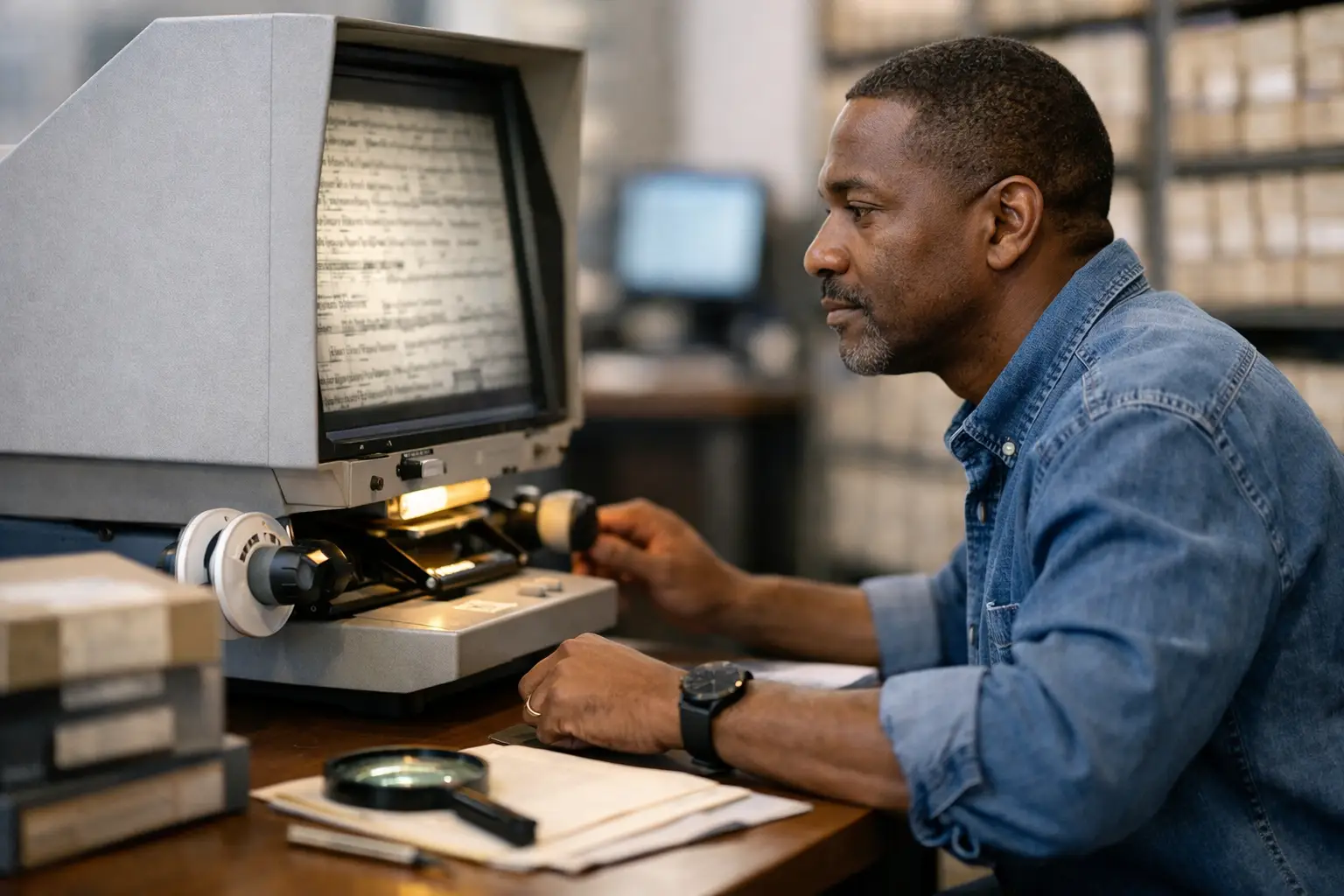
Top Archives for Black Ancestry to Search First
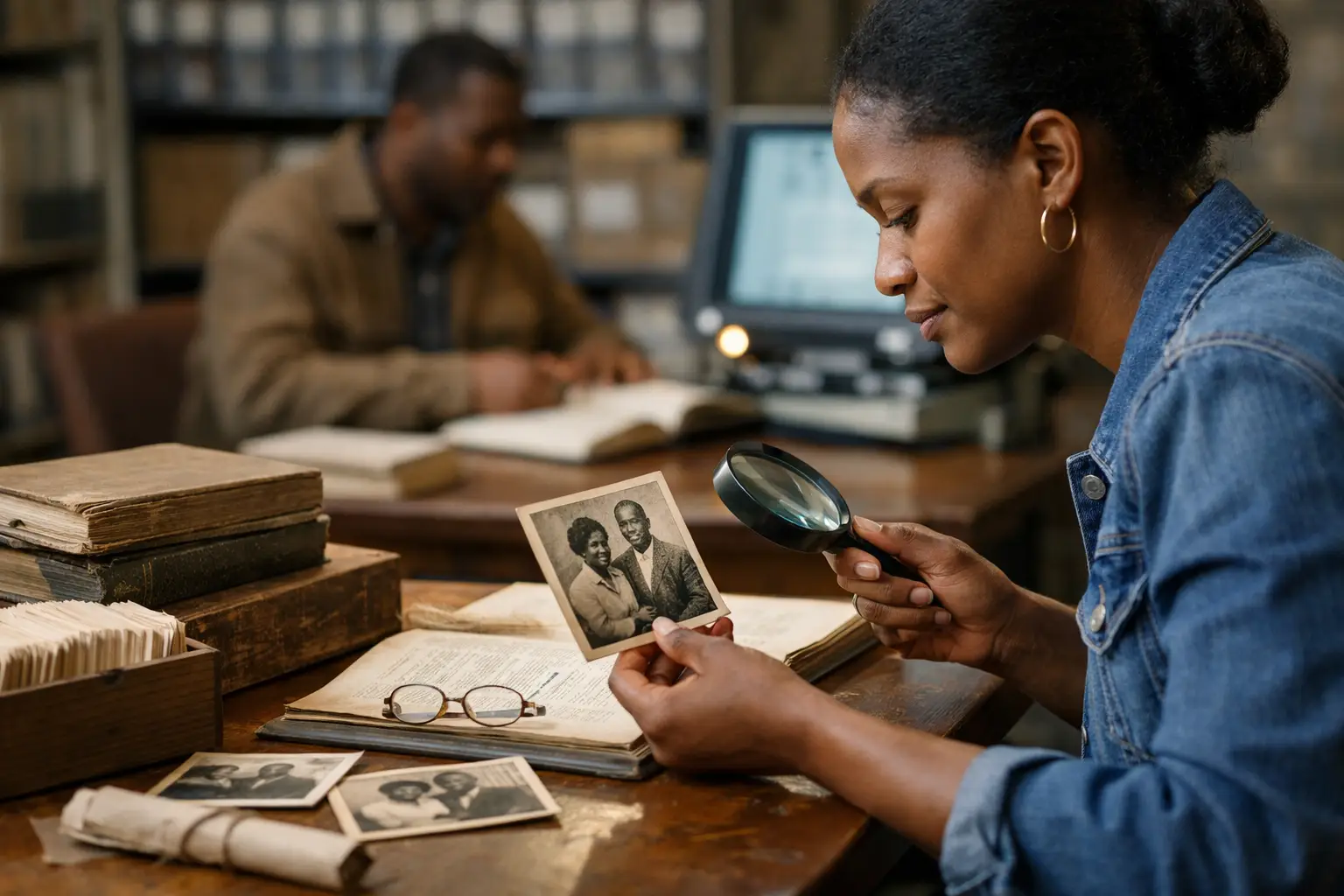
The right record is rarely sitting in a single family tree. For many families, the top archives for black ancestry are the places that preserve the paper trail created when freedom, property, marriage, military service, and migration became official business. Your ancestor may not appear under the name you expect. They may be recorded through a child, a former enslaver, a church, a pension file, or a county court.
That is why archive choice matters. A broad search can produce 400 weak hints. A targeted archive can reveal a mother’s maiden name, a last-known residence, the plantation where a family was held, or the county you need to search next. Start with the records closest to your ancestor’s life after Emancipation, then work backward with evidence.
The top archives for Black ancestry, in research order
1. National Archives records
The National Archives and Records Administration, often called NARA, should be near the top of your list when your family lived in the United States before or soon after 1870. Its federal collections include population censuses, military service records, pension applications, Freedmen’s Bureau records, Freedman’s Bank records, Southern Claims Commission files, and records created by federal courts and agencies.
For African American research, do not treat the 1870 census as the finish line. Treat it as your launch point. Identify every person in the household, nearby families with the same surname, birthplaces, occupations, and land values. Then use the county, age, and household structure to search records generated between 1865 and 1872.
NARA’s catalog is powerful, but it can feel like a warehouse with no aisle signs. Search by county, state, surname variations, military unit, former enslaver surname, and agency name. When a catalog result identifies a National Archives microfilm publication, write down the publication number and roll number. Those details turn a vague lead into a repeatable research task.
2. Freedmen’s Bureau field office records
Freedmen’s Bureau records are among the most revealing sources for the years immediately after the Civil War. Bureau agents handled labor contracts, wage disputes, marriages, family reunification requests, schools, hospitals, rations, complaints, and legal conflicts. These files can place a person in a precise county during the years before the 1870 census and may name spouses, children, employers, and former enslavers.
The key is to search beyond a surname index. Many records are organized by the field office that created them, not by the people named inside. Once you know a likely county, look for the nearest bureau office and examine records such as letters received, labor contracts, marriage registers, and complaints.
A labor contract may identify the landowner and the workers who signed it. A complaint may explain why a family moved. A marriage register may provide a couple’s prior relationship and legal recognition date. These are not just administrative fragments. They are evidence of people rebuilding family life under pressure.
3. Freedman’s Bank records
The Freedman’s Savings and Trust Company, commonly called the Freedman’s Bank, opened accounts for formerly enslaved people and other African Americans after the Civil War. Its registers can contain information that ordinary bank records almost never preserve: age, birthplace, residence, occupation, spouse, children, parents, siblings, and former enslaver.
Not every ancestor opened an account, and a missing result proves nothing. But when you find one, read the entire entry. The relative named as a beneficiary or reference may be the bridge to an earlier generation. An account opened in one city may also expose a migration path from a rural Southern county.
Search spelling variants and first names without a surname. Clerks wrote what they heard, and names changed for many legitimate reasons. A failed exact-name search is not a dead end.
4. State archives and state libraries
Federal records tell part of the story. State archives hold the records that show how people lived in a particular place: vital records, state censuses, tax lists, legislative petitions, voter registrations, prison records, school records, public assistance files, and state militia materials.
State archives are especially valuable because rules changed sharply from one state to another. In some places, marriage records for formerly enslaved couples were created by local officials soon after the war. In others, cohabitation registers recognized couples who had lived as husband and wife before legal marriage was available to them. These records can provide a marriage date, prior residence, and names that reach back before 1870.
Before searching statewide, pin down the county. If your ancestor was born in Virginia but lived in Arkansas by 1870, search both places. Migration after Emancipation was common, and a birthplace in a census is a clue, not proof of where every earlier record will be found.
5. County courthouses and local record offices
County records are where genealogy becomes specific. Deeds, probate files, tax rolls, civil court cases, marriage licenses, bastardy bonds, apprenticeship records, road orders, and guardianship files often identify relationships that do not appear in federal databases.
For pre-1870 research, county deed books and probate files can be difficult to read because enslaved people were recorded as property in many legal transactions. The language is painful, but the records may name individuals, family groups, ages, and estate owners. Approach them carefully and document exactly what the record says. Do not assume that everyone listed in an estate belonged to the same biological family.
County boundaries matter, too. Your ancestor’s community may now sit in a different county than it did in 1860. Check when counties were created, divided, or renamed before deciding a record does not exist.
6. Military service and pension files
United States Colored Troops records can be family-history breakthroughs. Enlistment papers, service records, regimental files, and pension applications may identify an enlisted man’s birthplace, age, physical description, residence, spouse, children, and postwar address.
Pension files are particularly strong because applicants had to prove relationships. Widows, minor children, neighbors, ministers, and former comrades gave testimony. A single pension packet can preserve decades of family evidence, including marriage details and affidavits from people who knew the family before freedom.
Search a soldier’s full name, initials, likely age, and county. Then study the regiment. Men often enlisted with neighbors and relatives, so the unit can point back to the community where the family lived.
7. Historically Black colleges, universities, and church archives
HBCUs, Black churches, and denominational archives preserve records that government offices never created or failed to keep. Depending on the institution, collections may include student files, alumni records, faculty papers, church minutes, baptism registers, funeral programs, missionary reports, cemetery surveys, and local oral histories.
Church records can be especially useful where civil birth and death records began late. A baptism entry may identify parents. A funeral program may name siblings, hometowns, and organizations. Church minutes can document marriages, moves, discipline cases, and community ties.
These collections vary widely in access and indexing. Some are digitized, while others require a request to an archivist or an on-site visit. That extra work can be worth it when a family’s story exists nowhere else.
8. Local historical societies, Black newspapers, and special collections
Do not overlook the archive closest to the family’s neighborhood. County historical societies, public library special collections, African American museums, and university archives often hold funeral-home ledgers, family papers, photographs, school yearbooks, local newspapers, and oral-history projects.
Black newspapers are particularly valuable for the twentieth century and can also lead back to older generations. Obituaries, social columns, church notices, military news, reunion announcements, and migration reports can connect relatives across states. Treat every named person as a research lead, not merely a detail.
How to choose the next archive instead of searching everywhere
Start with one documented person in 1870 or later. Record their full household, county, estimated birth year, birthplace, occupation, and neighbors. Then ask one question: what record created closest to this person’s life is most likely to name their family?
If the answer is marriage, go to the county and state records. If it is an 1860s residence, go to Freedmen’s Bureau field office records. If the family includes a Civil War veteran, pursue military and pension records. If a potential former enslaver is known, examine probate, deed, tax, and estate records in the relevant county.
This is where precision beats volume. The 1870 Project can help translate a DNA match or known ancestor into a likely county, an archive path, and the record sets to check, so you spend less time guessing which collection to open.
Your family was here. The record may be misfiled, unindexed, or written in a hand that takes patience to read, but it was created because someone lived, worked, loved, served, sued, married, moved, or fought to keep their family together. Follow that one documented fact to the next archive, and let the evidence carry you backward.