Why We Check Every Family Record by Hand
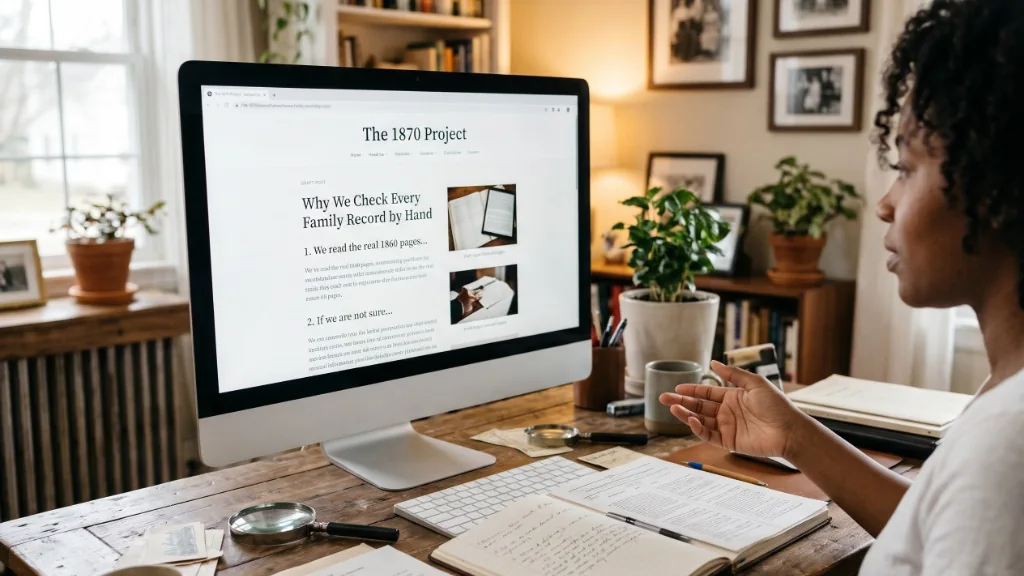
Searching for Black family history is hard enough. You should never have to wonder if a website is guessing about your people.
Recently, we did a thorough checkup across The 1870 Project. We went through all 44 county guides and all 64 Louisiana parishes, line by line. We checked every word, every number, and every search link.
Here is what we changed—and why it helps your family search.
1. We read the real 1860 pages with our own eyes
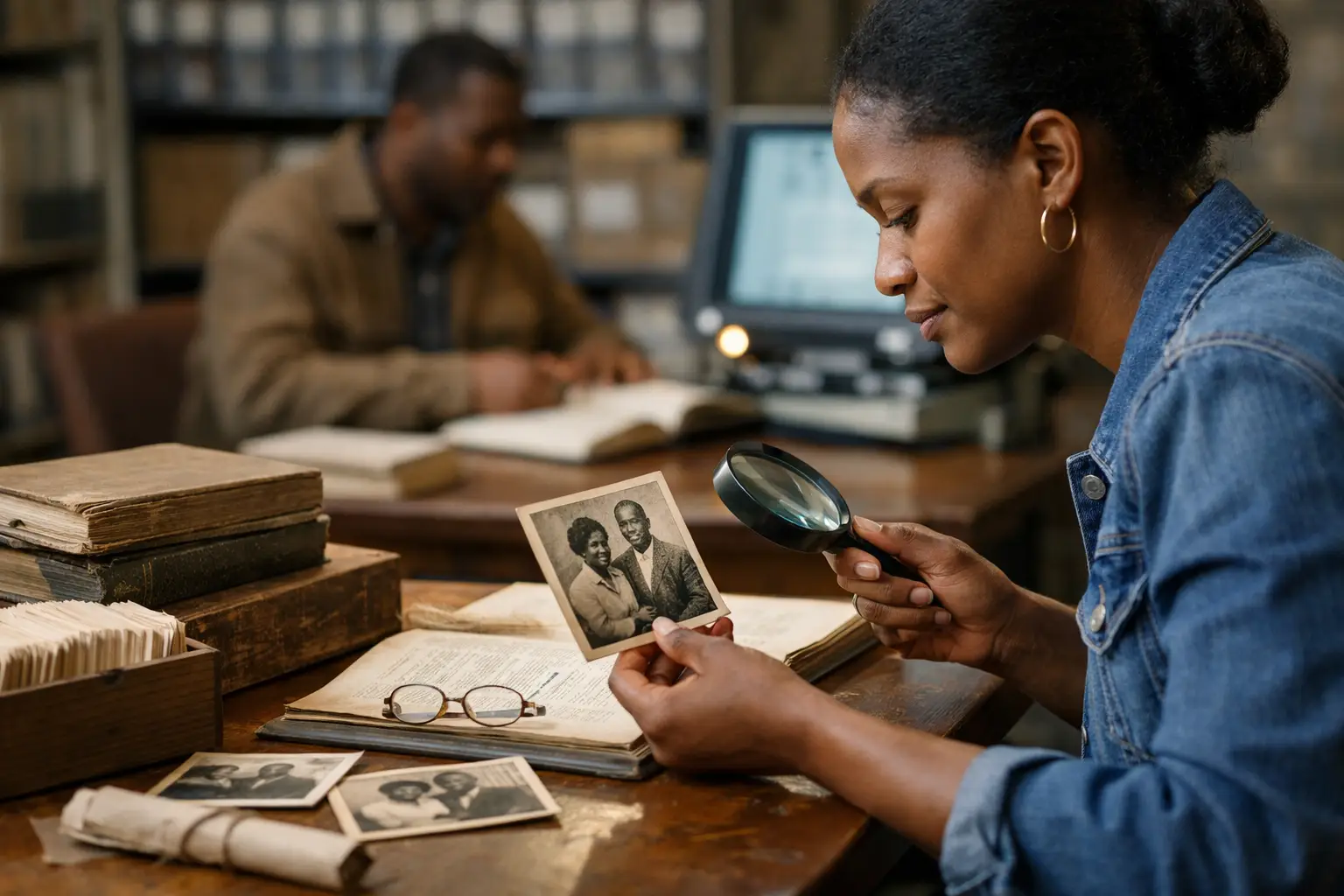
Old census pages were written by hand more than 160 years ago. The ink is faded. The cursive writing can be hard to read.
Sometimes a computer—or even another website—reads a letter wrong. A capital G can look just like a J. One wrong letter can send your search down the wrong road.
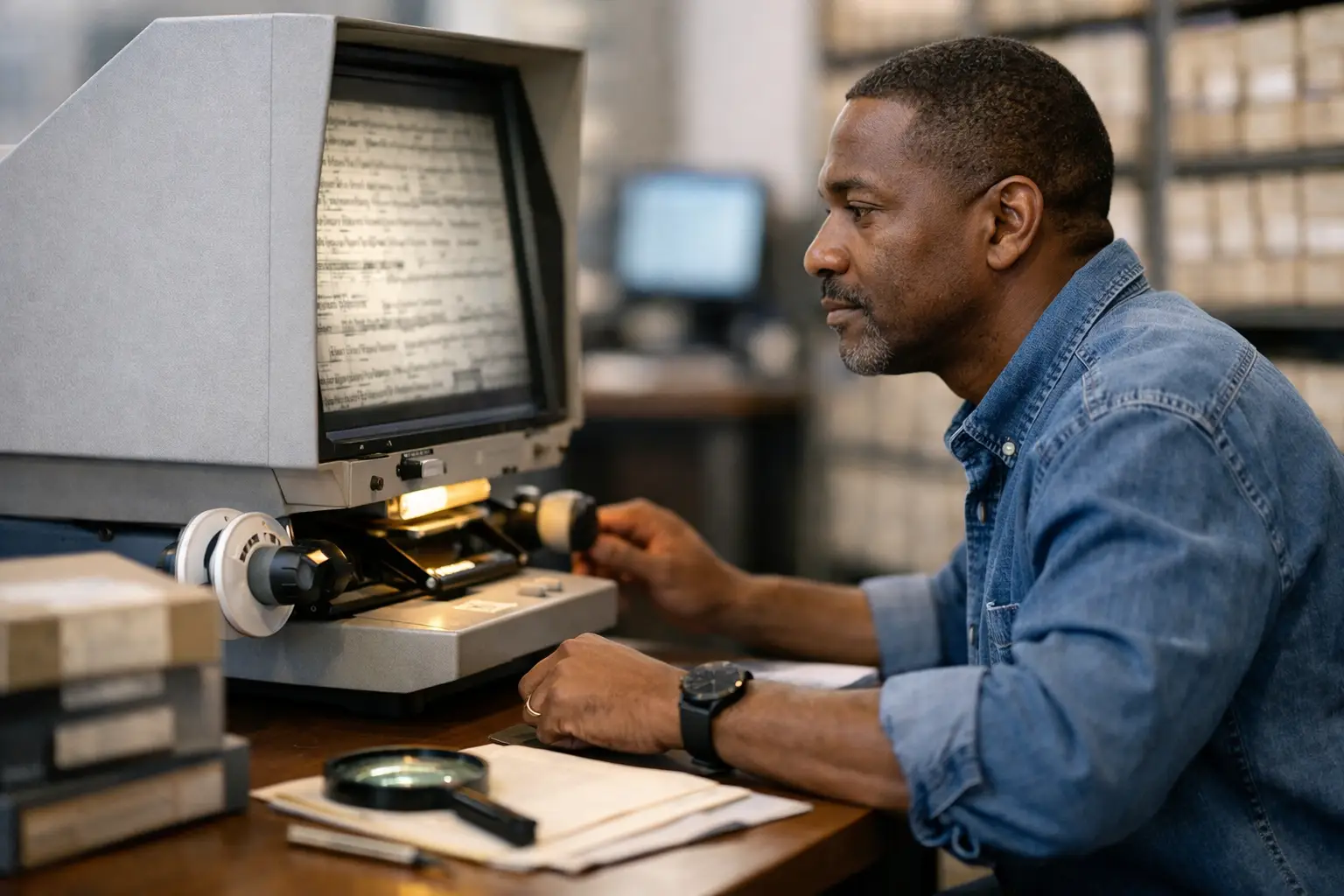
Instead of copying lists from other sites, we open the real 1860 census pages and read them ourselves. When a name is hard to read, we check a second census page (the 1860 free population schedule) to be sure. It takes more time, and that is okay. Your family deserves the truth.
2. If we are not sure, we do not show it
During our checkup, we found 15 counties where the old slaveholder name lists needed a closer look. We hid those lists right away.
We would rather show you nothing than show you a name we have not checked.
We only put each list back after we read the real 1860 census film ourselves. When a list goes back up, we include the exact National Archives film and roll number (for example, NARA M653, roll 1388 for Charles City County, Virginia, and roll 1393 for Lunenburg County). That way, you can look at the original film with your own eyes.
3. We keep DNA and paper records honest
A DNA test can be a great help. It can point you toward cousins and show which regions your people may have lived in.
Still, DNA is a clue. It is not final proof on its own.
We updated our DNA guides so every step tells you the plain truth about what DNA can do and what paper records can prove. No shortcuts. No made-up history. If you want to see how DNA clues connect to real records, try our DNA Decoder.
4. We put free records first
Family history should not only be for people who can afford costly websites.
Whenever we link you to a census record, we put free sites like FamilySearch and the National Archives first. Some sites do ask for a paid account, and some of our readers already pay for them. When we include a paid link, we mark it clearly so you know before you click.
5. A simpler way to find your ancestor’s parents
Finding out who your ancestor’s mother and father were is often the hardest step. Many people do not know where to look first.
Our new Build Parent Search tool walks you through the best records in order for your ancestor’s dates:
- Death certificates, which often name both parents—plus where a close relative can order a copy if the record is not online yet.
- Social Security records, which often list both parents’ names (including the mother’s maiden name).
- Early census pages, which show your ancestor as a child at home.
- Marriage records, using a spouse’s name to narrow the search.
- Obituaries and graves, to catch family clues you might have missed.
You get direct search links built around the family facts you already know.
What we are working on next
We have already verified and restored the first two of those 15 hidden counties (Charles City and Lunenburg in Virginia), and we are working through the remaining 13 one roll of old census film at a time. Each time we finish a county and check every name by hand, we bring it back to the site with the exact National Archives film and roll number listed.
Building a family tree takes patience and real proof. We are doing the slow work behind the scenes so you can trust every step you take.
Ready to look for your people? Visit the1870project.com and start with the ancestor you already know.
Frequently Asked Questions
Why are some county name lists hidden right now?
We hid 15 county lists so we could check every single name on the original 1860 census pages first. We have already verified and restored the first two counties (Charles City and Lunenburg in Virginia), and we add each remaining county back as soon as it is verified.
Do I have to pay to use the record links on The 1870 Project?
No. We put free links first, including FamilySearch and the National Archives. FamilySearch only asks for a free account to view some record images. If a link goes to a paid site like Ancestry, we label it clearly before you click.
Can a DNA test alone prove who my ancestors were?
No. DNA matches give you strong clues about shared relatives and where families lived, but you still need paper records—like census pages, marriage records, and death records—to prove exact names and parents.
How do I know where your county facts come from?
We check our numbers and names against official U.S. Census records from the National Archives. As we verify and restore each county, we list the exact National Archives census film and roll number so you can check our work yourself.
Sources
- National Archives: 1860 Federal Population Census & Slave Schedules (NARA M653) (opens in a new tab)
- FamilySearch: United States, Census (Slave Schedule), 1860 (Free) (opens in a new tab)
- Internet Archive: 1860 U.S. Census Slave Schedules, NARA M653 Roll 1388 (Charles City County, VA) (opens in a new tab)
- Internet Archive: 1860 U.S. Census Slave Schedules, NARA M653 Roll 1393 (Lunenburg County, VA) (opens in a new tab)