Best Ancestry Alternative for Real Research
Most people do not start looking for an ancestry alternative because they love trying new genealogy tools. They start because they are stuck. The hints keep circling the same records. The family tree gets wider, not clearer. DNA results arrive with promise, then sit there without context. And if your line runs into the 1870 census gap, a subscription platform can start to feel less like help and more like a waiting room.
A better ancestry alternative does not just give you more records. It gives you a better next move. That distinction matters, especially for African American families tracing ancestors through slavery, Reconstruction, and the messy paper trail that follows emancipation. It also matters for anyone tired of paying to scroll through databases without knowing which county, archive, or record set actually matters.
What Makes a Good Ancestry Alternative
The wrong way to compare genealogy platforms is by counting how many records they claim to hold. Big numbers sound impressive, but they do not solve hard family history problems by themselves. If you are facing a name change, a migration across county lines, a missing father in the census, or a DNA match you cannot place, volume is not strategy.
A good ancestry alternative should do three things well. First, it should reduce guesswork. Second, it should help you act on incomplete information. Third, it should move you toward evidence, not just entertainment. Family history is emotional work, but it still has to stand on records.
That means the best tools do more than surface shaky hints. They help you identify where to search next, which record groups are most likely to matter, and how to turn a clue into a document. If a platform cannot guide you from a DNA match to a real archive path, or from a family story to a county courthouse lead, it may be useful, but it is not enough.
Why Many Researchers Start Looking Elsewhere
The biggest frustration with legacy genealogy platforms is not that they are useless. It is that they often flatten hard research into a browsing experience. That works fine when the records are abundant, the surnames are stable, and the family stayed put. It breaks down when the history is harder.
For African American genealogy, that breakdown often happens before 1870. The first federal census after emancipation is a milestone, but it is not a starting point you can always cleanly build backward from. People changed names. Families were split across plantations and counties. Ages shifted from record to record. Enslavers' surnames may or may not appear later. A platform built around leaf hints and automated tree matches can miss the point entirely.
Even outside the 1870 brick wall, many users hit the same pattern. They get plenty of possible records, but no ranking of what matters most. They see DNA cousin matches, but no explanation of which branch the match likely connects to. They save documents, but still cannot answer the core question: is this actually my person?
That is where an ancestry alternative starts to earn its value.
The Best Ancestry Alternative Gives You Direction
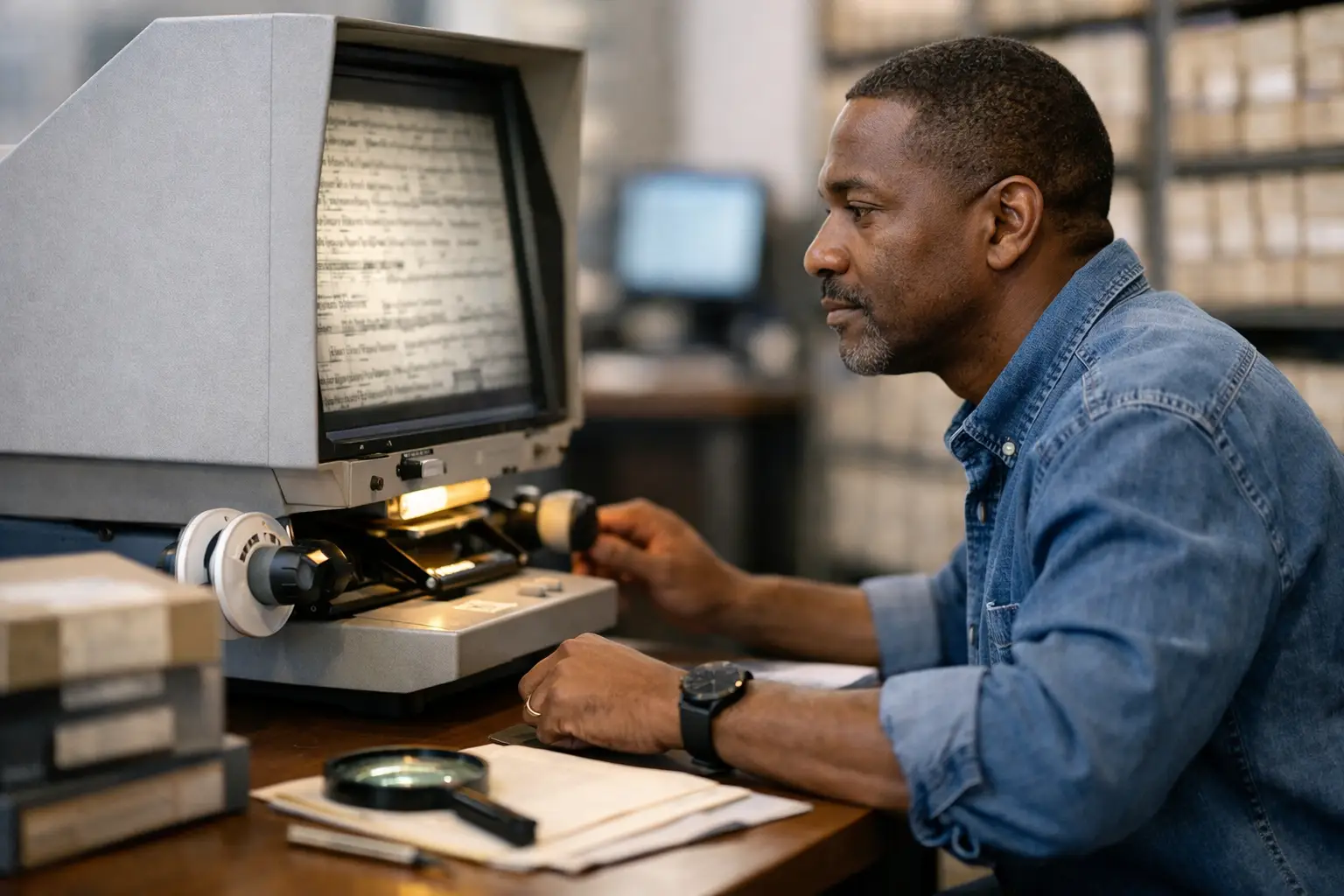
Direction is different from access. Access says, here are millions of records. Direction says, start with this county, this census district, this Freedmen's Bureau field office, this pension file, this microfilm series.
That kind of specificity changes the research experience. Instead of burning hours on broad searches, you work from a tighter hypothesis. Instead of treating DNA like a mystery box, you use it to narrow geography, family clusters, and likely archival routes. Instead of collecting names, you build proof.
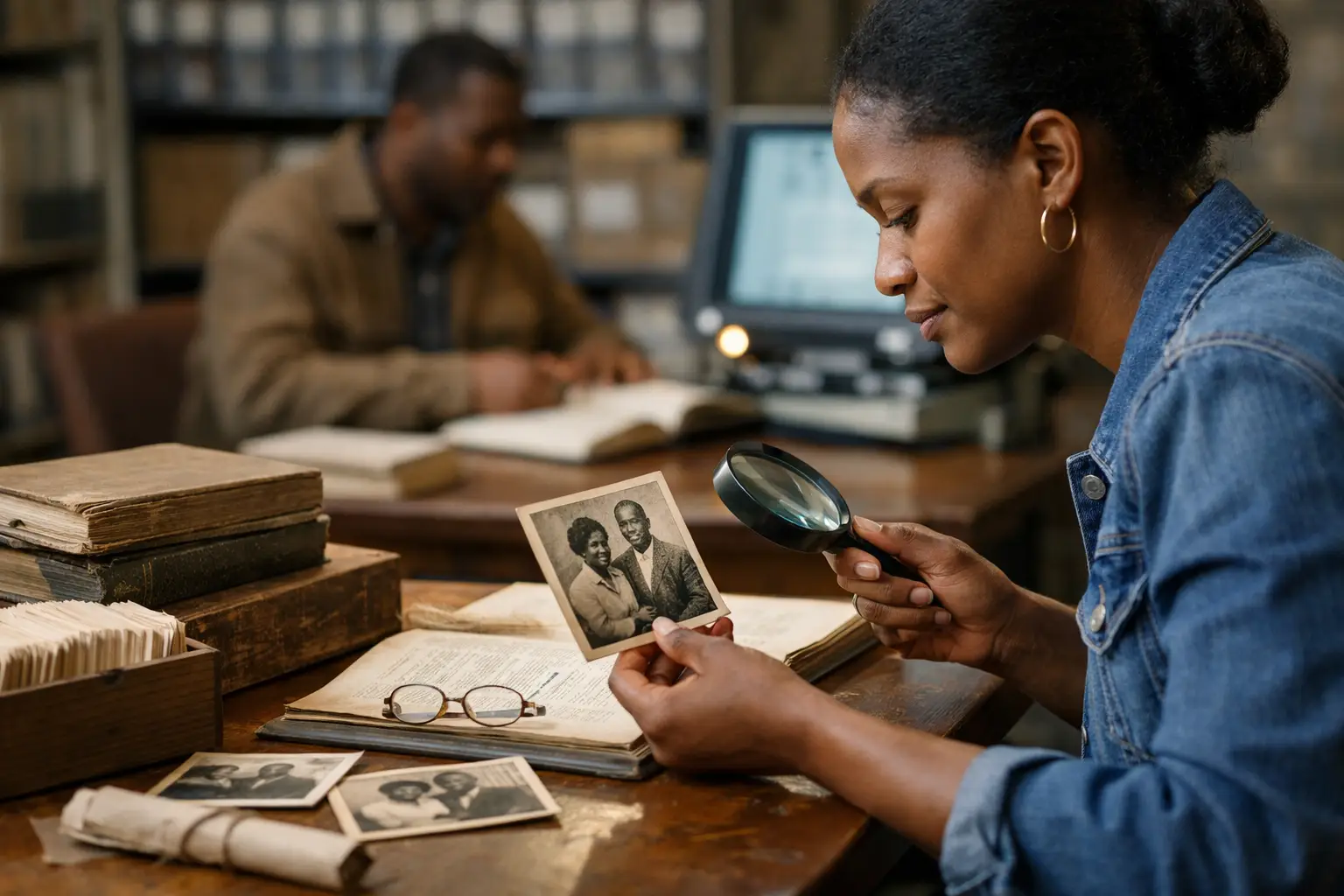
This is especially important when records are fragmented. A marriage record might matter because it names parents. A labor contract might matter because it ties a newly freed family to a plantation location. A probate file from a white household might matter because an enslaved ancestor appears there before emancipation. These are not records most beginners know how to prioritize on their own. A strong platform should help them do that without pretending every case is simple.
DNA Should Point Somewhere
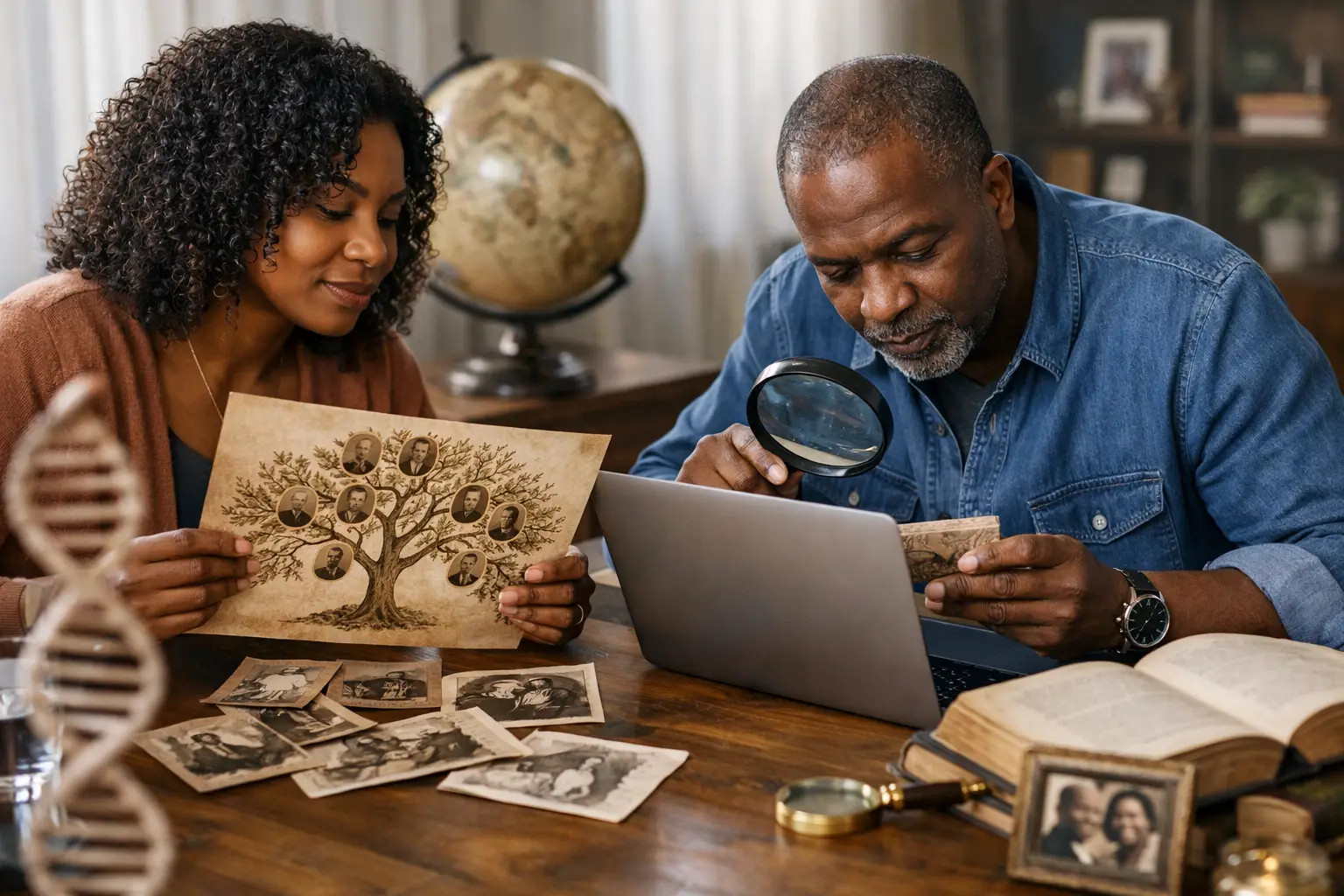
DNA testing changed genealogy, but many platforms still treat it like a side feature. You get match lists, ethnicity estimates, and maybe some clustering tools. That can be useful. It is not the same as interpretation.
For many families, especially those dealing with common surnames or broken paper trails, DNA only becomes valuable when it turns into search strategy. If several matches trace back to one part of South Carolina, that is not just trivia. It may suggest a hub county to search for land, probate, tax, church, or Freedmen's Bureau records. If shared matches cluster around one maternal line, that can help you stop chasing the wrong branch.
The strongest ancestry alternative does not leave you alone with centimorgans and hope. It translates DNA into archival direction. That is where real momentum begins.
Privacy and Pricing Matter More Than Companies Admit
Family history is personal. Your tree can include adoption, enslavement, misattributed parentage, and living relatives who do not want their details spread across a public network. So privacy is not a side concern. It is part of the product.
A strong ancestry alternative should be clear about what happens to your data, what stays private, and what requires your consent. It should also respect the fact that not everyone wants another monthly subscription just to test a search idea. Credit-based or pay-as-you-go models make sense for many researchers because family history does not always happen on a billing cycle. Sometimes you need one focused session, one batch of searches, or one analysis of a DNA cluster. Then you need time to process what you found.
That flexibility is not a luxury. It is part of what makes research feel possible again.
If Your Family Hits the 1870 Wall, General Tools May Not Be Enough
Some genealogy problems are simply harder than others. The 1870 barrier is one of them. If your ancestors were formerly enslaved, the trail often shifts from standard census and vital records into federal bureau records, plantation-linked evidence, probate material, military files, and local archives that do not surface well in mass-market search flows.
This is where specialization matters. A general platform may help you collect basics. A serious ancestry alternative for African American research needs to understand post-Civil War record patterns, county movement, naming instability, and the relationship between DNA clusters and pre-1870 geography.
That is one reason tools like The 1870 Project feel different. They are built around the hard part. Instead of showing you more leaves, they aim to tell you what to search next, where to search it, and which federal or local record trail is most likely to move your case forward. That kind of precision is not a gimmick. For families dealing with historical erasure, it is the work.
What to Look for Before You Switch
If you are considering an ancestry alternative, do not ask only whether it has records. Ask whether it helps you think better. Does it narrow your search area? Does it interpret DNA beyond the match list? Does it help you identify the right archive, record group, or county before you waste time? Does it support interviewing living relatives and preserving what they know before that knowledge disappears?
Also ask how the platform handles uncertainty. Good genealogy tools should not promise certainty where the evidence is thin. They should show you the most likely path, explain the trade-offs, and make it easier to test a theory. Family history is full of maybes until records turn them into facts.
That honesty matters. So does momentum.
The Real Standard for an Ancestry Alternative
The real test is simple. When you finish a session, do you know more than you knew before, and do you know what to do next?
That is the bar. Not prettier trees. Not bigger ad claims. Not endless hints that never reach the courthouse, archive box, pension file, or bureau office where the answer might actually be hiding.
Your family was here. They lived somewhere specific, signed something, appeared in someone's ledger, worshipped in a church, served in a regiment, showed up in a county record, or were remembered by someone still living. The right ancestry alternative helps you get closer to that evidence with less wandering and more purpose.
If your current platform keeps giving you activity instead of answers, that is not a small annoyance. It is a signal to choose a tool built for real research and real families. The next record may not be easy to find, but it should not be left to guesswork.