Best Documents After Slavery Emancipation
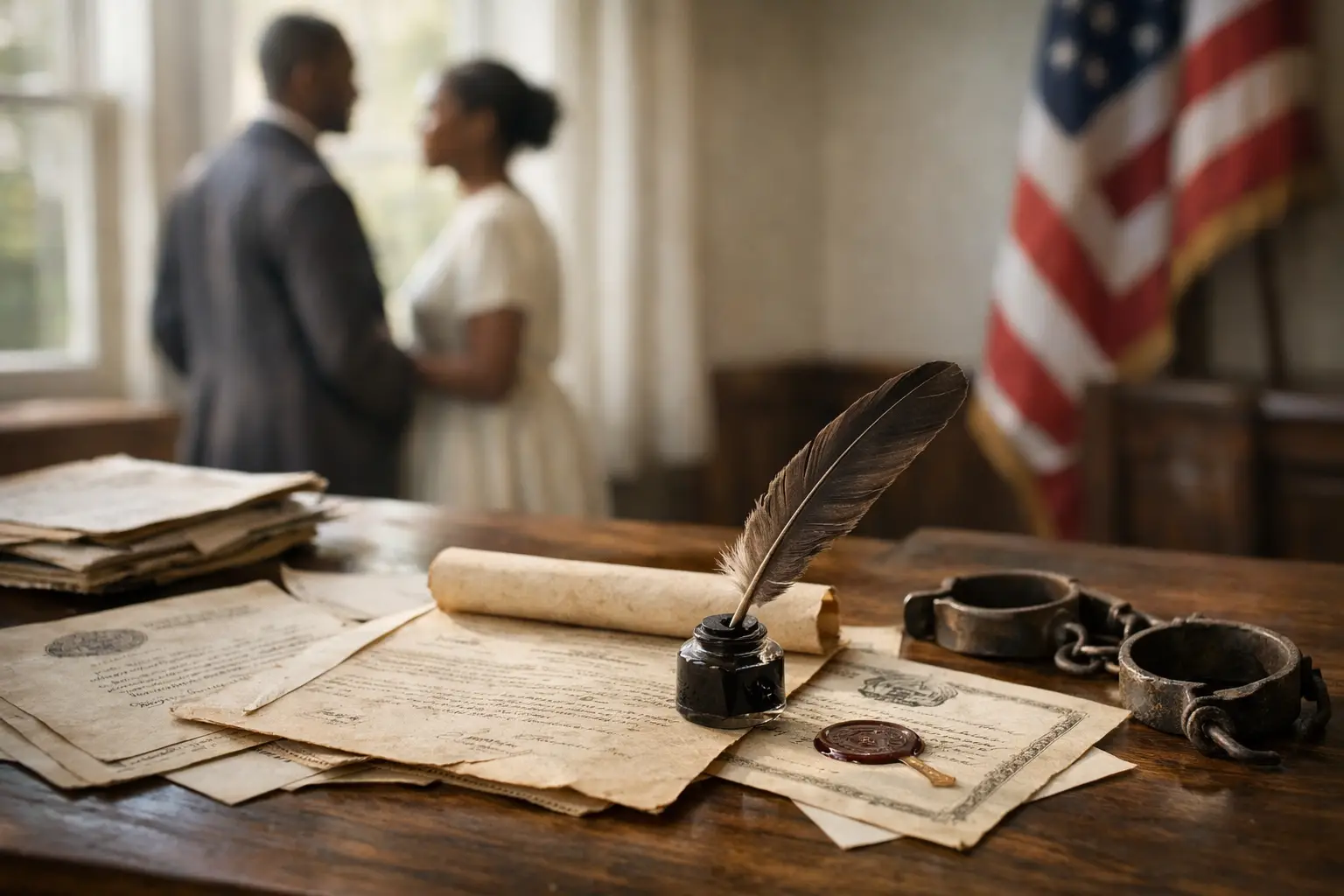
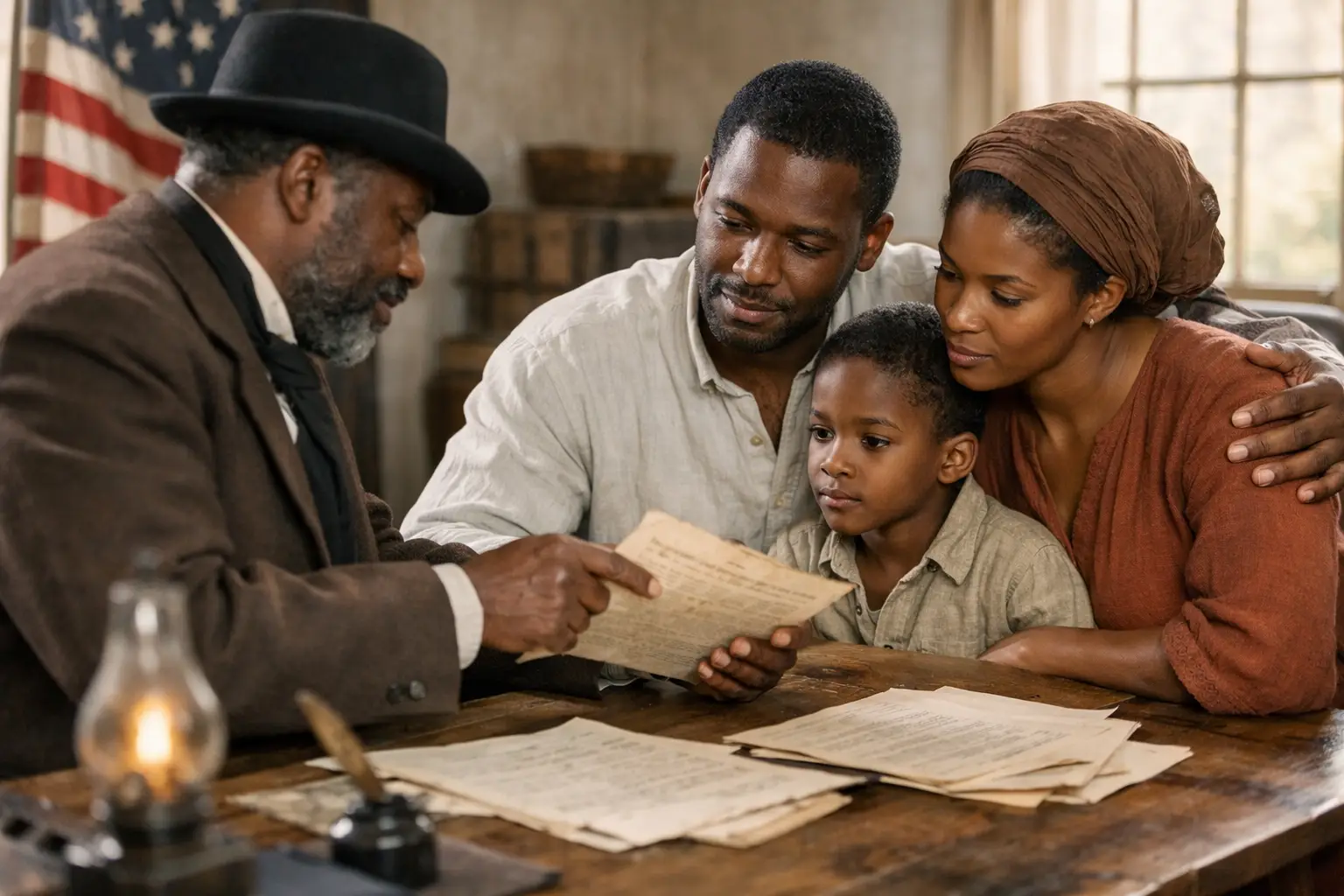
The best documents after slavery emancipation do more than place an ancestor in a postwar household. They can reveal the enslaver’s name, a former plantation, parents and children, a military unit, or the county where a family rebuilt its life. That is the difference between finding a name in 1870 and finding the evidence that can carry your research before slavery.
For African American families, the strongest post-Emancipation record is rarely the most obvious one. The 1870 Census is the starting line, not the finish line. A precise research path begins with the records created when freedpeople sought wages, legalized marriages, claimed military benefits, reunited families, acquired land, and challenged local power.
Start with the 1870 Census, Then Work Sideways
The 1870 Census is the first federal census to list formerly enslaved people by name nationwide. Record every detail before moving on: full names, ages, birthplaces, occupations, real and personal estate values, neighbors, and every person in the household. Do not assume everyone with the same surname is related, but do not dismiss the pattern either.
The people living nearby may be your next clue. Formerly enslaved families often remained near the plantation, relocated with relatives, or settled near people from the same enslaved community. Look at several pages around the household. Identify White landowners, Black families with matching birthplaces, and older residents who may be parents, in-laws, or former associates.
Then search the same family in 1880. The 1880 Census adds each person’s relationship to the head of household and the birthplaces of parents. Those two columns can separate two men with the same name, point you toward a migration route, or reveal that a child was born before a move across state lines.
The Best Documents After Slavery Emancipation
Freedmen’s Bureau records
Freedmen’s Bureau records are often the highest-value source for the years immediately following the Civil War. The Bureau operated from 1865 to 1872 and created records in local field offices across former Confederate states and border regions. A single file can name family members, employers, plantations, counties, and disputes that never appeared in a census.
Labor contracts are especially powerful. They may identify a freedperson, the landowner who hired them, the farm or plantation, the work terms, and sometimes spouses or children included in the agreement. If your ancestor appears in a labor contract in 1865 or 1866, the employer may be the person whose probate, deed, tax, or plantation records hold earlier clues.
Also search marriage records, complaints and court matters, rations lists, hospital registers, school records, apprenticeship records, and letters. The spelling may vary widely, so search first names, surnames, employers, counties, and associates. A missing result does not mean your family was not there. It may mean the relevant field office used a different spelling or filed the record under an employer’s name.
Freedman’s Savings and Trust Company records
The Freedman’s Bank was established after the war to serve newly emancipated people. Its depositors’ registers can be among the richest family documents ever created. A bank entry may name a depositor’s age, residence, birthplace, occupation, spouse, children, parents, siblings, and former enslaver.
Not every family used the bank, and its branches did not serve every county. Still, it is worth checking whenever an ancestor lived near a branch or had ties to a city where one operated. One deposit record can provide the bridge that years of census searching cannot: a parent’s name, a previous residence, and the person who held the family in slavery.
U.S. Colored Troops service and pension files
If an ancestor, father, husband, or brother served in the U.S. Colored Troops, pursue both the military service file and the pension file. Service records establish a unit and service history. Pension files can go much further, particularly when a widow, child, or dependent applied for benefits.
These files may include marriage testimony, children’s birth information, affidavits from neighbors, medical records, death details, and statements describing the family’s life before and after emancipation. Witnesses are not background characters. They were often relatives, former comrades, neighbors, or people from the same plantation community.
A pension claim may be lengthy, and that is exactly why it matters. The federal government required evidence. Families responded with names, dates, places, and sworn testimony that can reconstruct relationships otherwise erased from the record.
Cohabitation and marriage registers
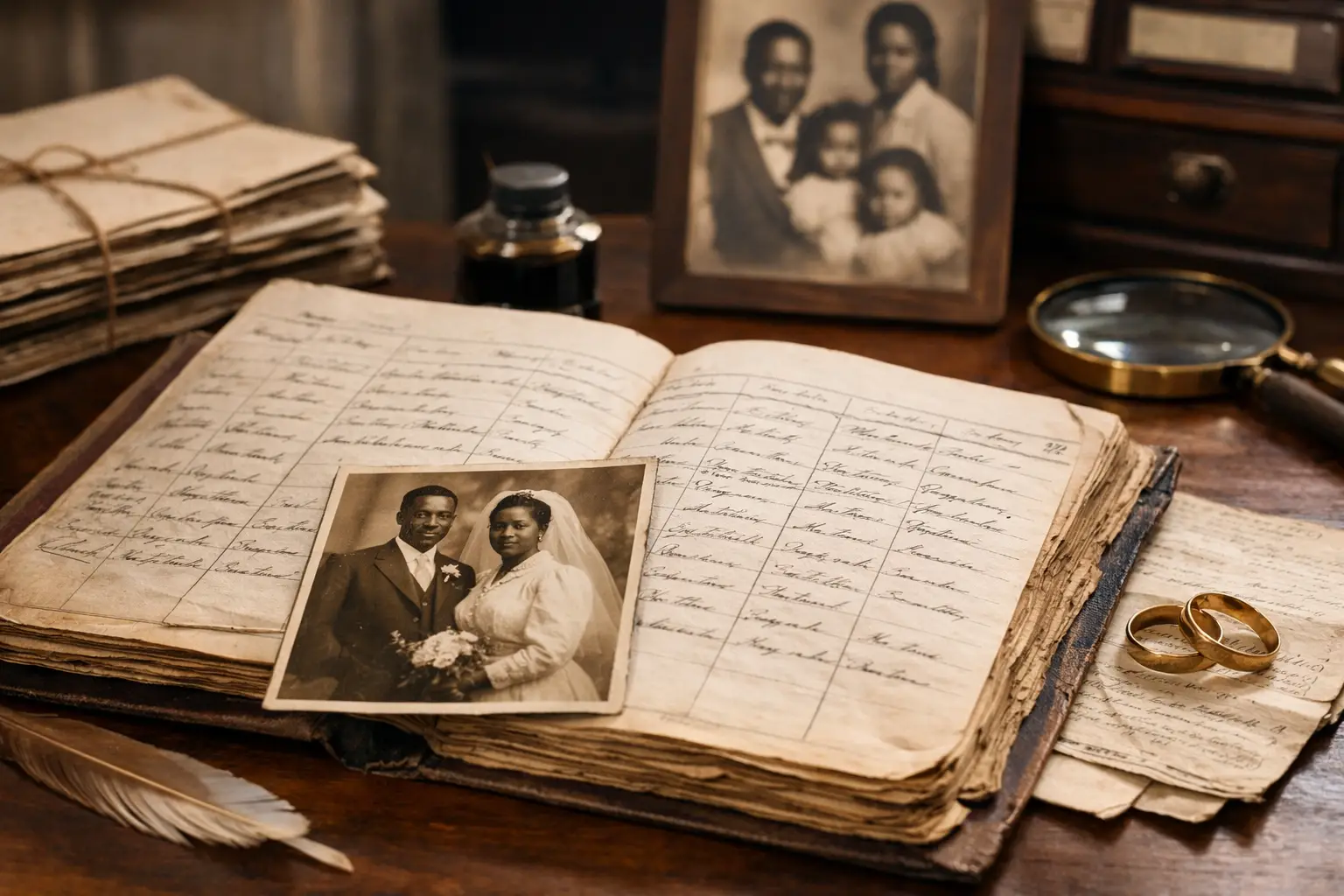
After emancipation, Southern states and local authorities recorded marriages that had existed during slavery but had not been legally recognized. These may appear as cohabitation registers, marriage registers, freedpeople’s marriages, or county marriage books.
A record may state how long a couple had lived together, where they lived, and the names or ages of children. That matters because it can establish a family unit before 1865. Search both the county where the couple lived in 1870 and nearby counties where they may have lived or married after liberation.
Southern Claims Commission files
The Southern Claims Commission reviewed claims from Southern residents who said they remained loyal to the United States and had property taken by Union forces. These records are not a universal source. Claimants had to meet strict eligibility rules, and many African American families never filed.
When a file exists, however, it can be extraordinary. Testimony may identify neighbors, landowners, wartime movements, property, and community relationships. Even a rejected claim can contain detailed sworn statements. Search for relatives, former enslavers, nearby White landowners, and associates from the same census neighborhood.
County court, deed, probate, and tax records
County records are where emancipation becomes local. Deeds can show land purchases and kinship networks. Tax lists can place an ancestor in a county before a census year. Court minutes may document labor disputes, apprenticeships, guardianships, criminal cases, or estate matters. Probate files can identify enslaved people by name in records created before 1865.
The key is not to search county books as if they were a name index. Start with the 1870 household. Identify the likely county, nearby landowners, employers, and family associates. Then target the probate and deed records connected to those people. This is slower than typing a surname into a broad search box, but it is often where the pre-1870 breakthrough happens.
Choose the Record That Fits Your Family’s Clue
There is no single best document for every family. If your ancestor was a Civil War veteran or the spouse of one, start with military and pension files. If you know a likely plantation, employer, or county, begin with Freedmen’s Bureau labor contracts and local court records. If your family had ties to a city with a Freedman’s Bank branch, bank registers may give you names across generations in one entry.
Location changes the strategy, too. A family in Virginia may leave a different paper trail than a family in Texas, Mississippi, or Kentucky. Emancipation unfolded unevenly, recordkeeping varied by county, and many records were lost or never created. That is why a smart search needs a next action, not a giant list of databases.
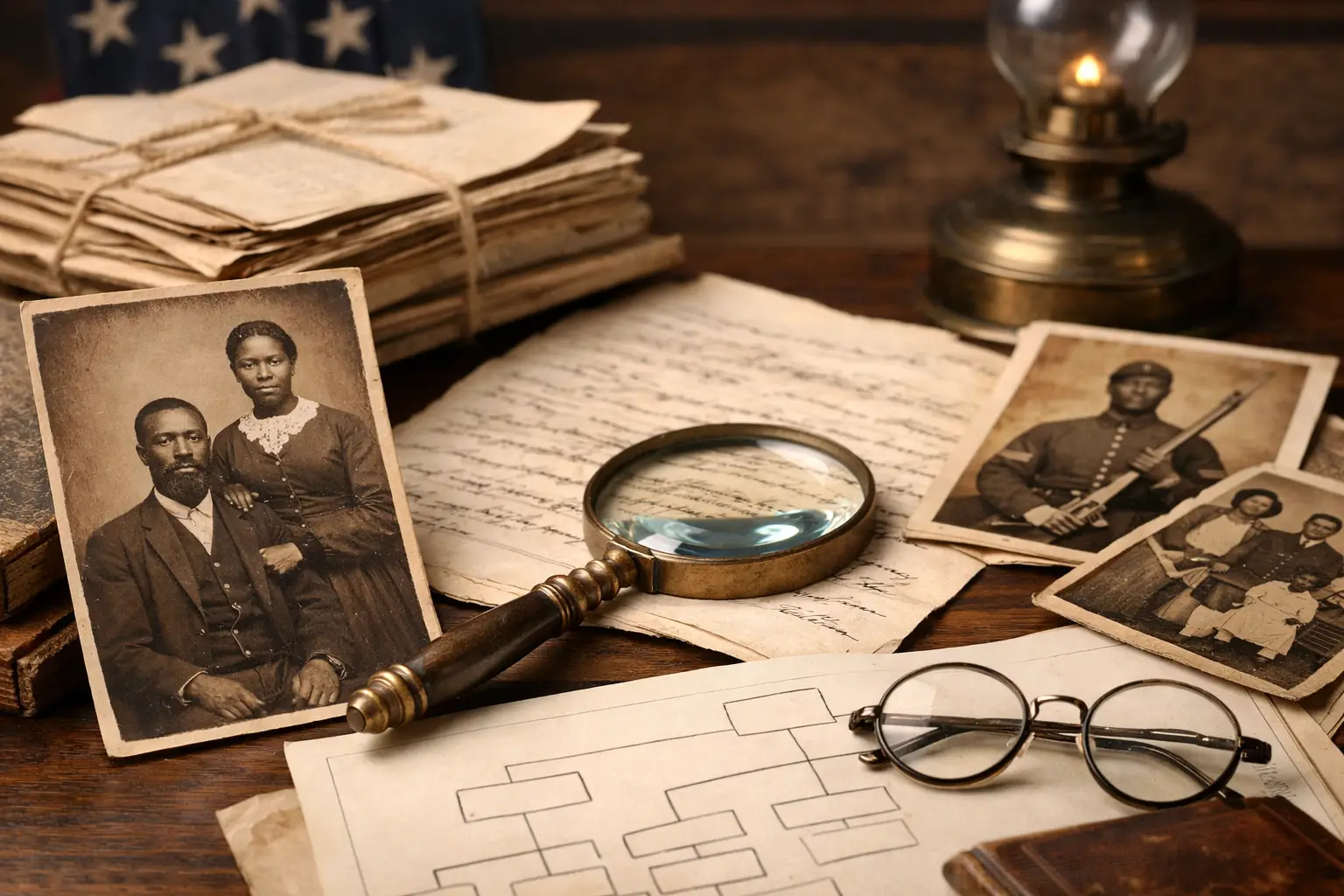
Build a simple evidence trail as you work: the ancestor’s 1870 county, every known spouse and child, neighbors, occupations, military service, and possible former enslavers. Keep exact spellings from each document, even when they conflict. The contradiction may reveal two different people, a migration, or a recorder’s mistake.
Turn One Record Into a Research Path
When you find a promising document, do not stop at the name. Ask what the record points to next. A labor contract points to an employer and a place. A pension affidavit points to witnesses. A bank record points to parents, siblings, and a former enslaver. A marriage register points to an earlier household and children born during slavery.
This is where guided research matters. The 1870 Project helps turn a census entry, a DNA match, or a family story into the next specific archive action - a likely county, the record group, and the federal record set worth checking. The goal is not more search results. It is the right lead, while the names and places are still in view.
Your ancestor did not begin in 1870. They had parents, work, faith, family ties, and a life that existed before the first census named them. Start with the post-Emancipation document that best fits their circumstances, follow every person it names, and let one hard-won record show you where to look next.