Freedmen's Bureau Labor Contracts Guide for Families
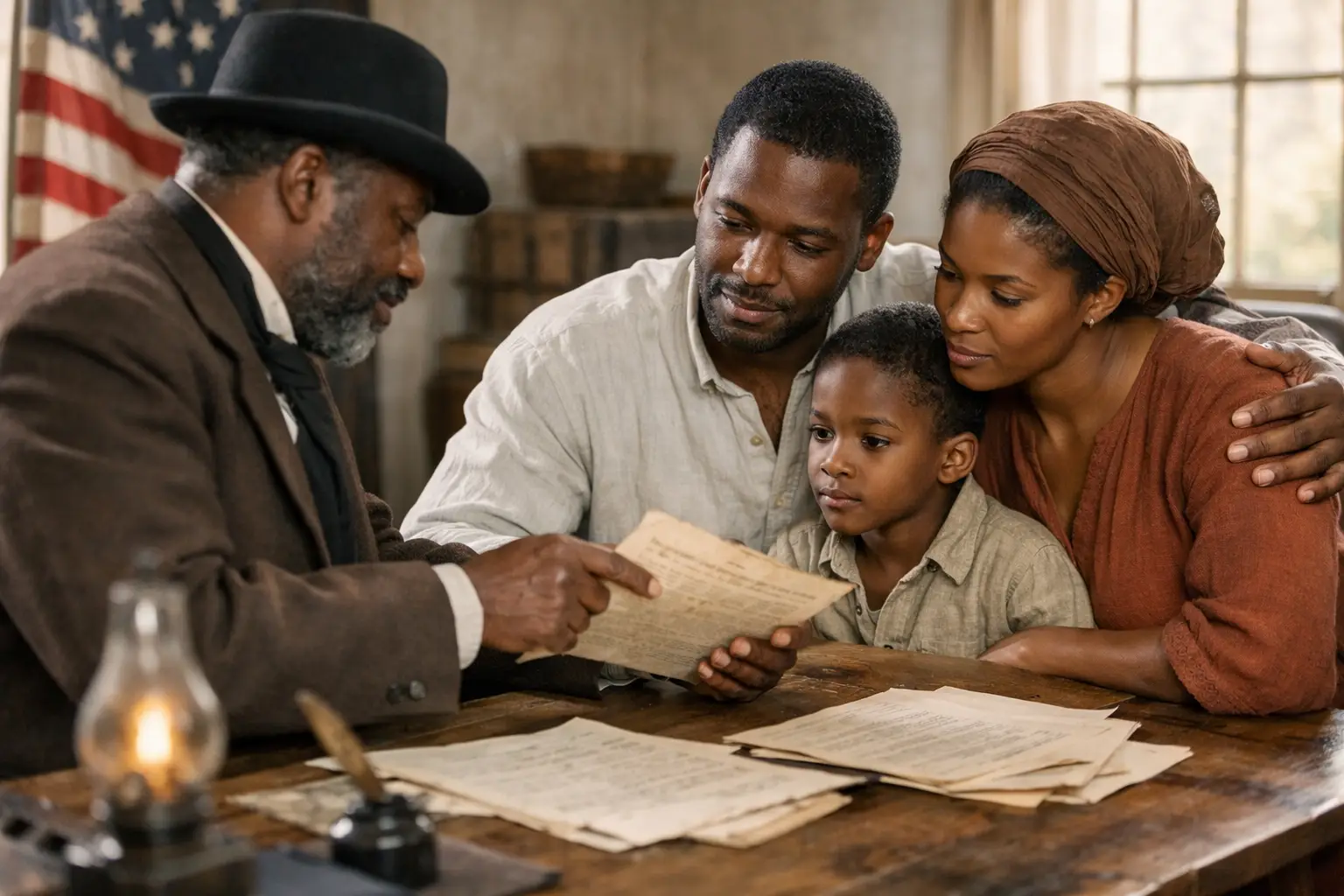
A labor contract can be the first document that names your ancestor as a worker, a parent, a spouse, or the head of a household after emancipation. This Freedmen's Bureau labor contracts guide shows you how to read those records for more than a name - and how to turn one fragile clue into a research path that reaches past the 1870 Census.
For many African American families, the record gap before 1870 is not a lack of history. It is a lack of records created under their own names. Freedmen's Bureau records can narrow that gap because Bureau agents documented the practical work of freedom: wages, housing, disputes, family separations, apprenticeships, and agreements with former enslavers.
What a Freedmen's Bureau labor contract can tell you
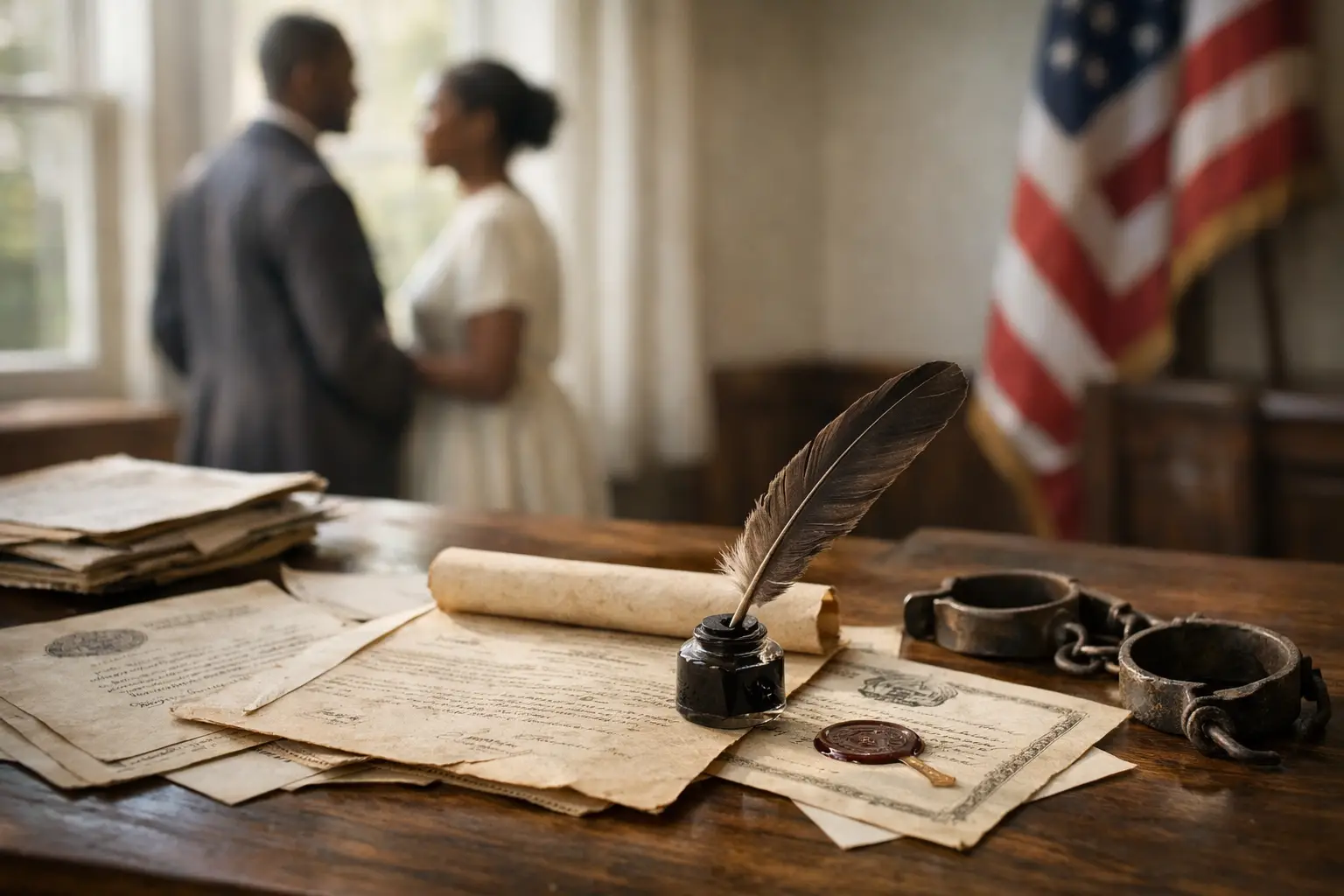
After the Civil War, the Bureau of Refugees, Freedmen, and Abandoned Lands helped oversee labor arrangements between freedpeople and landowners. In some places, agents witnessed, recorded, approved, or investigated contracts. A surviving contract may identify the employer, laborers, location, work period, payment terms, and conditions such as food, clothing, medical care, or a share of the crop.
That makes the document far more valuable than a payroll record. A contract can place a person in a specific county during a narrow window, often between 1865 and 1868. It can connect several adults working on the same farm. It may reveal the former plantation name, the landowner's surname, or a nearby post office. Each detail gives you a new way to search census records, marriage records, Freedmen's Bank files, probate records, military pension files, and county court records.
Read every line, including the margins and signatures. An ancestor may appear as “George,” “George Johnson,” or simply as one member of a group of laborers. A mark in place of a signature does not mean the person left no identity behind. It may be the only surviving document that puts them in a particular community just after slavery.
Where labor contracts appear in Bureau records
There is no single national volume labeled “all Freedmen's Bureau labor contracts.” Records were created through state offices, district offices, subdistrict offices, and local field offices. Filing practices differed widely. One office kept separate contract registers; another placed agreements in letters received, endorsements, reports, or complaint files.
Start with the state where your ancestor lived in 1870, then work backward to the county or nearest Bureau field office. If the 1870 household was in one county but the family later described a different birthplace, search both places. Families moved for work, reunification, safety, and land. The county named in a contract may be the place they lived immediately after emancipation, not necessarily where they had been enslaved.
The most productive record groups often include labor contracts and registers, letters sent and received, complaints, marriage records, rations records, hospital registers, and reports from field agents. A labor dispute may repeat details from an earlier contract, including an employer's name and the number of children in a household. When the contract itself is missing, the dispute can still prove the relationship and location.
Do not assume every freedperson signed an individual agreement. Many contracts covered groups: “the hands,” multiple named workers, or an entire family. Women and children may be listed separately, grouped under a man's name, or referred to only by first name. That is frustrating, but it is also a reason to search for neighbors, possible siblings, and the employer rather than searching one exact name alone.
How to search without losing the trail
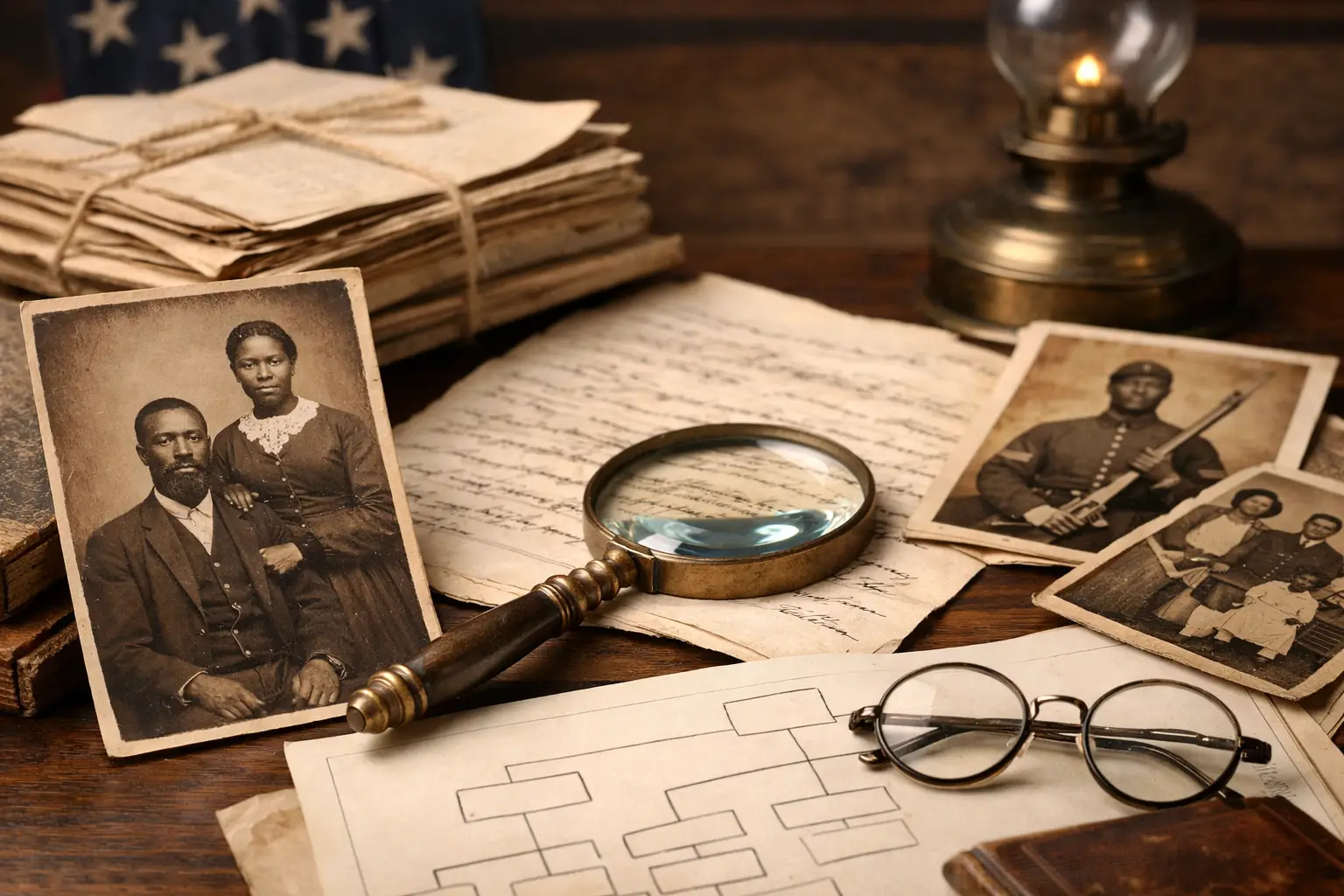
Begin with what you can prove. Pull the 1870 Census entry and write down the county, township or beat, nearby households, ages, occupations, and birthplaces. Then compare that household to the 1880 Census. Look for older adults with the same surname nearby, children who may have become separate households, and former neighbors who remained in the area.
Next, search Bureau records using flexible combinations. Try the ancestor's given name with the county, the employer's surname with terms such as “contract,” “labor,” or “freedmen,” and the names of neighbors from the 1870 Census. Search spelling variations and phonetic alternatives. Bureau clerks wrote what they heard, and names changed as people claimed, adapted, or were assigned surnames in the years after emancipation.
A good research note captures the original wording, not just your interpretation. Record the date, place, names exactly as written, employer, occupation, wages, payment schedule, witnesses, and every person named in the document. Also note what is absent. If a contract names a woman and three children but no husband, that absence may point to a separated family, a death, military service, or a man employed elsewhere.
Use a simple evidence chain:
- The 1870 Census identifies the family in a county.
- A Bureau contract places a similarly named laborer with an employer in that county in 1866.
- A later marriage, bank, pension, death, or probate record supplies the relationship that ties the evidence together.
- Neighboring households and repeated employer names strengthen the case.
No single clue should carry the whole conclusion. Names repeat, ages drift, and county borders or place names can change. The goal is not to force a match. It is to build a case that holds up when you compare multiple records.
Read the wages as family history
The payment language in a contract can tell you how a family survived the first years of freedom. Monthly wages suggest hired work. A crop-share agreement points to agricultural labor tied to a particular tract of land. Provisions for rations, housing, clothing, or medical care can show how dependent workers remained on a landowner. Penalties for leaving work, withheld wages, or restrictions on movement reveal the unequal power that often persisted after emancipation.
Those details matter because they explain why a family may appear in one place in 1870 and another in 1880. A contract expiring at year's end could lead to a move. A wage dispute could send a family to the Bureau office in a neighboring town. A crop-share arrangement may keep relatives clustered near the same plantation for years.
Be careful with language that sounds familiar but means something different in its historical setting. “Freedman” was often used broadly and may refer to a woman or family group. “Planter” may identify an employer, not an owner of the land itself. “Apprentice” can signal a formal arrangement involving a child, but it can also expose a painful attempt to control Black children's labor after emancipation. Read the document in full before drawing a conclusion.
When a contract names a former enslaver
This is often the breakthrough researchers hope for, and it requires care. An employer in 1866 may have been a former enslaver, but that is not automatic. The person could be a new landowner, an agent, a tenant, or someone hiring workers from another county. Treat the name as a powerful lead, not final proof.
Search the employer in the 1860 Census, agricultural schedules, probate records, deeds, tax records, and local court files. Look for estate divisions, wills, inventories, guardian records, and sales involving the county and surrounding counties. If the employer held land in multiple places, map those places against your family's later locations. The right target may be a parent, widow, executor, brother, or business partner rather than the person who appears on the labor contract.
Also study the other laborers. A group of people working together after emancipation may include relatives who were separated across households before 1865. Repeated given names, shared surnames, matching ages, and later proximity can help you reconstruct a family network that no single census page shows.
Turn one record into the next best action
The fastest research is not the search with the most results. It is the search that answers the next question. If a contract gives you a county, find the correct Bureau office and its surviving series. If it gives you an employer, test that name in 1860-era property and probate records. If it names children, search Bureau marriage, apprenticeship, school, and rations records for the same family.
This is where broad record lists fail researchers. You do not need fifty vague hints. You need a precise path: the right county, the right office, the right record type, and the next document most likely to name your people. The 1870 Project is built around that kind of momentum, helping turn a known ancestor, DNA match, or family story into a focused archival direction.
Your ancestor's labor contract was not merely an agreement about work. It was a record of a person building a life under impossible pressure, often while trying to keep a family together. Follow the names around that page. They may lead you to the people your family has been trying to find for generations.