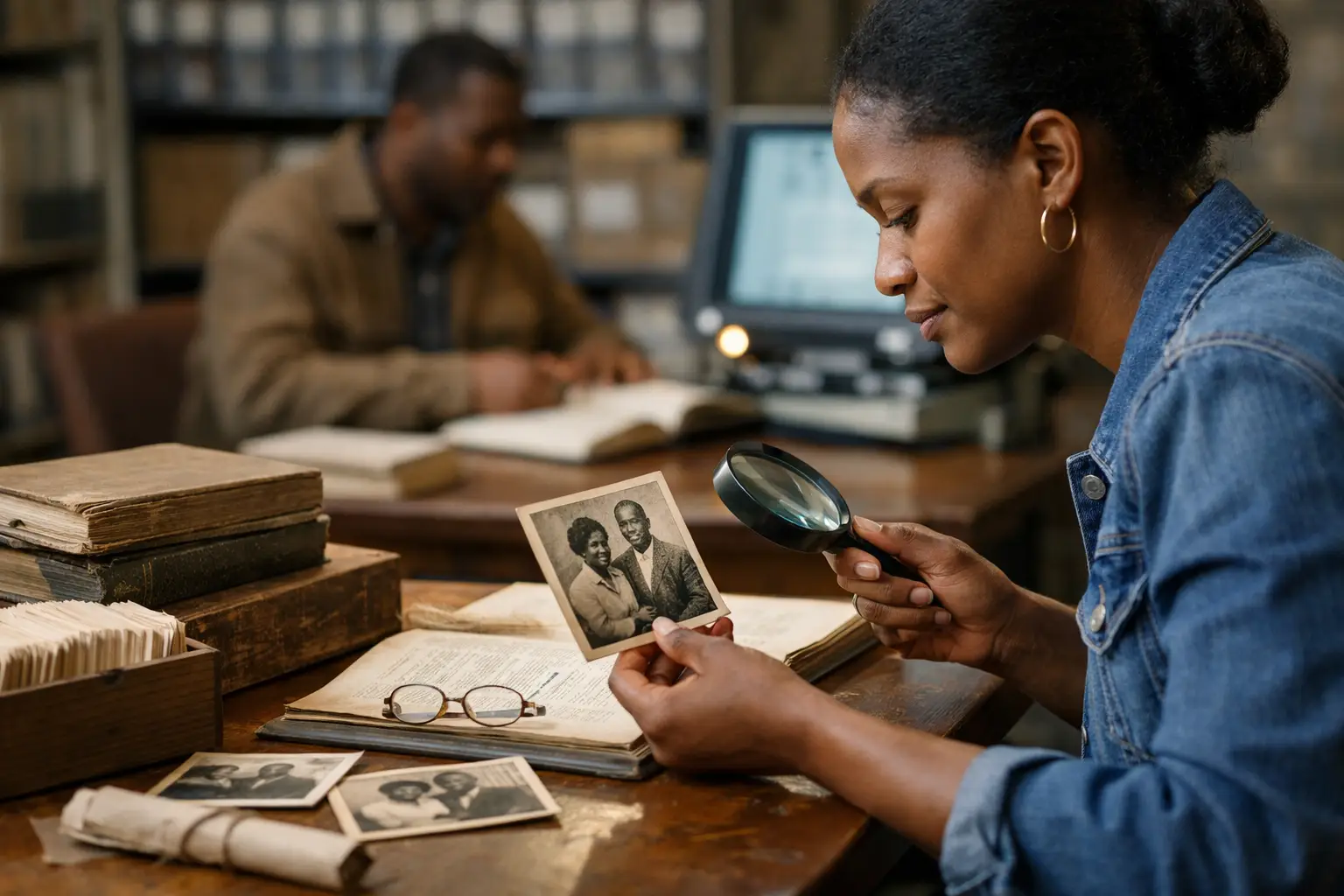
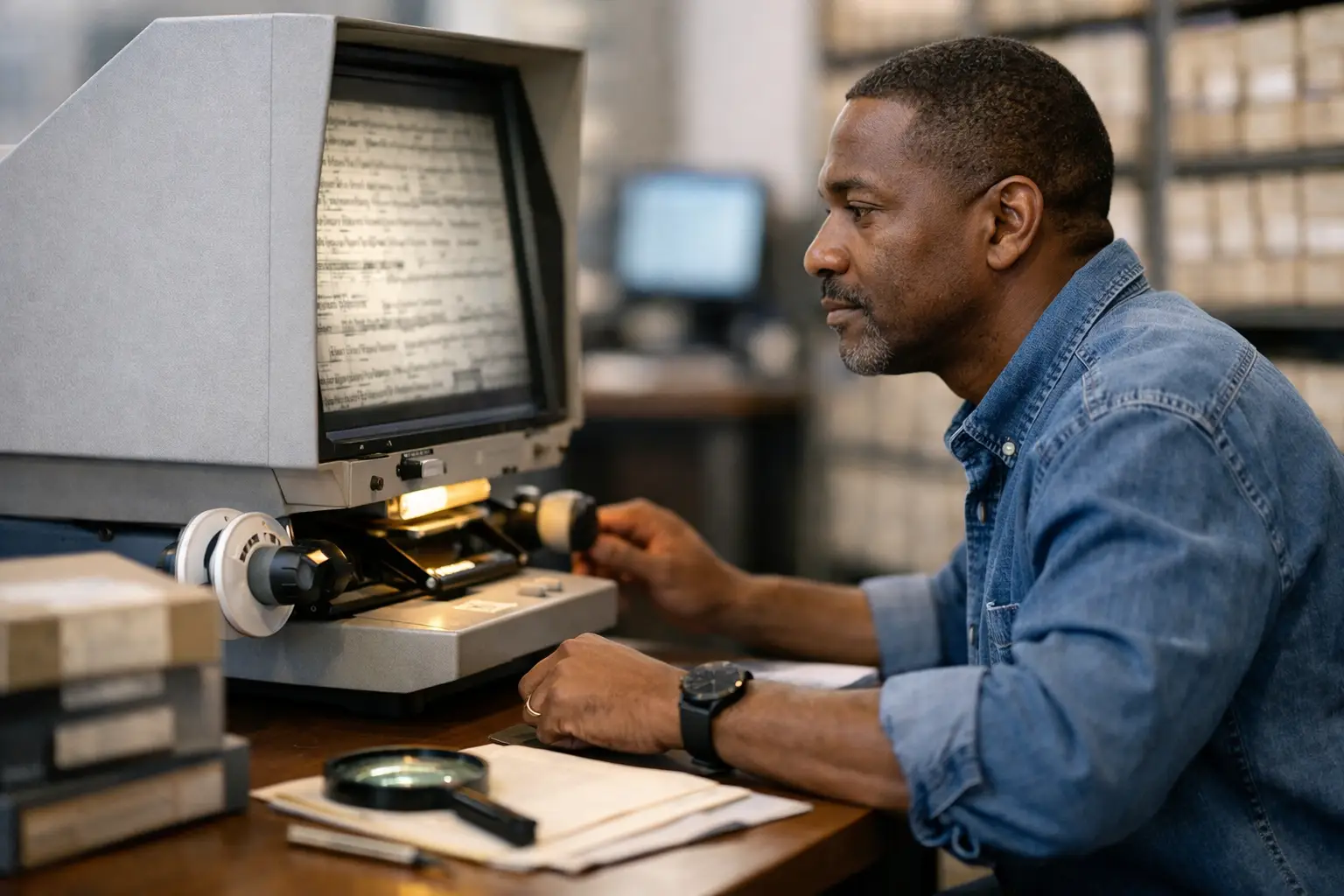
10 Best Records for Black Ancestry
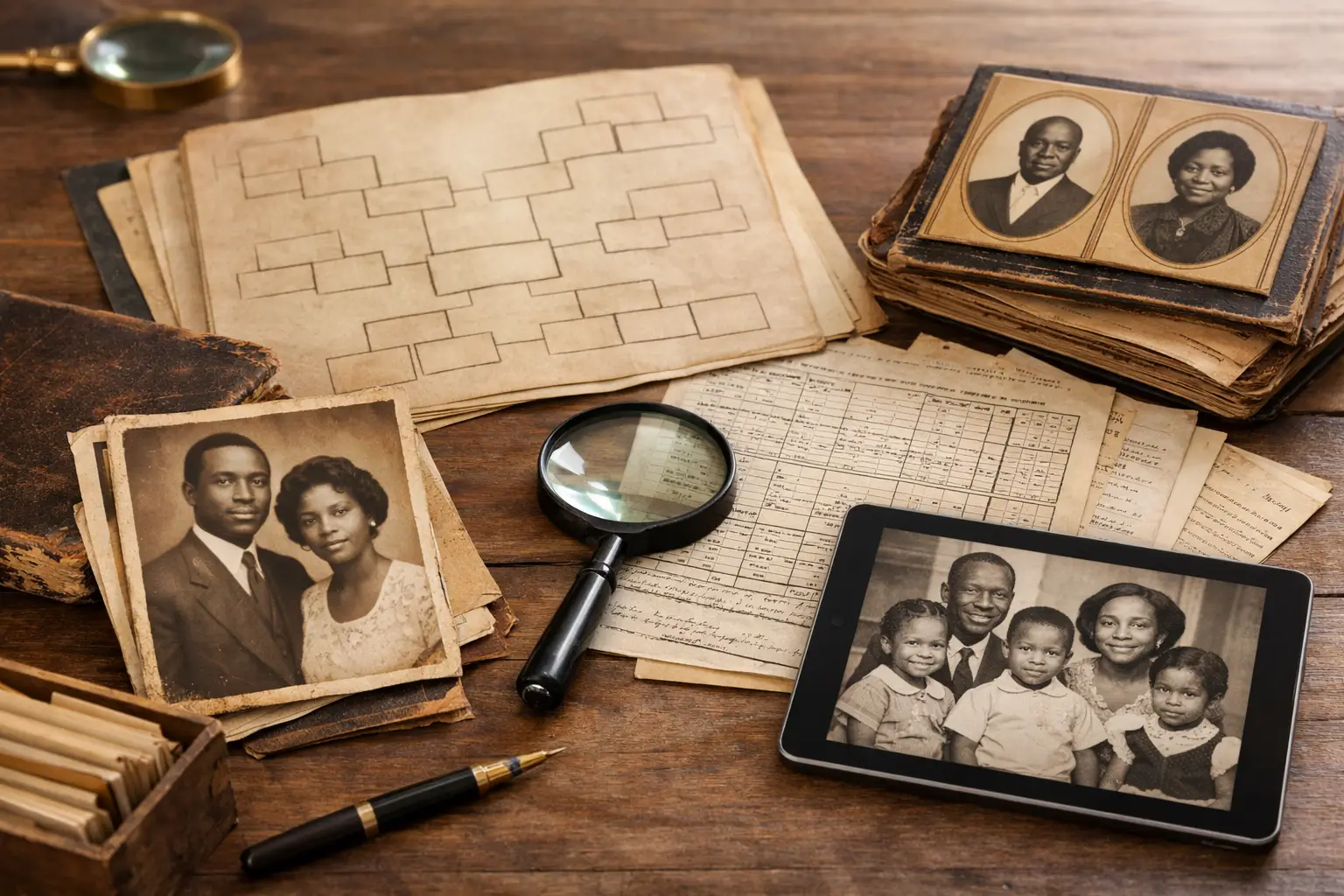
If your family history seems to appear out of nowhere in 1870, that is not a research failure. It is the result of slavery, record loss, name changes, and a system built to document property more carefully than people. The best records for black ancestry are the ones that reconnect families across that rupture - especially the records created right after emancipation, when millions of formerly enslaved people first began appearing in their own names.
The mistake many researchers make is starting too wide. They search a surname in every database they can find, collect dozens of shaky hints, and end up with a tree full of maybes. A better approach is narrower and smarter. Start with the records most likely to place your ancestor in a specific county, household, labor contract, church, or probate file. That is where momentum comes from.
Why the best records for black ancestry are different
African American genealogy has some of the same building blocks as any other US family history project - census records, vital records, military files, land, probate, newspapers. But the order matters more. For many Black families, the key problem is not just finding a name. It is proving identity across the years around emancipation, when formerly enslaved people may have changed surnames, stayed near a former enslaver, moved for safety or work, or appeared in federal records for the first time.
That is why the strongest records are not always the most famous ones. A marriage register from 1866 may tell you more than a later death certificate. A labor contract may place an entire family group together. A probate file for a white enslaver may name people who were never counted by name in earlier census schedules. Good research here is not about collecting records. It is about building a chain of evidence.
The 10 best records for black ancestry
1. The 1870 Census
For many African American families, this is the first federal census in which formerly enslaved people were consistently listed by name. That makes it the anchor record.
A strong 1870 Census entry gives you more than a name. It gives you a county, approximate ages, occupations, household structure, nearby families, real estate values, and possible migration clues. Pay close attention to neighbors. People who lived next door in 1870 were often relatives, former enslavers, in-laws, or members of the same migration chain.
2. The 1880 Census
If 1870 is the anchor, 1880 is the validator. It often helps confirm who stayed in place, who remarried, which children belonged to which couple, and where each person said they were born.
This matters because age and birthplace can shift from census to census. When the same family appears in 1870 and 1880 in the same county or township, your confidence rises fast. If they moved, the move itself becomes a lead.
3. Freedmen's Bureau records
These are among the best records for black ancestry because they were created specifically during the transition from slavery to freedom. They can include labor contracts, marriage records, rations, school records, hospital registers, complaints, transportation requests, and letters.
Not every ancestor will appear in these records, and coverage varies by place. Still, when you find a match, the detail can be extraordinary. A labor contract might name an employer, spouse, children, plantation, and terms of work all in one document.
4. Freedman's Bank records
These records are famous for a reason. Deposit applications can name parents, spouses, children, siblings, former enslavers, military service, and birthplace.
The trade-off is that not everyone used the bank, and some entries contain mistakes given orally to bank staff. Treat them as powerful clues that need confirmation, not standalone proof. Even so, a single bank record can break open three generations at once.
5. Marriage records from 1865 forward
After emancipation, many couples legalized long-standing relationships. That means postwar marriage records can capture unions that began years earlier during slavery.
Look for county marriage books, cohabitation registers, and local licenses. In some states, officials recorded how long the couple had lived together or noted prior informal unions. Those small details can help separate two men with the same name and point to children born before legal marriage was possible.
6. US Colored Troops service and pension files
If an ancestor, father, uncle, or possible relative served in the USCT, do not stop at the service record. Go after the pension file when available.
Pension files often contain affidavits, marriage testimony, children's names, places of residence, and statements from neighbors or former associates. They read like case files because they are. For Black genealogy, that kind of sworn testimony can be more revealing than a simple military index ever will be.
7. Probate records of enslavers
This is the hard part of the work, but often the decisive one. Wills, estate inventories, estate sales, divisions of property, guardianships, and probate settlements can name enslaved people individually or in family groupings.
These records are emotionally difficult because they document people as property. They are also among the clearest pathways before 1870. If your ancestor lived near a white family in 1870 with a matching surname, or appears on the same land where that family lived before the war, probate records can help test that lead.
8. Deeds and land records
Land records are not only for wealthy landowners. They can reveal where a family lived, when they first acquired property, who sold to them, and which relatives witnessed the transaction.
For Black ancestry research, deeds can also expose earlier connections through plantation land, tenant arrangements, or transactions involving former enslavers and freedpeople. A deed book may place your ancestor in a precise location years before a vital record does.
9. Church records
Churches documented lives that civil government ignored or recorded poorly. Baptisms, marriages, memberships, funeral notes, disciplinary actions, and minutes can all matter.
Black church records are especially valuable because churches were often the center of family and community life after emancipation. If a denomination kept annual conference records or membership transfers, those movements can mirror migration patterns. When county records fail, churches sometimes carry the story forward.
10. Death certificates and obituaries
These are late records, but they often point backward. A death certificate may name parents, birthplace, spouse, and burial place. An obituary may list surviving children, siblings, church ties, military service, and migration history.
The catch is informant accuracy. A grieving child or in-law may guess at parental names or birthplaces. Use these records as directional tools. They are often how you confirm that the man in 1918 is the same child found in a household in 1880.
What to search first when you're stuck
If you are facing the 1870 brick wall, resist the urge to search everything at once. Start with the last proven fact. Build forward and backward from there.
If you have an ancestor in 1900, pin down that person in 1880 and 1870 before chasing earlier generations. If you already have them in 1870, study the county, neighbors, and white households nearby with matching surnames. Then move into Freedmen's Bureau records, marriage records, probate, and land.
This is where precision matters. A county matters more than a broad state search. A likely former enslaver matters more than a random surname match three counties away. At The 1870 Project, that is the difference in approach - not a bigger pile of records, but the next best record and the next best archive action.
Common mistakes people make with the best records for black ancestry
The biggest mistake is trusting a surname too early. Many freedpeople kept the surname of a former enslaver, but many did not. Some chose a different name entirely. Others shifted between surnames across records.
Another mistake is ignoring women because their names changed in marriage or appear less consistently in civil records. In Black genealogy, women are often the key to family reconstruction through marriage records, cohabitation registers, church records, and pension testimony.
The third mistake is treating indexes as the full record. Indexes miss spellings, initials, and context. The image matters. Neighbors matter. Witnesses matter. The note in the margin matters.
How to turn records into proof
One record rarely solves African American genealogy on its own. The work is cumulative.
A good proof path might look like this: a death certificate points to parents' names, the 1880 Census places the family in one county, the 1870 Census shows a nearby white household with the same surname, a Freedmen's Bureau labor contract places the same Black family on land tied to that household, and a probate division from 1860 names enslaved individuals with matching given names and ages. No single piece is enough. Together, they tell a believable, document-based family story.
That is the standard worth aiming for. Not a lucky hint. Not a guess copied from someone else's tree. A chain of records strong enough to carry your family across the gap.
Your family was here, in the records that counted them too little and in the records that preserved just enough. Start with the right ones, stay anchored to place, and follow every name until it becomes a person again.