Freedman Bank Records Search Made Useful
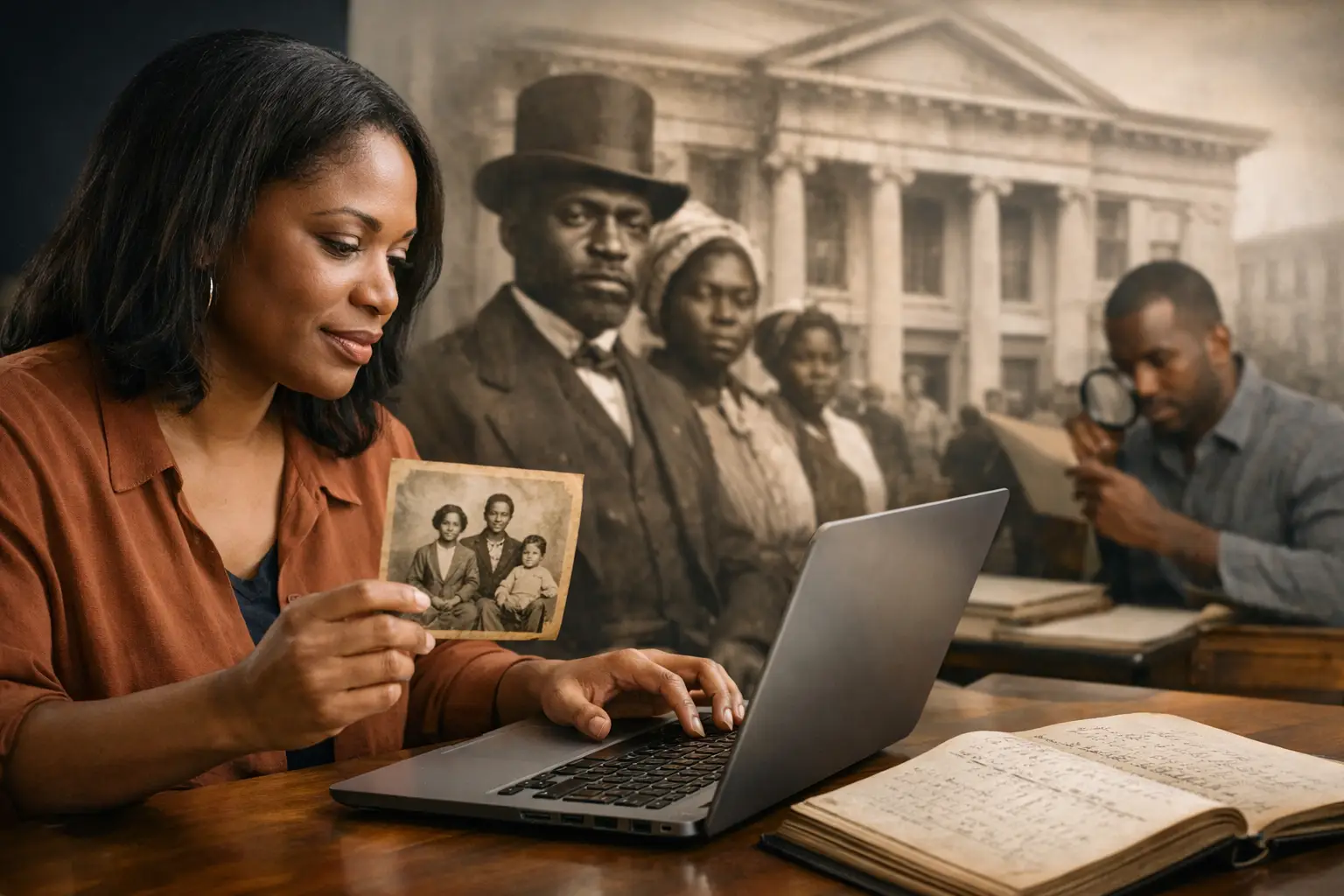
A good freedman bank records search can change the direction of your family research in one sitting. Not because every record is perfect, and not because every ancestor appears there, but because these accounts often hold the kind of personal detail missing from other post-Civil War records - parents' names, siblings, spouses, birthplaces, military service, and sometimes even the name of a former enslaver. If you are stuck at the 1870 line, this is one of the few sources that can push you backward with real evidence.
Why a Freedman Bank records search matters
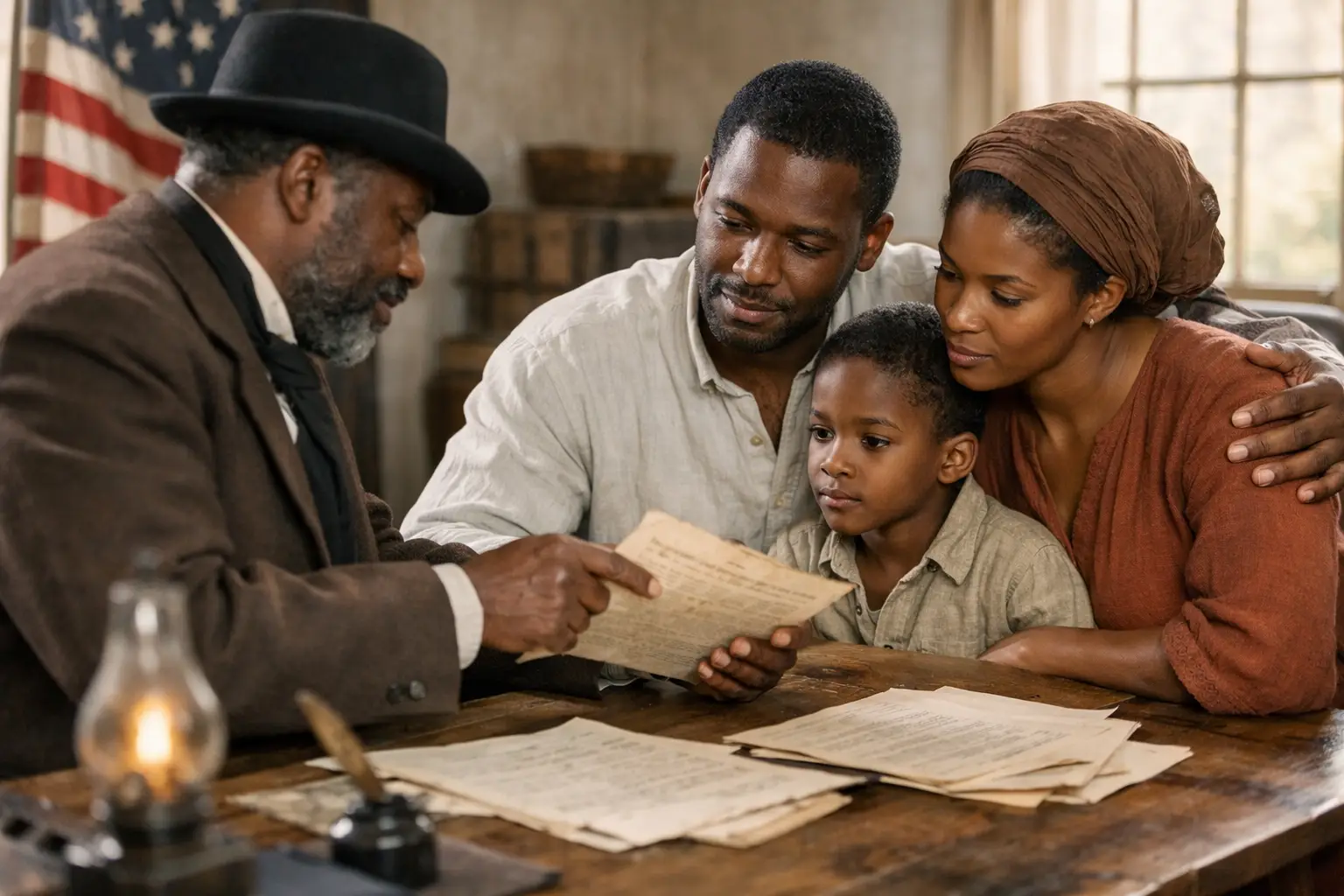
The Freedman's Savings and Trust Company, often called the Freedmen's Bank, operated after the Civil War and served many newly emancipated Black depositors. When people opened accounts, bank clerks often captured more than basic financial information. That is what makes these records so valuable now.
A census can tell you where someone lived in 1870. A bank entry might tell you where they were born, who their mother was, which regiment they served in, or which relatives were already in the same city. That difference matters. For many African American families, the problem is not finding records in general. The problem is finding records that connect one generation to the next with enough specificity to trust the trail.
That said, expectations matter. Not every depositor was formerly enslaved. Not every branch recorded the same level of detail. Spelling varies, ages drift, and some entries are sparse. A bank record is rarely the final answer. It is often the best lead.
What you may find in Freedman Bank records
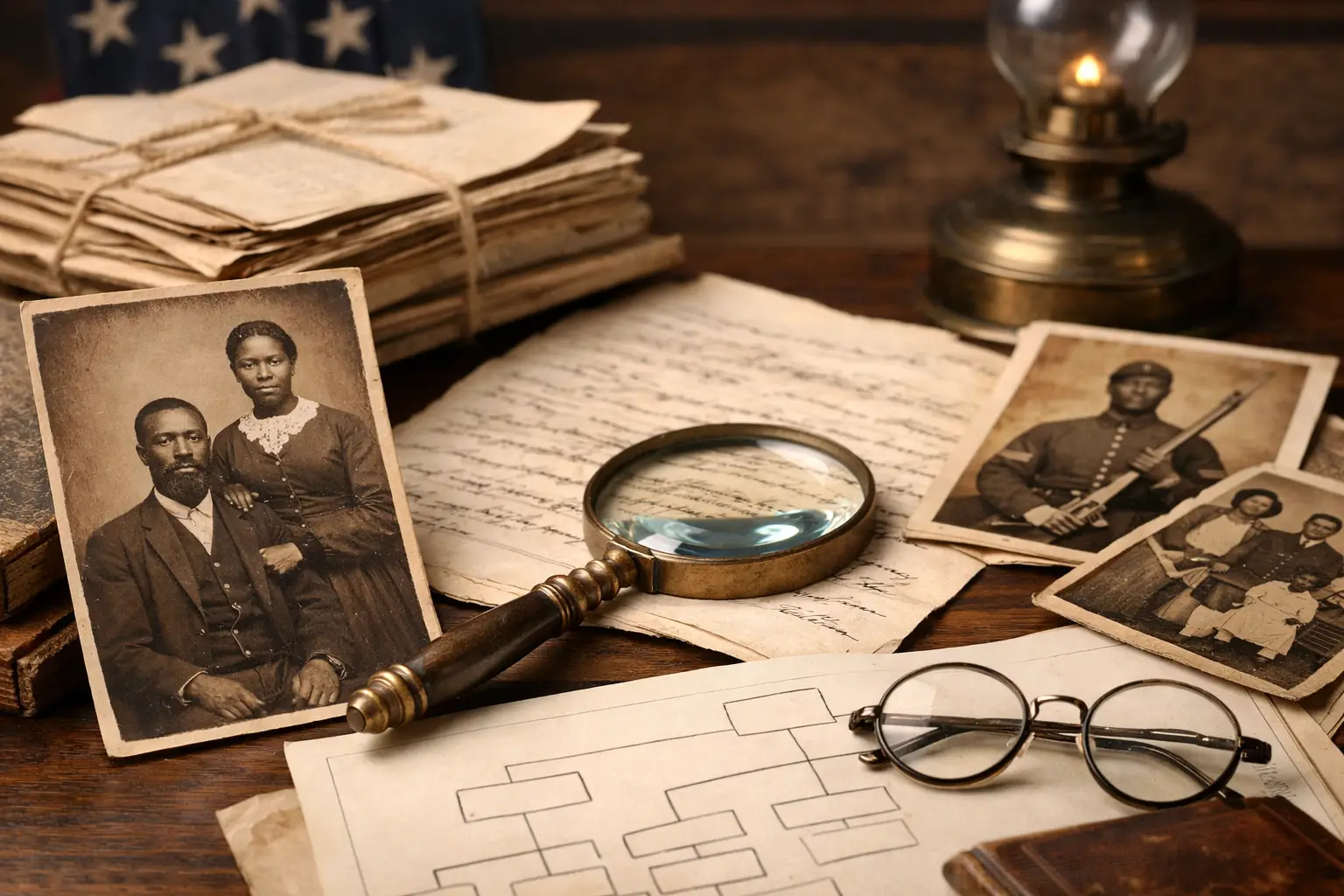
A strong record can read almost like a compressed family interview. Depending on the branch and year, you may see the depositor's age, residence, occupation, birthplace, employer, spouse, children, parents, brothers, sisters, military unit, and signature. Some records note complexion, current residence, or names of trusted relatives. In certain cases, they also name a former enslaver or plantation association.
That range is why this collection deserves more than a quick name lookup. If you search only for the person you want and stop there, you may miss the relatives whose entries explain the whole family network. Genealogy moves faster when you stop chasing one name and start mapping a cluster.
How to do a Freedman Bank records search that actually helps
Start with the person you believe was alive and old enough to bank between the mid-1860s and the 1870s. Use broad search terms first. Names in these records are often indexed with spelling differences, clipped initials, or clerk errors. If you search only the exact modern spelling, you can miss the right person by one letter.
Then narrow by branch location. This is where many researchers either gain momentum or lose it. The branch where a person opened an account was not always their birthplace, but it usually reflects where they were living, working, serving, or reuniting with family after the war. If your ancestor appears in 1870 in Richmond, Savannah, New Orleans, Nashville, or another city with a branch, that is a strong starting point.
Next, search sideways. Look for people with the same surname, then people with the same first names listed as relatives, then neighbors and possible in-laws. A widow may appear under one surname while her son appears under another spelling. A brother's account may include the parents' names when your direct ancestor's account does not. This is where patience pays off.
Reading the record, not just the index
Indexes help you get in the door. The actual record is where the value lives.
If you find a promising entry, read every field and every name. Do not stop at the depositor. Write down parents, spouses, children, siblings, witnesses, employers, military references, and branch location exactly as shown. Keep the original spelling alongside your modern interpretation.
This matters because the next records you search may depend on one unusual clue. A listed birthplace can point you to the right county. A military regiment can lead you to service and pension material. A parent's given name can separate your family from three other households with the same surname in the 1870 census. One line in a bank register can save weeks of bad searching.
Best next steps after a Freedman Bank records search
A bank record is strongest when you treat it like a launch point. If an entry gives a town or county of birth, go next to the 1870 census for that place and surrounding counties. If it lists a military unit, follow that into US Colored Troops service records, pension files, and postwar claims material. If it names parents or siblings, build out the whole family in 1870 and 1880 before trying to push earlier.
When a former enslaver is named, slow down and work carefully. The name may be the key, but it is not proof by itself. You still need to test whether the family, location, ages, and postwar movement line up. Plantation papers, probate records, labor contracts, Freedmen's Bureau material, and county court records can help confirm the connection.
This is also the point where DNA can become more useful, not less. If your documentary trail suggests a county, a cluster of surnames, or a likely enslaver family, DNA matches from that same place can help confirm whether you are on the right track. Good genealogy is rarely one source winning the case alone. It is several imperfect sources pointing in the same direction.
Common mistakes in Freedman Bank records search
The biggest mistake is treating no result as a dead end. Many people who should be in these records are hidden by spelling variation, branch mismatch, nickname use, or weak indexing. Search by first name only in a likely branch. Search relatives. Search women under possible maiden and married surnames. Search men with and without middle initials.
Another mistake is assuming every same-name result belongs to your family. This collection includes common names, repeated surnames, and mobile populations. A strong match usually has at least two or three points that fit together - place, age, relatives, occupation, regiment, or family structure.
A third mistake is failing to capture the whole entry. Researchers often copy the name and move on. Later, they realize the record named a parent, an in-law, or a birthplace they never wrote down. Slow is fast here.
When the record is thin or missing
Sometimes you find the entry and it tells you almost nothing. Sometimes you find nothing at all. That does not mean the search failed.
A thin record can still place a person in a branch city at a specific time. That can support a migration path, military return route, or family reunion pattern. A missing result can also be informative. Your ancestor may have used another surname, lived far from a branch, never opened an account, or appeared in a related postwar record set instead.
This is where guided research beats endless browsing. The question is not just, Did I find them in the bank? The better question is, What should I search next based on where this trail points? At The 1870 Project, that is the work: turning scattered clues into the next best archive, county, and record path instead of handing you another pile of names.
The real value of this search
A freedman bank records search is not valuable because it is famous. It is valuable because it can restore family structure where slavery and record loss tried to erase it. It can put mothers next to children, brothers next to sisters, soldiers next to home counties, and postwar names next to prewar identities.
That kind of evidence changes more than a tree. It changes what a family can say out loud with confidence.
If you are staring at the 1870 wall, do not ask whether this record set is perfect. It is not. Ask whether it can give you one solid, testable clue that moves your family one generation further back. For many families, that is exactly what it does.