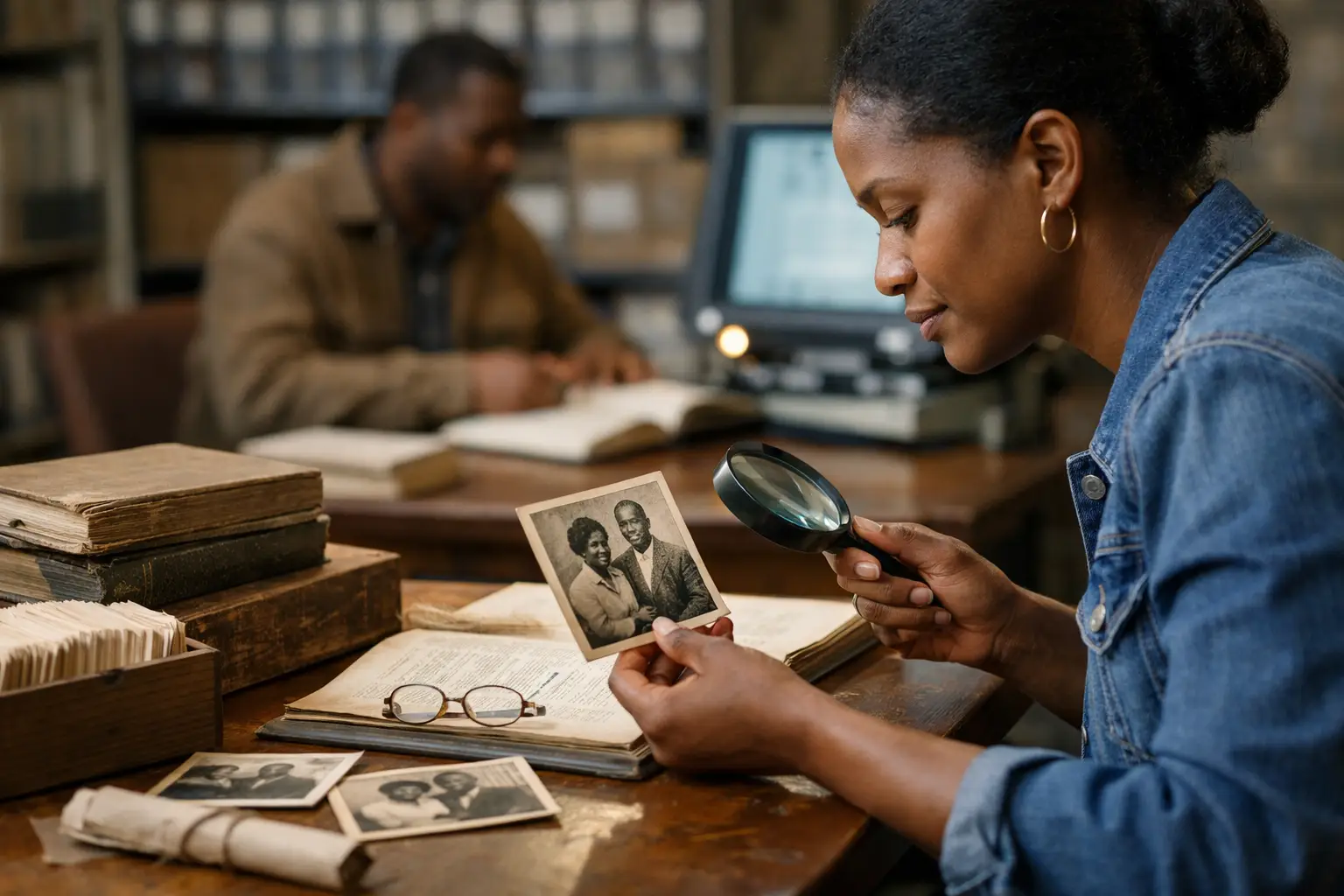
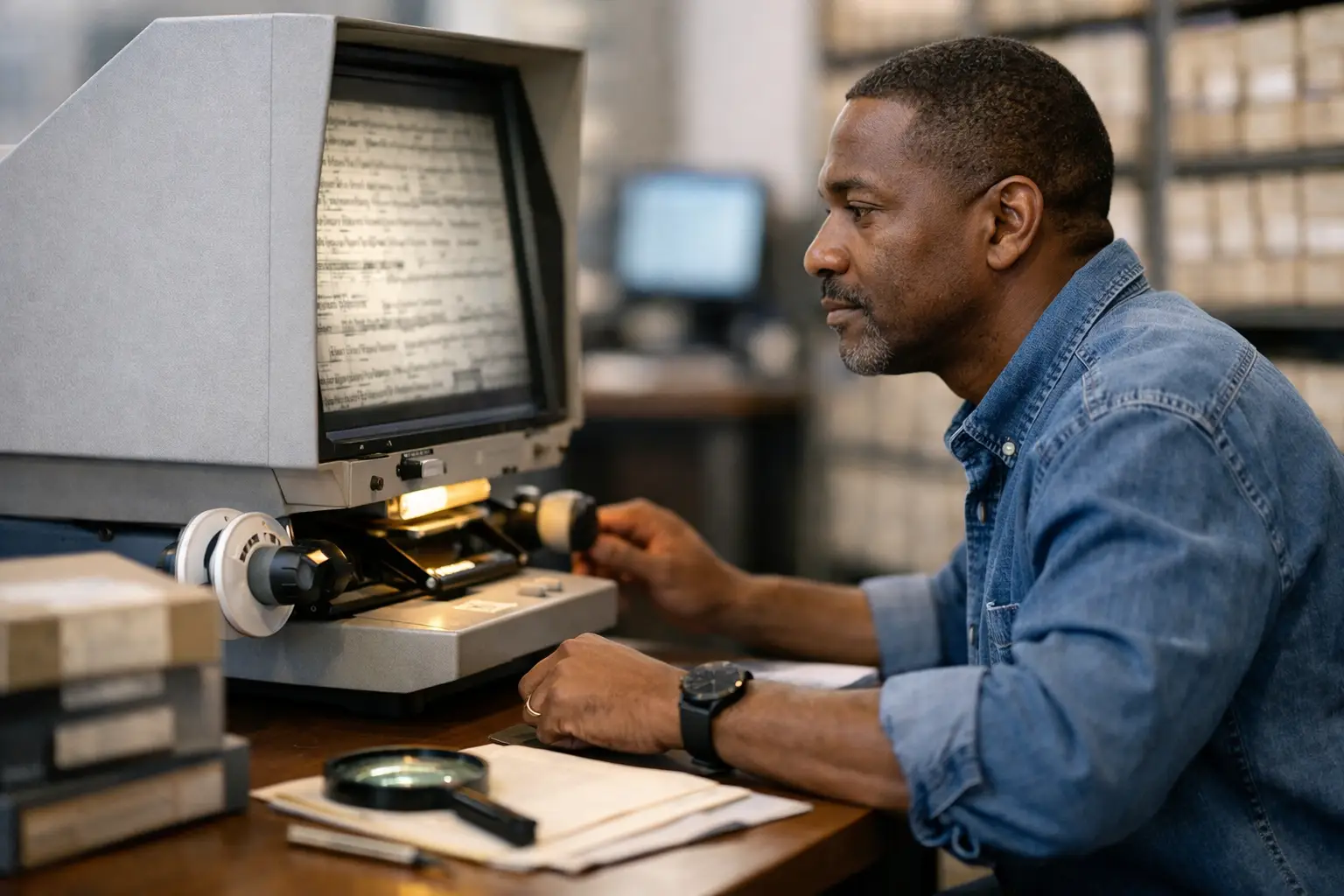
Best Records Linking Freed People
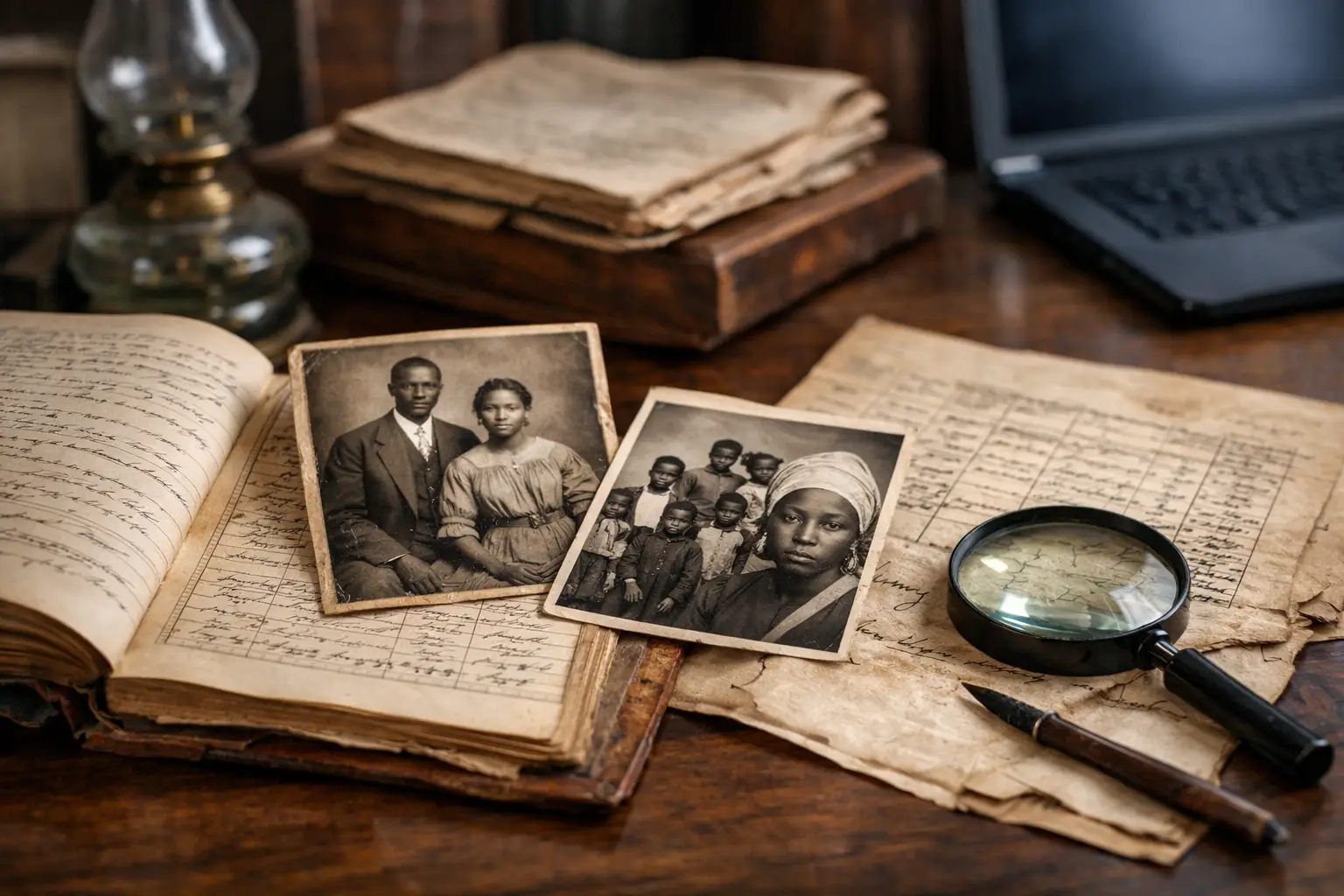
A surname appears in 1870. Before that, the trail goes quiet. That is the point where many families hit the wall - and where records linking freed people become the difference between guessing and finding someone real.
For African American genealogy, the question is rarely whether records exist. The question is whether you know which record set can bridge freedom to slavery, county to county, and one name to another. The right records do not just confirm a person lived somewhere. They connect identity across a legal and social system built to obscure it.
Why records linking freed people matter so much
The first post-Emancipation census gave many formerly enslaved people their first consistent appearance by name in federal records. That was a breakthrough, but not a complete answer. A person listed in 1870 often appears without an obvious path to prewar records, especially if their surname changed, they moved after the war, or the family split across plantations and counties.
That is why linkage records matter. They can tie a freed person to an earlier enslaver, labor contract, marriage, military service, bank account, court case, or child apprenticeship. Each clue narrows location, associates, and timing. In genealogy, those three things - place, people, and date - are what move research forward.
Some records give direct evidence. Others give indirect evidence that becomes strong when combined. A Freedmen's Bank entry naming parents and siblings may do more than a census page. A labor contract naming an employer may point toward probate records. A USCT pension file may reconstruct a whole family network. It depends on what survived in that county and how your ancestor moved through the postwar South.
The strongest records linking freed people to earlier lives
If you are stuck at 1870, start with records created closest to emancipation. They often capture the transition from slavery to freedom while memories, employers, and family relationships were still recent.
Freedmen's Bureau records
This is one of the first places to look, but it helps to be specific. The Bureau created marriage registers, labor contracts, rations lists, hospital records, school records, complaints, transportation orders, and letters. Not every field office kept every type of record, and coverage varies by state and county.
Marriage records are especially valuable because they often formalized long-standing unions that had been denied legal recognition under slavery. A couple may appear with children, former owners, or plantation references. Labor contracts can connect a freed person to a landowner in 1865 or 1866, which can then lead you into tax lists, deeds, probate, or plantation papers.
Complaints and labor disputes are easy to overlook, but they can be unusually rich. People named relatives, former enslavers, neighbors, and work locations when defending wages, custody, or personal safety. That kind of context is hard to find elsewhere.
Freedmen's Bank records
Bank records are famous for a reason. When depositors opened accounts, clerks often recorded age, birthplace, residence, occupation, complexion, spouse, children, parents, siblings, and military service. Sometimes they even noted the plantation or former enslaver.
Not every account is detailed, and some information was provided years after emancipation, so memory and spelling can shift. Still, these entries can link generations in a single document. For families separated by sale or war, that can be a major break in the case.
US Colored Troops and pension files
If a man served in the USCT, do not stop at the service record. Pension files are often far more revealing. Widows, children, neighbors, and former owners could all appear in testimony about age, marriage, residence, disability, and kinship.
These files often solve problems the census cannot. A widow trying to prove a marriage might name where the couple lived before freedom. Witnesses might identify the plantation community. A mother applying on behalf of a deceased soldier might reveal another surname or county origin.
County probate and estate records
This is where many researchers hesitate, but county records are often where the breakthrough happens. Probate packets, wills, inventories, estate sales, divisions of property, and guardianship papers may list enslaved people by given name, age, family grouping, or value. If you already have a likely enslaver family from Bureau or bank records, county probate can test that lead.
This is rarely simple. A surname match alone is weak evidence. But if the county fits, the age fits, the associates fit, and a Bureau labor contract places your ancestor with that family right after the war, the picture sharpens quickly.
Cohabitation and marriage records
Several Southern states created special registers for formerly enslaved couples after the war. These are different from standard county marriage books and are easy to miss. They may include how long the couple had lived together, names of children, and prior plantations or owners.
That makes them powerful records linking freed people to family structure before 1870. Even when a precise enslaver is not named, the register can establish a couple's existence years earlier than the census and place them in a specific county at the right time.
Apprenticeship, court, and labor records for children
After emancipation, local courts often apprenticed Black children, sometimes over family objections. These records are painful to read, but they can identify parents, ages, former owners, and local white households connected to the family.
Court minutes, bastardy cases, criminal complaints, and labor disputes can also preserve names that never made it into more familiar genealogical sources. If an adult disappears between 1867 and 1870, local court records may explain why.
How to use records linking freed people without chasing the wrong person
The biggest mistake is searching for one document that answers everything. Most successful cases are built from a cluster of small records that agree with each other.
Start with the person you can prove in 1870 and build a tight profile. Track age range, spouse, children, neighbors, occupation, county, and possible migration pattern. Then ask a narrower question: what record set in that county, between 1865 and 1870, would most likely name this person with relatives or an employer?
That usually gives you a better path than searching broad national databases by surname alone. Surnames after emancipation were not always stable. Given names could change too. A man listed as Isaac in 1870 might appear as Ike, Isom, or simply by a different surname in an earlier postwar record.
Cluster research matters here. Study the neighbors in 1870. Look at Black households nearby and the white households close by. Families often migrated together, worked on the same land, or kept ties to the same former slaveholding family. One account in the Freedmen's Bank or one USCT file from a neighbor can reveal the county or plantation pattern for several related families.
DNA can help, but only when tied to paper records. A promising match without location is just a hint. A cluster of matches pointing to one county, paired with a labor contract and a probate packet from that county, is evidence you can work with. That is the difference between more names and an actual research direction.
What to do when the records are thin
Some counties lost records to war, fire, or neglect. Some ancestors moved quickly, especially in the first years after emancipation. In those cases, widen the frame without losing discipline.
Search the county of residence in 1870, then the neighboring counties, then the county where a likely enslaver family held land before the war. Follow churches, military service, children's birthplaces, and migration routes. If a family lands in Arkansas by 1870 but older children were born in Mississippi, the transition likely happened across those two places, not in one.
This is also where guided research matters more than sheer volume. A long list of records is not the same as the next best action. The 1870 Project is built around that reality. Instead of flooding you with databases, it helps narrow the county, identify the likely archive trail, and point you toward the exact record set that can move the case.
The real goal is not just a name match
Anyone can hand you a record list. The harder and more meaningful job is proving that the person in one record is the same person in another, across emancipation, migration, and changed surnames.
That proof usually comes from records linking freed people through relationships - spouse, parent, child, former owner, military witness, bank reference, or labor employer. When those pieces line up, the wall starts to crack. Not because the past gets simpler, but because your family stops being invisible in the archive.
Your family was here. The records are uneven, but they are not silent. Start with the closest postwar link, follow the people around your ancestor, and let each record tell you what to search next.