What Did the Freedmen's Bureau Do?
If you’re staring at the years right after the Civil War and asking what did the Freedmen's Bureau do, you’re asking one of the most useful genealogy questions in African American research. The Bureau did not just offer aid. It created records at the exact moment millions of formerly enslaved people were building legal identities, reuniting families, signing labor contracts, going to school, filing claims, and appearing in federal paperwork for the first time.
That is why these records matter so much. For many families, the Bureau sits right in the gap between slavery and the 1870 census - the place where names, relationships, locations, and former enslavers can finally start showing up on paper.
What did the Freedmen's Bureau do after the Civil War?
The Freedmen’s Bureau was a federal agency created in 1865, formally called the Bureau of Refugees, Freedmen, and Abandoned Lands. Congress established it to help manage the massive upheaval that followed emancipation and the end of the war. Its job was broad because the crisis was broad.
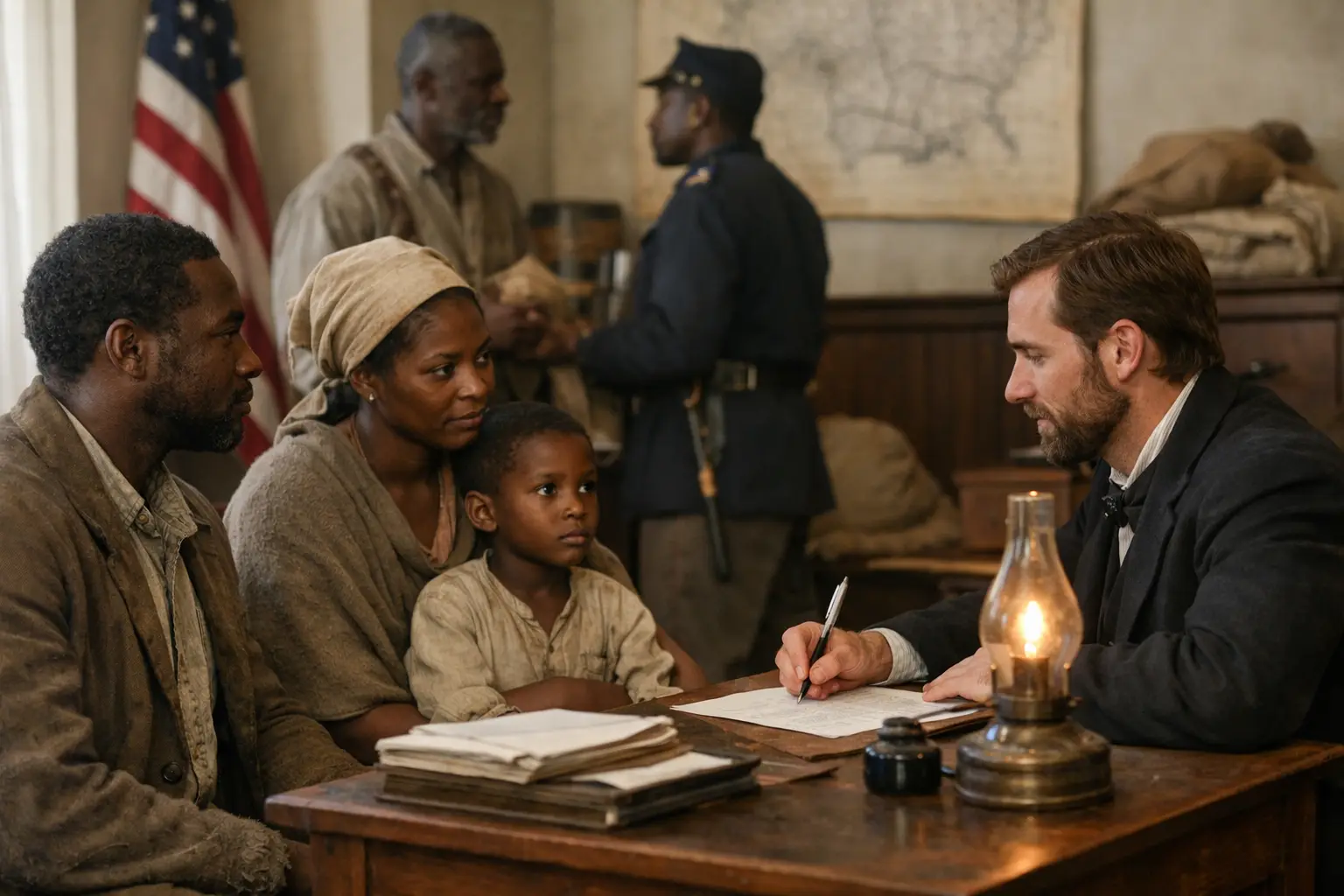
It distributed food and clothing in places where people were starving. It supervised labor arrangements between freed people and employers. It helped establish schools and supported teachers. It handled complaints, oversaw some hospital and medical care, and intervened in disputes involving wages, violence, custody, and basic civil rights. In some places it also managed abandoned or confiscated land, though the promise of long-term land redistribution largely failed.
That last point matters. People sometimes imagine the Bureau as a simple program that handed out land and solved the transition from slavery to freedom. It didn’t. Its officers were underfunded, overworked, politically attacked, and uneven from place to place. Some were committed advocates for freed people. Others were indifferent, paternalistic, or openly hostile. So when you ask what did the Freedmen's Bureau do, the real answer is both powerful and incomplete: it offered assistance, regulation, and recordkeeping during a chaotic transition, but it never had enough authority or time to protect everyone who needed it.
Why the Bureau matters so much for genealogy
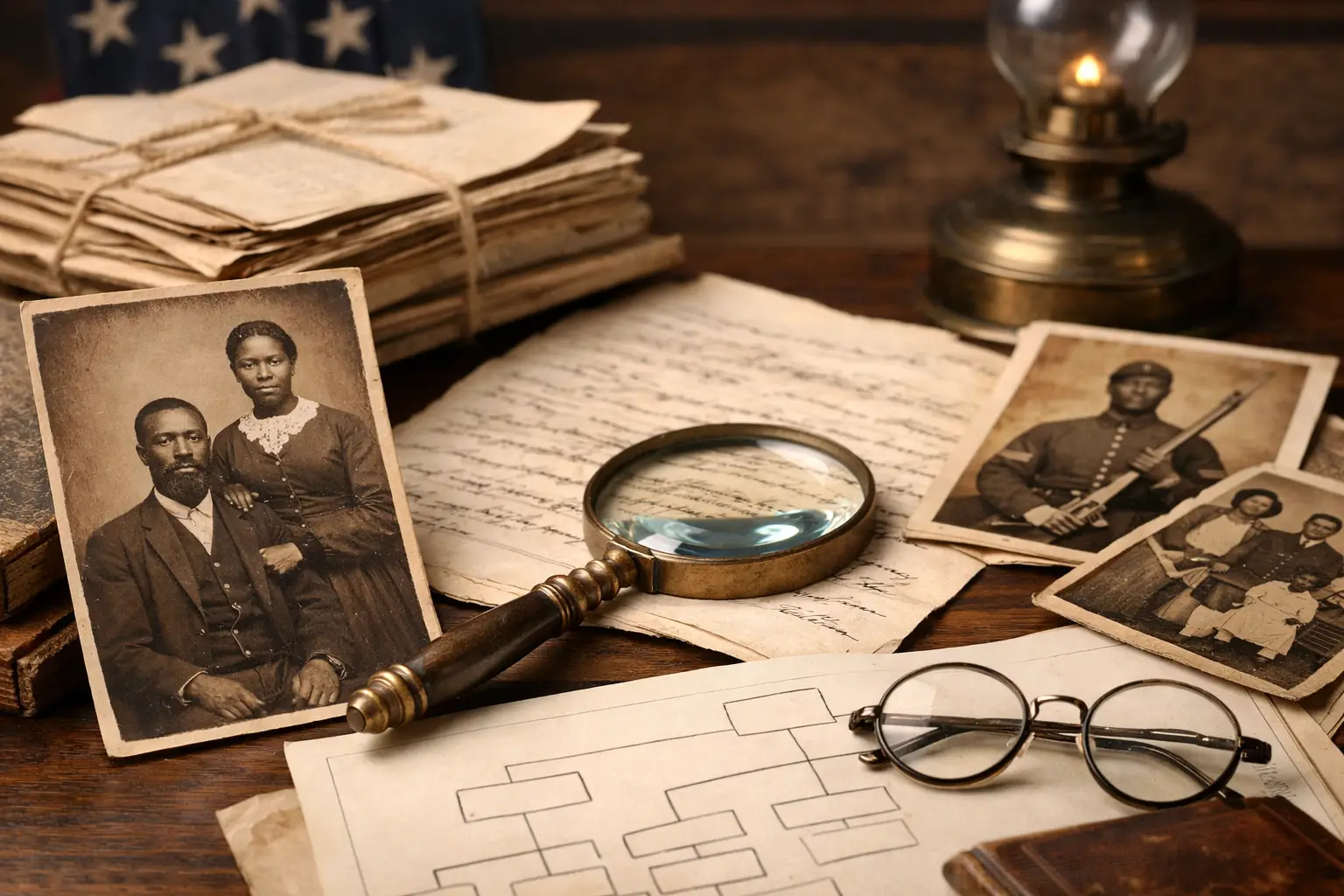
For family historians, the Bureau’s importance is not just historical. It is practical. These records often capture people in motion - leaving plantations, negotiating work, searching for children sold away, formalizing marriages, and trying to hold employers accountable.
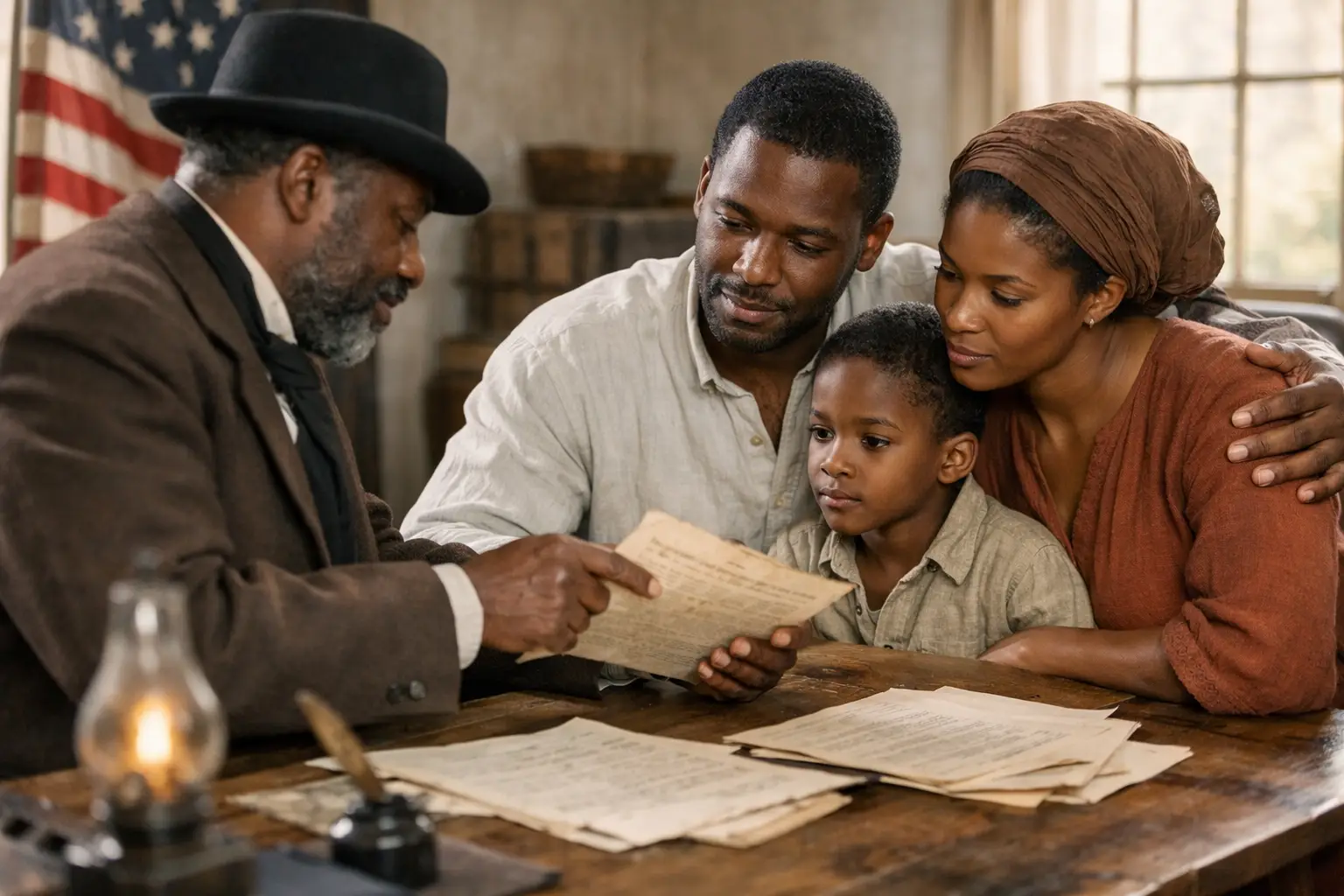
That makes Bureau records different from many other collections. They are not just lists of names. They often explain relationships and events. A labor contract may name a freedman, his wife, his children, the plantation where they worked, and the landowner who employed them. A complaint letter may describe an assault, unpaid wages, or an attempt to take a child away. A marriage record may connect a couple who lived as husband and wife under slavery but could only legalize that union after emancipation.
For researchers facing the 1870 brick wall, that kind of detail is gold. It can point backward to slavery and forward into stable postwar communities.
The main things the Freedmen’s Bureau actually did
The Bureau’s work fell into a few major categories, and each one produced records that can matter for your family.
Labor contracts and wage disputes
After emancipation, Southern agriculture did not stop. Plantation owners still needed labor, and freed people needed to survive while pushing for autonomy, fair pay, and control over family life. Bureau officers often supervised labor contracts or reviewed disputes between workers and employers.
These records can reveal who worked for whom, where a family lived, what they were paid, and whether children were included in labor agreements. They can also expose former enslavers or neighboring white landowners tied to the family after the war. That connection is often the clue that helps a researcher move into probate, tax, deed, and estate records from the slavery era.
Marriage registration
Many enslaved couples had marriages recognized within their communities but not by law. After emancipation, the Bureau helped document and legalize these unions in some areas.
If your ancestors married through the Bureau or appeared in related registers, you may find names of spouses, former owners, residences, and dates of cohabitation. Those details can anchor a family line that otherwise seems to appear suddenly in 1870.
Education and schools
The Bureau supported schools for freed children and adults, often working with Northern missionary groups and local Black communities. Education records vary, but where they survive, they may identify students, teachers, parents, ages, and neighborhoods.
These records also tell a deeper family story. A school entry is evidence of a family claiming a future - literacy, mobility, and legal presence in a society still trying to deny all three.
Rations, medical care, and relief
Many freed people, refugees, elderly adults, and disabled veterans needed emergency assistance. The Bureau distributed rations and in some places oversaw hospitals or medical support.
Relief records can place a person in a county at a specific time and may include age, family status, health condition, or dependency. They are not as commonly used as labor or marriage records, but they can be crucial when other evidence is thin.
Complaints, courts, and local disputes
One of the Bureau’s most revealing functions was hearing complaints. Freed people brought cases involving unpaid wages, kidnapping of children, apprenticeship abuse, violence, land conflicts, and broken contracts.
These records can be emotionally hard to read. They also preserve voices and events that ordinary county records ignored. If an ancestor shows up in a complaint or court-related file, you may get a direct look at the dangers they faced and the strategies they used to protect family.
Family reunification
The Bureau was not a formal reunion agency in the modern sense, but Bureau offices and affiliated newspapers sometimes helped people search for relatives separated by sale, war, or forced migration.
For descendants, these notices matter because they often name parents, spouses, siblings, children, former owners, and the last known place a loved one was seen. Few record sets speak more directly to the human cost of slavery.
What the Bureau did not do
It helps to be clear about limits. The Bureau did not create a complete record for every freed person. Coverage varies by state, county, and field office. Some records were lost. Some communities had more active officers than others. Many people never interacted with the Bureau in a way that left a surviving paper trail.
It also did not solve the deeper economic and political violence of Reconstruction. Access to land remained limited. White resistance was constant. Federal protection weakened over time. So if your ancestor does not appear, that absence does not mean they were not there. It usually means the system was inconsistent.
How to use Freedmen’s Bureau records in your own research
Start with place. Bureau records are organized heavily by field office, state, and local jurisdiction. If you know where your ancestor lived in 1870, or even where they lived by 1880, work backward to identify the likely county and nearest Bureau office.
Then look for the record types most likely to fit your family’s situation. A farming family may show up in labor contracts. A couple with children born before the war may appear in marriage or cohabitation records. A household with elderly adults may appear in ration records. If you have a suspected former enslaver name, compare it against labor agreements, complaints, and local correspondence.
This is where many researchers get stuck. They find a surname and stop there. But Bureau records often work best when you track clusters - neighbors, employers, witnesses, teachers, soldiers, and nearby plantations. Your ancestor may be recorded beside the person who opens the next archive door.
If you use a research tool such as The 1870 Project, the goal should be speed and precision, not more record clutter. The right next move is often a county, a field office, or a microfilm series - not a giant pile of search results.
So, what did the Freedmen's Bureau do for your family history?
It documented freedom being built in real time. Not neatly. Not fully. But often enough to matter.
The Bureau recorded work, marriage, schooling, survival, conflict, and kinship at one of the most fragile turning points in American history. For descendants of formerly enslaved people, those records can do more than confirm a name. They can reconnect a family across the hardest archival break most researchers ever face.
Your family was here before 1870. Sometimes the fastest way to find them is to look at the agency that met them right after freedom - in the labor office, at the schoolhouse, in a marriage register, or in a complaint filed by someone refusing to disappear. Keep following that paper trail. It was never just bureaucracy. It was your family trying to be seen.