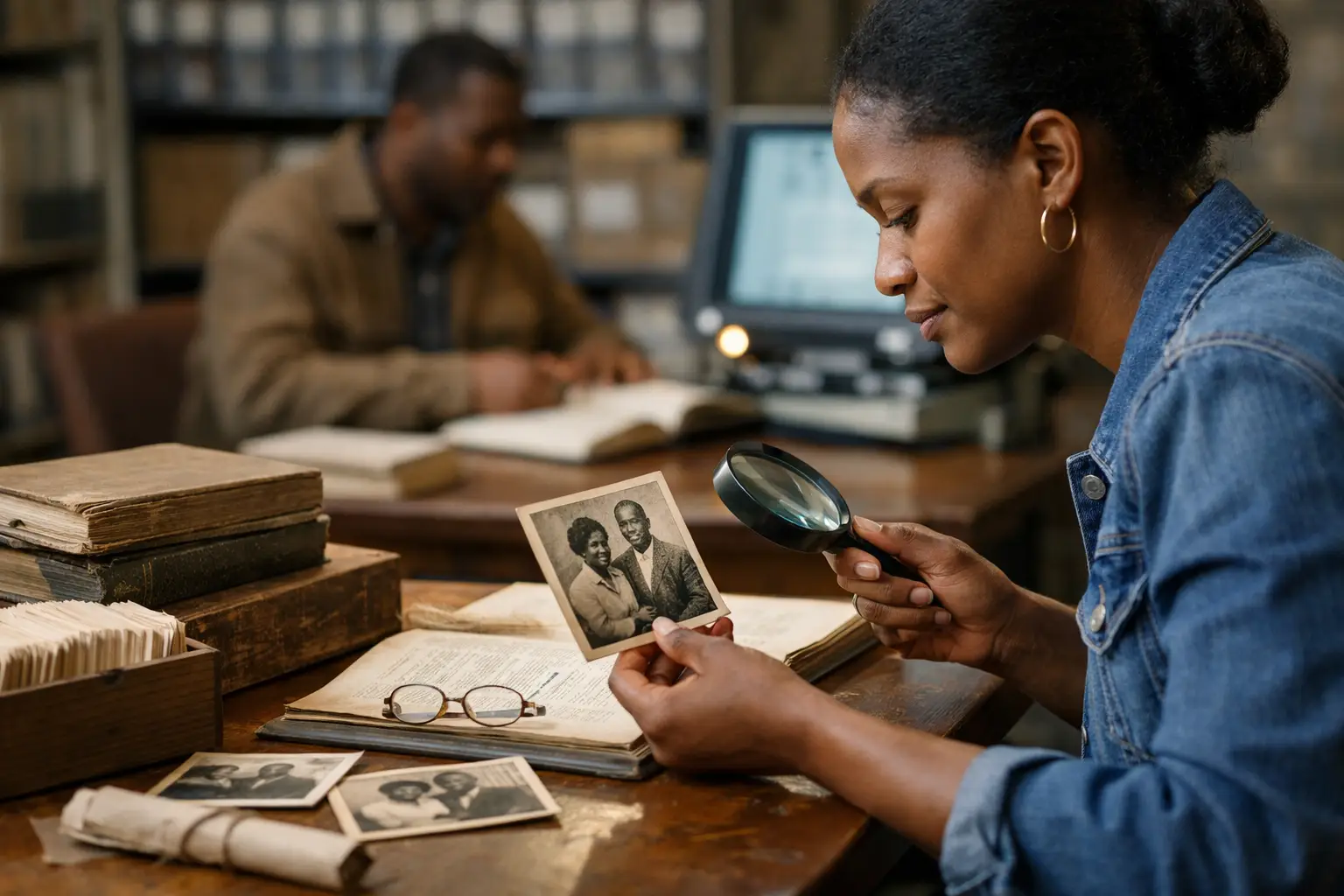
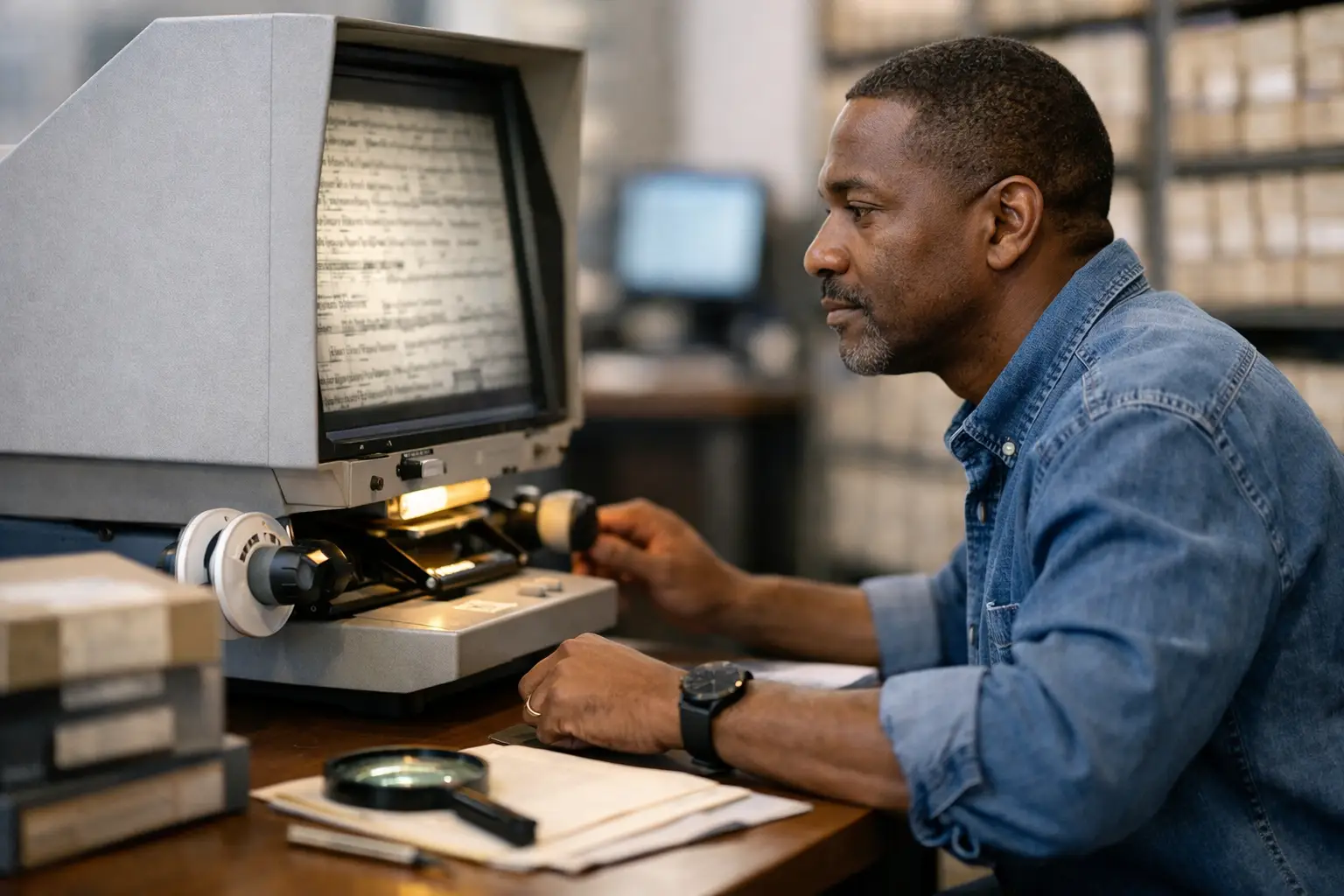
Which Archives Hold Plantation Records?
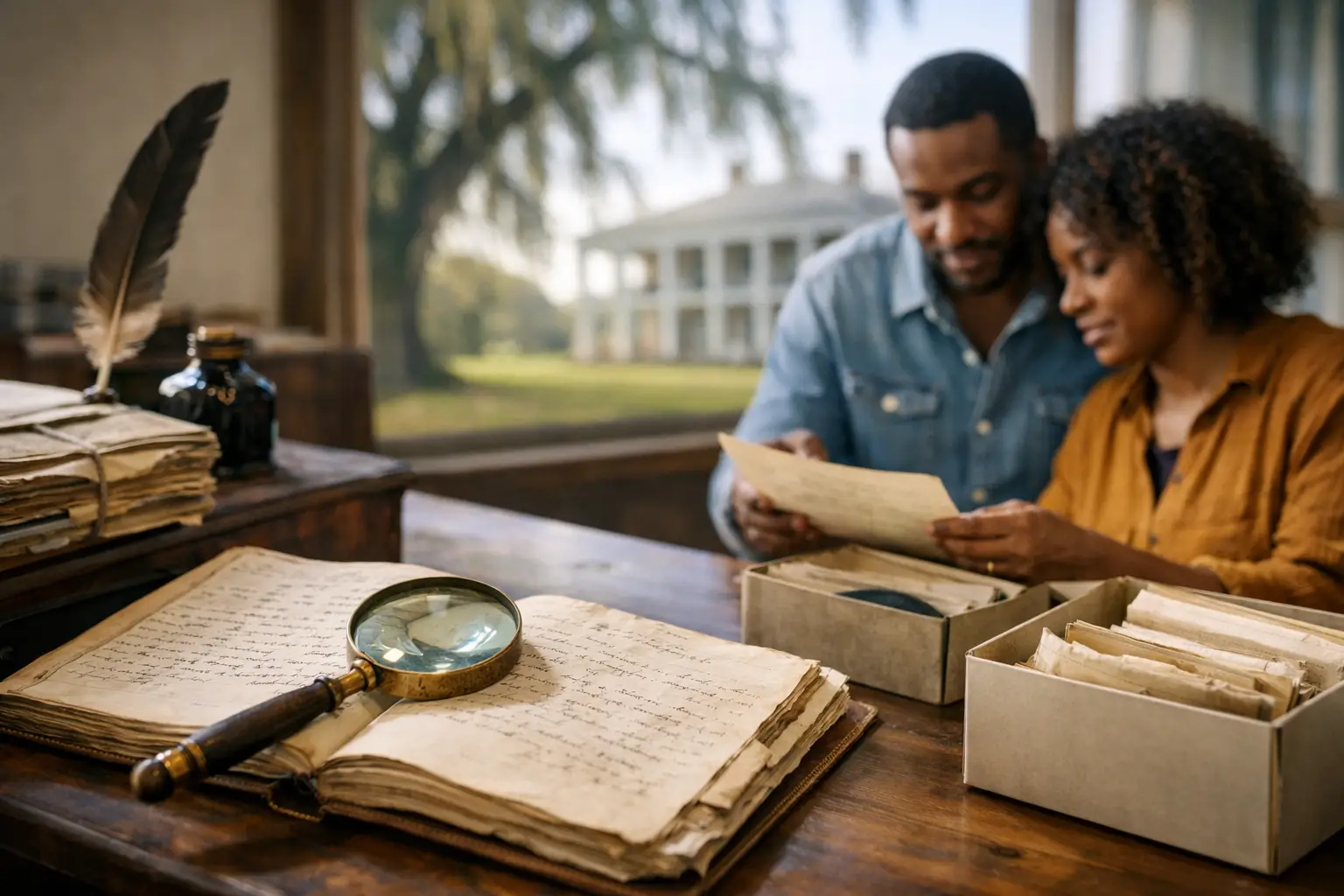
If you are asking which archives hold plantation records, you are already asking a better question than most researchers start with. The mistake is assuming there is one plantation archive, one master index, or one shelf where records of enslaved people were neatly preserved. There is not. Plantation records are scattered by family, county, court, business, and inheritance trail. That sounds frustrating, but it also gives you a real research advantage - because once you know why the records were created, you know where they tend to land.
For families tracing enslaved ancestors, plantation records matter because they can name people before 1870, place them in a specific county, connect them to an enslaver family, and sometimes reveal parents, spouses, children, trades, illnesses, resistance, or sale history. They are uneven, painful, and often filtered through the records of ownership. But they can break a wall that census schedules cannot.
Which archives hold plantation records most often
The short answer is this: plantation records usually survive in state archives, county courthouses, university special collections, historical societies, and manuscript divisions of major libraries. Some also appear in federal repositories, but less often as a single plantation ledger and more often as records tied to claims, confiscation, labor disputes, or postwar administration.
State archives are often the first serious stop. Many plantation families donated papers to state-level repositories because the family remained prominent locally, because papers were transferred from defunct county offices, or because archivists actively collected antebellum business and estate records. In these collections, you may find ledgers, journals, correspondence, labor lists, crop books, account books, probate packets, and plantation overseer reports.
County courthouses matter just as much, sometimes more. Plantations generated legal paperwork constantly. Wills, inventories, estate sales, deeds, mortgages, chancery cases, tax records, and guardianship records can all name enslaved people. The catch is that county records are less curated. Some are still in basement vaults. Some were moved to regional archives. Some were microfilmed decades ago. Some burned. You have to think county by county.
University special collections are another major holder. When wealthy planter families preserved letters, diaries, and business volumes, those materials often ended up at universities rather than public archives. That is where you may find the richest day-to-day plantation records: lists of enslaved workers, physician bills, hiring contracts, clothing distributions, birth notes, runaway notices copied into correspondence, and postwar wage labor transitions.
Historical societies and local museums can hold smaller but highly specific collections. These are easy to overlook because they may not have polished online catalogs. Still, a small regional society may hold the one family Bible, plantation store account book, or donated packet of estate papers that never reached a state repository.
Then there are major manuscript libraries. Large research libraries sometimes hold plantation records removed far from the original county or state because descendants relocated, sold papers, or donated them through family networks. That means a Mississippi plantation collection may sit in North Carolina, Virginia, Washington, or Massachusetts. Geography helps, but family migration and donor history matter too.
What kinds of plantation records end up in each archive
Not all archives hold the same material, and that difference matters. If you need names of enslaved people, probate and estate records are often stronger than polished family histories. If you need daily labor details, plantation journals and account books are better. If you need proof of family clusters after emancipation, labor contracts and Freedmen's Bureau complaints may connect the plantation era to the 1870 census.
At county level, expect court-driven records: wills, inventories, appraisements, divisions of property, estate settlements, deed books, mortgage books, and chancery suits. These are often the records most likely to list enslaved people by name because money, inheritance, and contested property required specificity.
At state archives, expect a wider spread. Some state archives hold private manuscript collections from planter families, gubernatorial papers mentioning plantations, tax digests, legislative petitions, agricultural reports, and state court appeals. If a plantation family was politically connected, the archive may hold both private and public records that point to the same people.
At universities, expect personal and business papers. These can be more revealing than official records because they capture management decisions. One volume may list births, deaths, rations, and shoes issued by quarter. Another may record cash paid to hire out an enslaved blacksmith or washerwoman. You are not just looking for one dramatic document. You are piecing together repeated mentions across ordinary paperwork.
The archives researchers miss
The most missed archives are not always the biggest. They are the repositories connected to the enslaver family rather than the plantation county.
If the planter's daughter married into another family, papers may have been absorbed there. If an estate was litigated for twenty years, the key records may survive in a chancery archive instead of a plantation collection. If a family lost land after the war, creditors' suits, bankruptcy files, or tax sales may expose names and locations that never appeared in a formal plantation ledger.
Religious archives can matter too. Episcopal, Catholic, Methodist, Presbyterian, and Baptist institutions sometimes preserved sacramental registers, missionary correspondence, burial notes, and records tied to plantation chapels or church discipline. These are less predictable, but when they survive, they can bridge family relationships the plantation books did not bother to explain.
Insurance records, agricultural society records, and records of state asylums or hospitals can also name enslaved people attached to a plantation. These are not where most people start, but they can confirm residence, ownership, age, and labor role.
How to tell which archive is most likely for your case
Start with the county where your family appears in 1870 or just after emancipation. Then work backward to likely enslavers through surname patterns, proximity, probate clusters, and DNA matches. Once you have one or two candidate families, ask a sharper question: where would this family's papers have gone?
If the family stayed powerful in the same state, state archives and major in-state universities are strong bets. If descendants spread into neighboring states, search those repositories too. If the plantation family generated a large contested estate, county court and chancery records move up the list. If the family had military claims, confiscation issues, or postwar labor disputes, federal records become more important.
This is where precision beats volume. Ten thousand general search results will not help as much as one identified county, one planter surname, and one probate packet.
For many researchers, especially those facing the 1870 brick wall, the real challenge is not reading the record. It is knowing where to look next. That is exactly why tools that translate surnames, DNA clusters, and postwar locations into specific archive paths can save months of wandering. The 1870 Project is built around that kind of next-step clarity.
Which archives hold plantation records at the federal level
Federal archives do hold plantation-related records, but usually indirectly. If you are expecting a federal shelf labeled plantation files, you will be disappointed. If you are looking for records created when plantations interacted with the federal government, you have a stronger path.
Freedmen's Bureau records can document labor contracts, rations, complaints, schools, marriages, and disputes involving former plantations and formerly enslaved families. Southern Claims Commission files may mention plantation property, wartime loyalty, labor arrangements, and neighbors who testified. Records of the Freedman's Bank can place individuals in a postwar community with relatives named. Civil War confiscation and compensation records may also expose plantation ownership details.
National Archives materials are especially useful when you need the handoff from slavery to freedom. They may not replace local plantation papers, but they often connect the people in those papers to the people who later appear in 1870.
A practical way to search plantation records without wasting time
Do not search only for the word plantation. Search for the family surname, county, and record type. Plantation collections are often cataloged under family papers, estate papers, or business records rather than under the plantation's common name.
It also helps to search variant county boundaries and neighboring counties. Plantations crossed lines. Courts changed. People married across counties. A person listed in one county's estate records might appear in another county's deed books.
When you find a collection description, read the scope note carefully. A vague phrase like household accounts may hide lists of enslaved children receiving clothing. Farm journal may actually include daily labor assignments. The catalog title is rarely the whole story.
And be realistic about gaps. Some plantation records were destroyed. Some survive only as fragments. Some never named enslaved people individually unless money was at stake. That does not mean your trail is over. It means you may need to combine probate, tax, Bureau records, cemetery evidence, oral history, and DNA to rebuild the family line.
Your family was here. The records are rarely neat, rarely centralized, and rarely kind. But if you follow the county, the court, the paper trail of inheritance, and the archive path of the enslaver family, plantation records stop being a mystery and start becoming evidence.