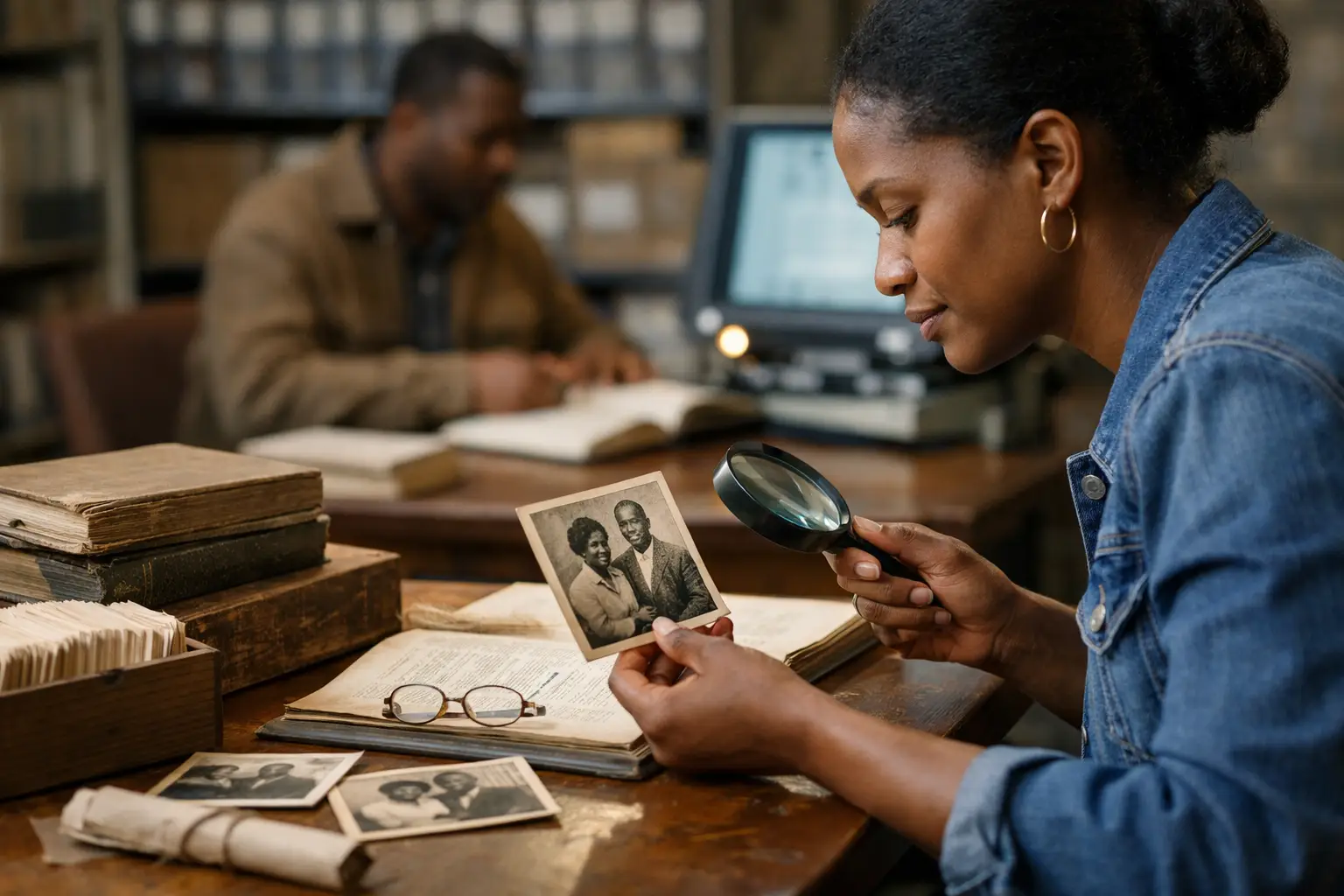
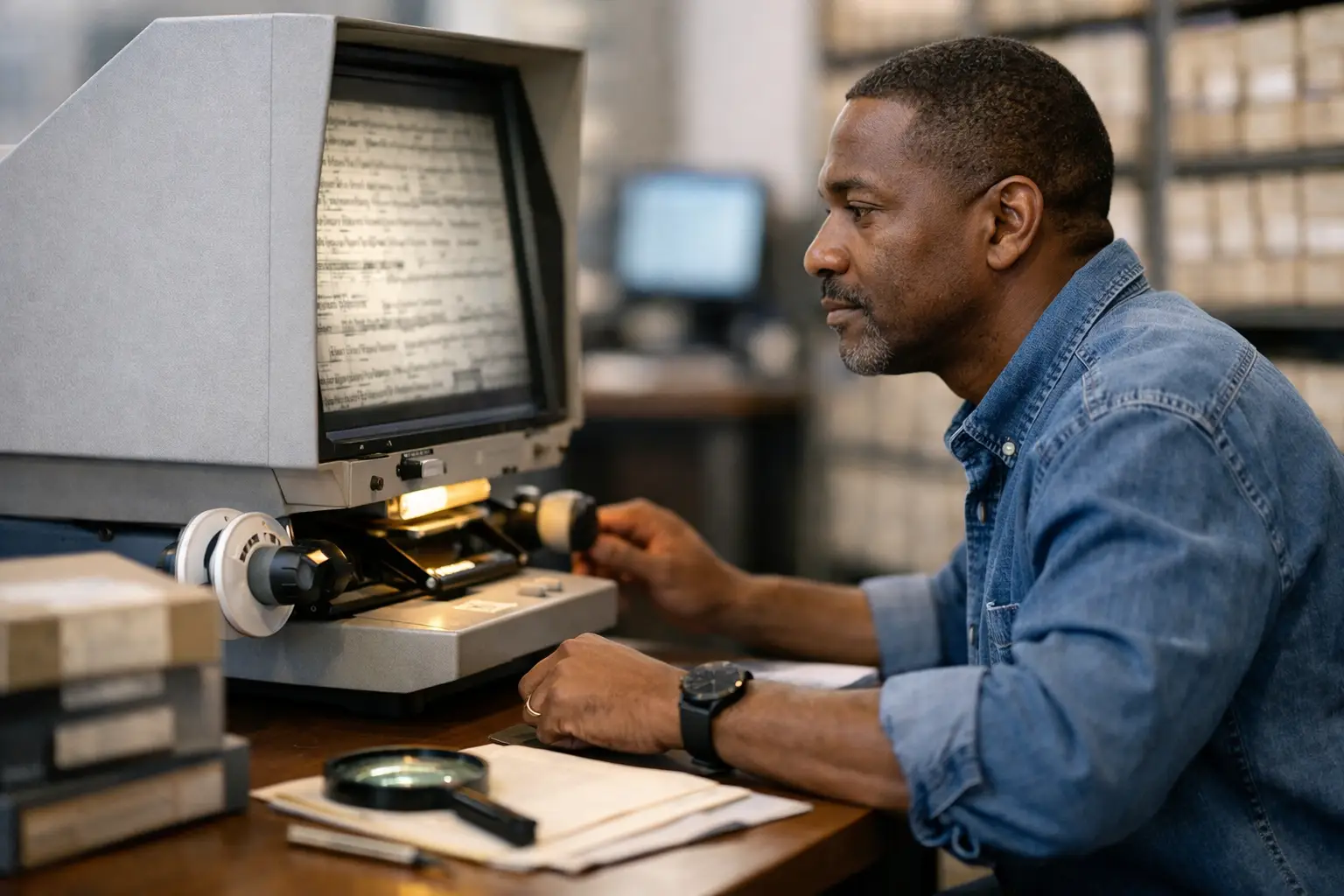
How Civil War Pension Genealogy Finds Family
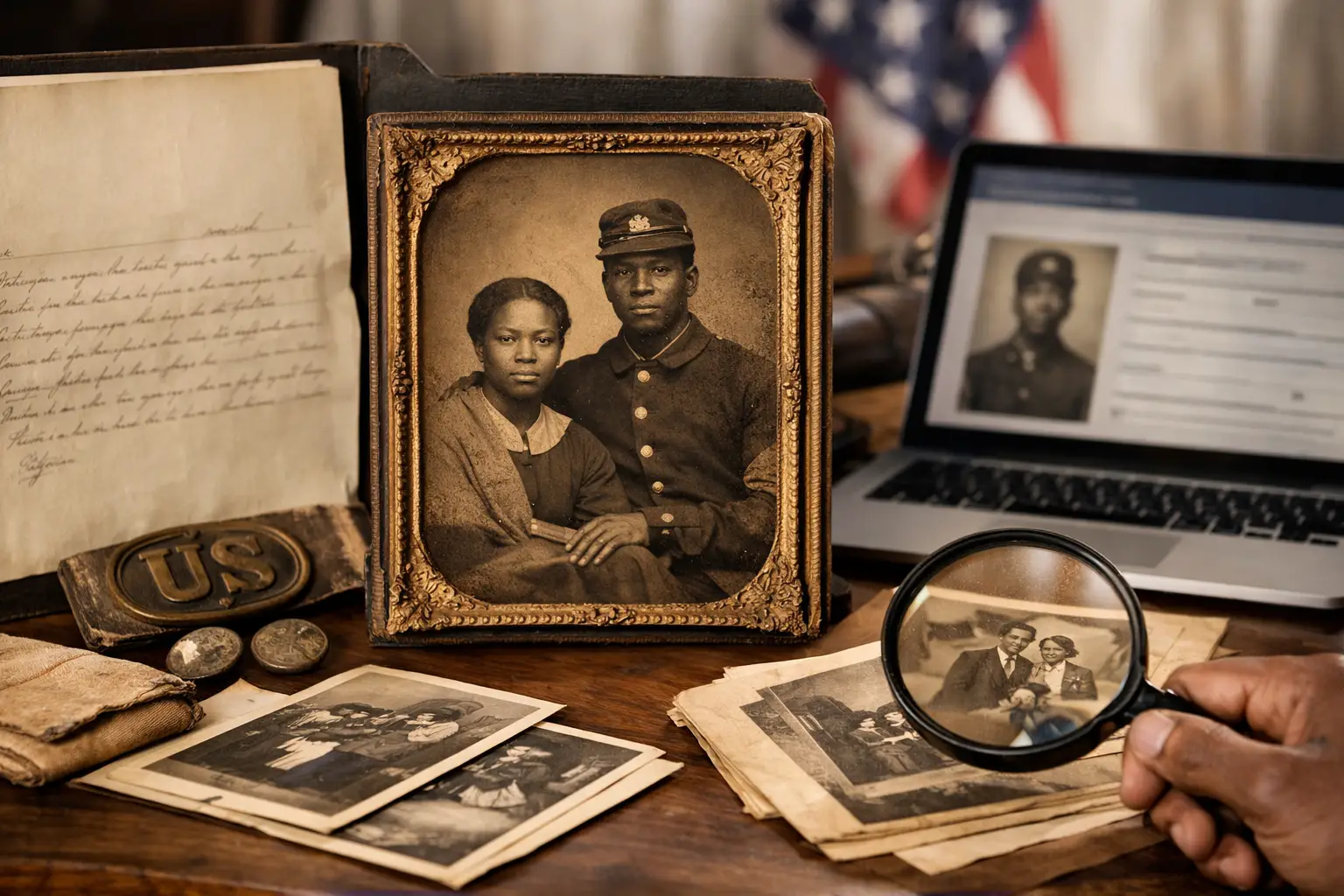
A widow's affidavit can do what a dozen census searches cannot. One Civil War pension file might name a soldier's regiment, his postwar address, his marriage date, his children, the neighbors who knew the family, and the county clerk who recorded it all. If you are stuck between 1865 and 1880, civil war pension genealogy is often the record trail that puts names, places, and relationships back together.
Why Civil War pension genealogy matters so much
Pension files are not neat little abstracts. They are case files. That difference matters.
A compiled service record may confirm that a man served. A pension file can show how he lived after the war and who had to prove that life on paper. When a veteran applied for an invalid pension, he often had to document injuries, age, residence, and service. When a widow applied, she had to prove the marriage and show that she was the lawful widow. If children were involved, the file could include their names, ages, and evidence of birth.
For genealogists, that means these files can connect the military story to the family story. They can also bridge the exact years where many researchers lose momentum, especially when local records are thin, surnames are common, or a family moved county to county after the war.
This is especially powerful for African American research. After emancipation, many formerly enslaved men served in the United States Colored Troops, and pension applications later created federal paper trails that named spouses, children, enslavers, plantations, and places of origin. Not every file contains all of that, but when it does, it can push a family line across the 1870 barrier with evidence, not guesswork.
What you can actually find in a pension file
The best way to think about a pension file is as a chain of proof assembled over time. It was built for benefits, not for your family tree, which is exactly why it can be so useful. People had to prove claims with records and testimony.
A file may include declarations from the soldier, widow, minor children, or dependents. It can contain surgeon's certificates, depositions from comrades, marriage records, Bible pages, county clerk certifications, death information, and correspondence about addresses or payments. Sometimes there are contradictions. That is not a flaw. It is a clue. Contradictions tell you where to look next.
A widow might state she married the veteran in one county, while a witness says the couple lived first in another. A child's age might not match later census records. A former comrade might mention the veteran's migration path after the war. Those details can open new searches in county marriage books, probate files, tax lists, Freedmen's Bureau records, church registers, and local newspapers.
Who had Civil War pensions and who did not
Most Union veterans, their widows, and dependent children are the core group for pension research because the federal government maintained those files. Confederate pensions were different. They were generally handled later by former Confederate states, which means the records are state-level and vary widely in content and availability.
That distinction changes your strategy. If your ancestor served for the Union, you are usually looking for a federal pension index and then a federal file. If he served for the Confederacy, you need to identify the state where he lived when he applied. A veteran who served in Virginia but retired to Texas may have a Texas Confederate pension application, not a Virginia one.
This is one of those areas where genealogy rewards precision. Regiment, side, residence after the war, and application type all matter.
How to start civil war pension genealogy without getting buried in records
Start with the smallest solid fact you trust. A name alone is not enough if it is John Williams or Mary Johnson. A regiment is better. A county is better. A spouse's name is better. Your goal is not to search everything. Your goal is to search the next best thing.
Begin by identifying whether the person was likely Union or Confederate. Then look for pension index entries before chasing the full file. An index card can give you the application number, certificate number, widow's claim, and sometimes the state or unit. Those numbers are not trivia. They are your retrieval path.
Once you have an index reference, build a quick evidence frame around it. Does the widow's name match known family information? Does the regiment align with what you already found in service records, grave markers, or local histories? Does the residence fit census and county records? This prevents you from attaching the wrong pension to the right name.
If you are tracing African American ancestors, do not stop at the soldier's file title. Pay close attention to widow and minor applications. A widow's claim often contains the family material researchers need most. It is common for the richest genealogical evidence to sit in the follow-up paperwork, not in the first application.
What to do when the pension file seems thin
Some files are packed. Some are disappointingly small. That does not mean they failed you.
A thin file can still give you the application and certificate numbers, a residence, a regiment, or a spouse's name. That may be enough to move sideways into other record groups. Military service records, regimental histories, county marriage books, cemetery files, state adjutant reports, and postwar tax lists can all become easier once the pension file confirms identity.
For Black families, even one firm military clue can point you toward USCT service records, Freedmen's Bank entries, labor contracts, or Bureau marriage records. For white families and other lineages, a residence and widow name can lead to probate, guardianship, or land records that explain the household after the veteran's death.
This is where many people lose time. They treat a small file as a dead end instead of as a pivot point.
Common mistakes that derail pension research
The first mistake is assuming every soldier had a pension file. Many did not apply, and not every application survived in the same way researchers hope. The second is confusing service with pension. A verified soldier is not automatically a verified pensioner.
The third mistake is trusting indexes more than the file itself. Indexes are useful, but they compress messy lives into a few lines. Names get misspelled. Widows remarry. Men serve under middle names or initials. Racial identity may be inconsistently recorded. Counties split, and families move.
The fourth mistake is ignoring witnesses. In pension genealogy, witnesses are often relatives, in-laws, former neighbors, or old comrades from the same place. Their names can rebuild an entire migration cluster.
Using pension files to break the 1870 barrier
If your research problem is the 1870 brick wall, pension records can help in two ways. First, they tie a person after the war to a military identity that was recorded during the war. Second, they force the family to document relationships in a federal file when local civil registration was weak or hostile.
That is why these records matter so much for descendants of formerly enslaved people. A widow may need to prove that a marriage formed under slavery was recognized after emancipation. A comrade may testify that he knew the couple on a particular plantation before enlistment. A clerk may certify a later formal marriage. Those layered statements can connect prewar and postwar identities in a way census records alone often cannot.
This work still takes judgment. Names repeat. Ages drift. Memory fails. But a pension file gives you a place to test competing theories against actual testimony.
A smarter way to work the evidence
Good genealogy is not about collecting more records. It is about reducing uncertainty.
When you find a pension clue, write down the exact wording, dates, application numbers, residences, and every witness. Then ask one practical question: what record would this statement have required at the time? If a widow said she married in 1867 in a certain county, there may be a county book, a minister's return, a Freedmen's Bureau record, or a later affidavit explaining why no certificate existed.
If a veteran gave a post office address in 1890, search that place as a cluster, not just as an individual. Look for neighbors with matching surnames, old comrades nearby, and people who appear later as witnesses, marriage bondsmen, or probate appraisers. Families rarely moved alone.
This is the kind of research path The 1870 Project is built for - not endless record piles, but the next best search action, the right county, and the exact archive trail when the usual tools stall.
A pension file will not tell every part of your family's story. But it can do something just as valuable. It can prove that the people you are looking for were real, connected, and documented by name in the aftermath of war. Your family was here. Keep following the paper.