Genealogy Trends After DNA Kits Are Changing
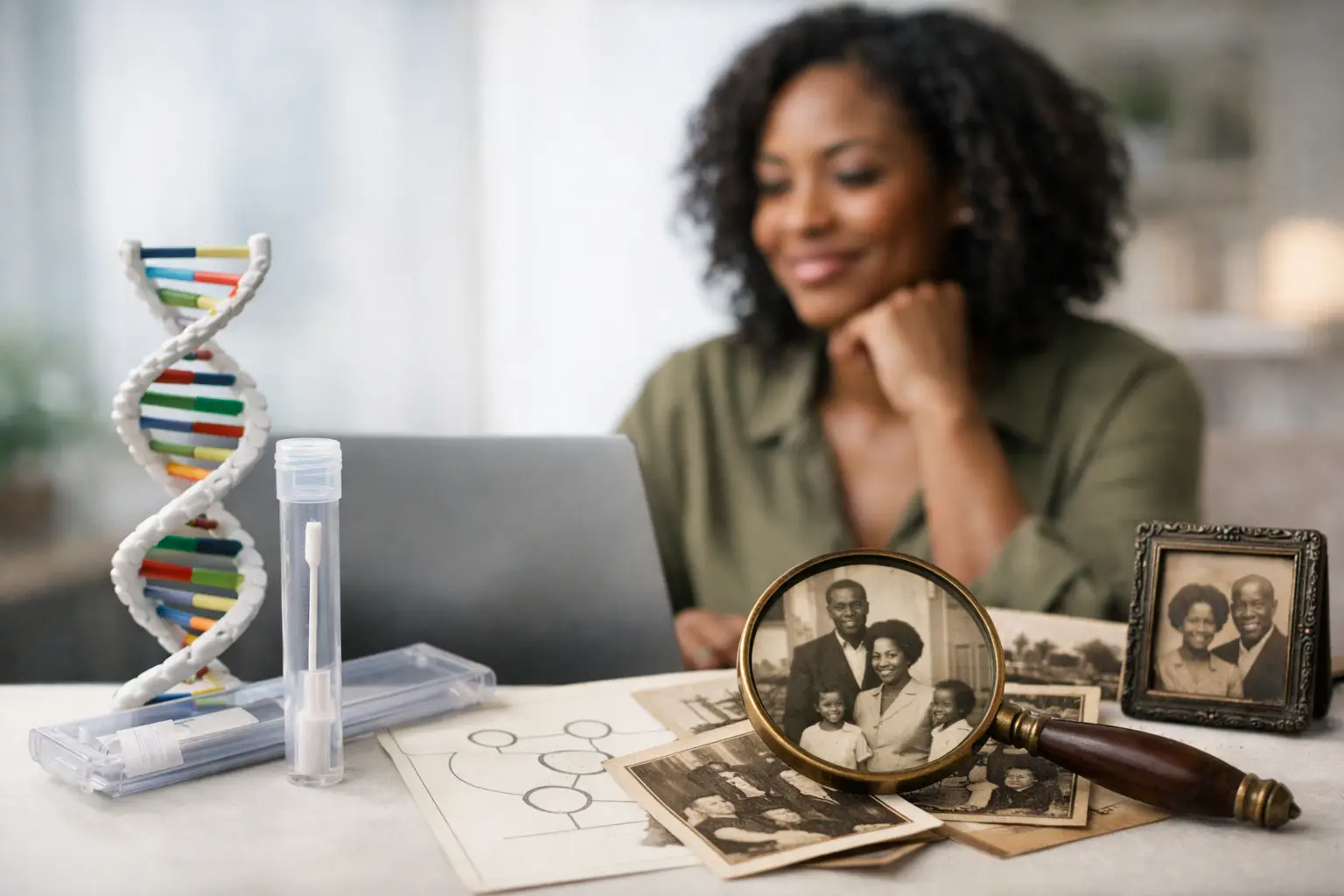
A DNA test can give you 20,000 matches and still leave you staring at the same unanswered question: who were your great-great-grandparents, and where did they live before the paper trail went cold? That gap is driving the biggest genealogy trends after DNA kits. People are no longer satisfied with ethnicity estimates or a screen full of unfamiliar cousins. They want names, places, records, and stories they can bring back to the family table.
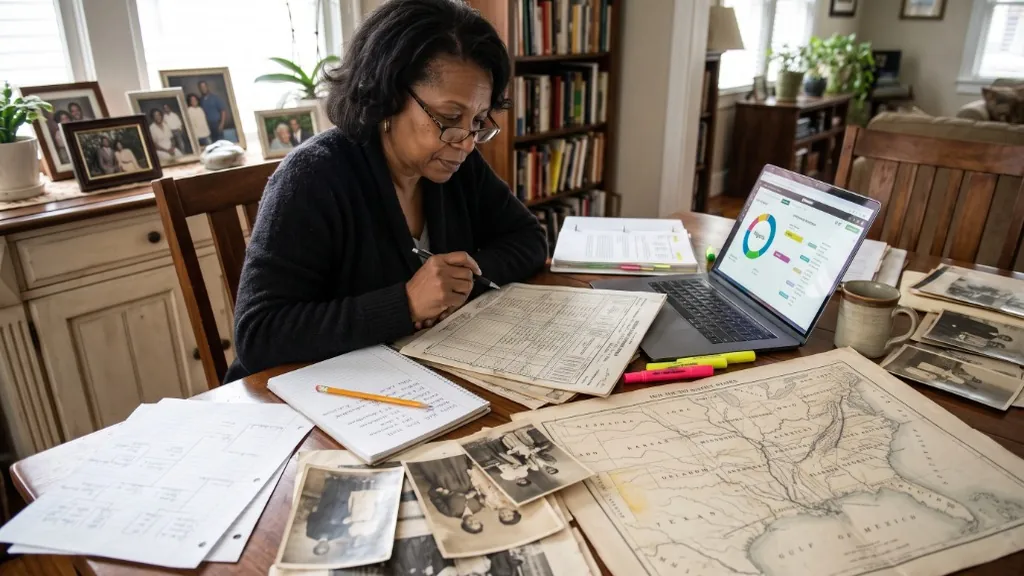
For many African American researchers, the urgency is even sharper. DNA may point toward a shared family network, but the 1870 Census can remain a hard stop - the first federal census after Emancipation to name formerly enslaved people as individuals. A match alone does not cross that wall. It has to become a research plan.
Genealogy Trends After DNA Kits: From Matches to Proof
The first wave of consumer DNA made genealogy feel immediate. Send in a sample, wait a few weeks, and watch a map or a match list appear. That experience brought millions of people into family history, including people whose relatives had never discussed the past or whose records were fragmented by migration, enslavement, adoption, name changes, or displacement.
But DNA results are not a finished family tree. They are evidence of shared inheritance. A second cousin match may confirm a branch you already suspect, point to an unknown grandparent, or create more questions than answers. The useful shift is from collecting matches to interpreting them in context.
Researchers are increasingly asking better questions: Which matches share the same ancestral couple? Which county connects their trees? Which surnames repeat across households? Did several related people appear in the same postwar community? Those questions turn a percentage of shared DNA into a trail that can be checked against census schedules, marriage records, probate files, military records, land deeds, church registers, and Freedmen's Bureau materials.
The trade-off is clear. DNA can reveal relationships that a record search misses, especially when surnames change or records are incomplete. Yet records are what place people in a household, a county, and a moment in history. Strong genealogy uses both.
DNA Is Becoming a Research Compass
The most valuable DNA tools do not simply tell you that you have a match. They help you decide what to do next. That means identifying clusters of related matches, estimating how they may connect, and tracing the geographic patterns behind those connections.
A cluster of matches with roots in one or two neighboring counties can be more useful than a closer match with no tree and no response. County history matters because families tended to move through real networks: nearby plantations, churches, military units, labor routes, rail lines, and kin communities. When several DNA matches lead back to the same area, that area becomes a research hub.
For a family blocked before 1870, a hub county can change everything. Instead of searching a national database for a common first name, you can focus on local records created around the Civil War and Reconstruction. You may look for labor contracts, marriage registrations, bank records, school records, cohabitation records, court cases, estate files, or records connected to the people who enslaved your ancestors. Precision saves time and prevents the familiar cycle of clicking through hundreds of weak hints.
This is where DNA-assisted research has to be practical. A useful result is not, “You may be connected to the Johnson family.” It is, “Start in this county, examine this record group, and request this federal microfilm.” That is the difference between a clue and momentum.
The Return of the Living Relative
Another major shift is happening away from databases altogether. Family historians are realizing that the fastest-disappearing archive is often sitting in a relative's living room.
An aunt may not know a formal birth date, but she may remember the town where her grandmother was buried, the nickname of a man in an unlabeled photo, or the church the family returned to every summer. A cousin may have a funeral program, family Bible, obituary clipping, or address book that never made it online. Those details can identify the exact place to search next.
The best interviews are specific without feeling like an interrogation. Ask who attended family reunions, where people went for Sunday dinner, which relatives moved north, and who was considered “kin” even without the same last name. Ask about names people avoided saying, too. Family silence can signal painful history, but it can also point toward an adoption, separation, migration, or relationship that records may explain.
Technology is making this work easier. Researchers can now use guided prompts to prepare outreach messages, organize relatives' replies, and compare family recollections with documentary evidence. The human part still matters most. Reach out with respect, explain why you are asking, and give people room to share on their terms.
Privacy Is Part of the Research Decision
As DNA testing becomes more common, people are also asking harder questions about control. Who can see their results? Can their data be used for research? What happens if a test reveals an unexpected parent, sibling, or close relative?
There is no universal answer. Some researchers want broad matching because it increases the chance of finding an unknown branch. Others prefer tighter privacy settings and more deliberate contact. Before testing or uploading data, read the provider's current consent choices, matching controls, and data-retention policies. Revisit them occasionally, because policies and options can change.
Privacy also applies to the people you find. A surprising result may be life-changing for you and unwelcome for someone else. Do not publish a living person's sensitive connection, adoption history, or parentage without permission. A careful first message is better than a public family-tree claim.
For families recovering histories shaped by enslavement, separation, and forced name changes, this care is not a minor etiquette rule. It is part of honoring the people whose stories you are trying to restore.
Family Trees Are Becoming Family Narratives
A chart of names and dates is useful. It is not always enough to make a younger relative care.
More researchers now want to turn verified facts into a story: what a person likely saw, what work shaped their days, why a family moved, and what historical forces surrounded their choices. That is especially powerful when an ancestor's surviving records are thin. A portrait or narrative can help a family picture a life that official documents reduced to a line of ink.
The boundary matters. Historical context can make a story vivid, but it should never be presented as fact when it is an informed interpretation. Separate what the record proves from what the period suggests. If an 1880 census identifies an ancestor as a farm laborer in a particular county, you can describe the agricultural world around them. You cannot claim the exact field they worked or words they spoke without evidence.
Done responsibly, storytelling gives research a purpose beyond completion. It helps relatives see that an ancestor was not a missing record or a DNA match number. They were a person with a place in the family.
The New Standard Is a Next Best Action
The old genealogy experience often leaves people with more information and less direction. Search results multiply. Hints conflict. Subscription walls interrupt the work. Beginners do not know whether to inspect a census page, message a match, search a county courthouse index, or give up for a while.
The emerging standard is guidance that narrows the field. It should explain why a match matters, identify the likely geographic center of a family network, and point toward a record set that can confirm or challenge the theory. The1870 Project is built around that kind of direction: translating DNA patterns into concrete archival paths, including county leads and the federal record sets to check, rather than asking you to interpret every clue alone.
That approach is not about replacing careful research. It is about putting careful research in the right order. Confirm each generation. Save source details. Record competing theories instead of forcing a connection. When evidence changes the story, let it.
Your DNA may have opened a door, but the next discovery will usually come from a place, a record, or a conversation. Pick one promising match cluster, identify the county it keeps returning to, and take the next action that can prove something. Your family was here. The work now is finding the record that shows where.