
DNA and matches
Which matches to contact first, how clustering works, and what DNA can and can't prove.
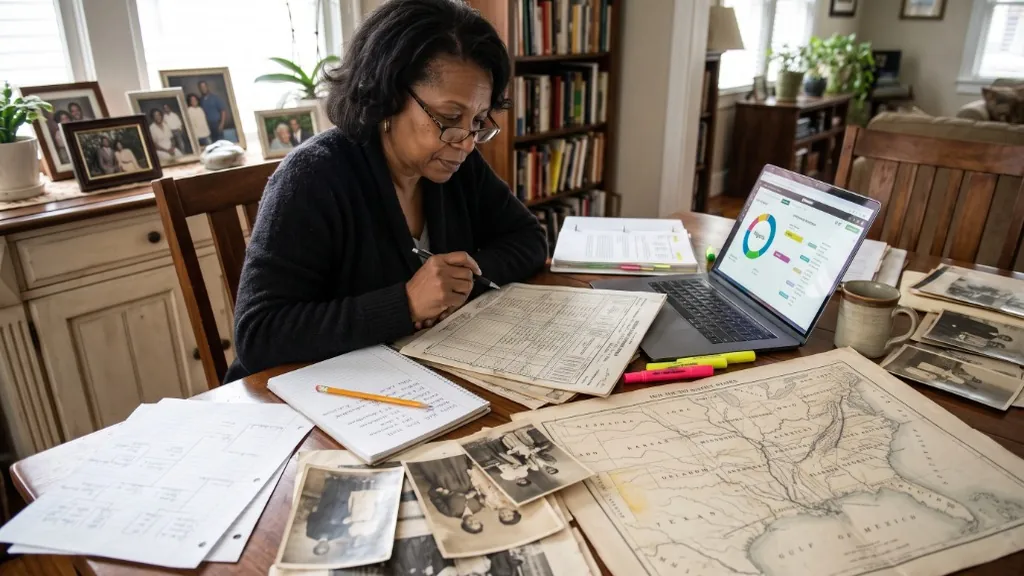
Why Your DNA Test Says "Nigeria" When Your Family Lived in Louisiana or Texas in 1870
Why does your DNA show Nigeria when your family was in Louisiana or Texas in 1870? See how the 1790–1860 domestic slave trade and 1880–1930 census connect it.

Family Interviews Versus DNA Testing: Which Wins?
Family interviews versus DNA testing can both break a genealogy dead end. Learn what each reveals, where each fails, and what to do first for proof.
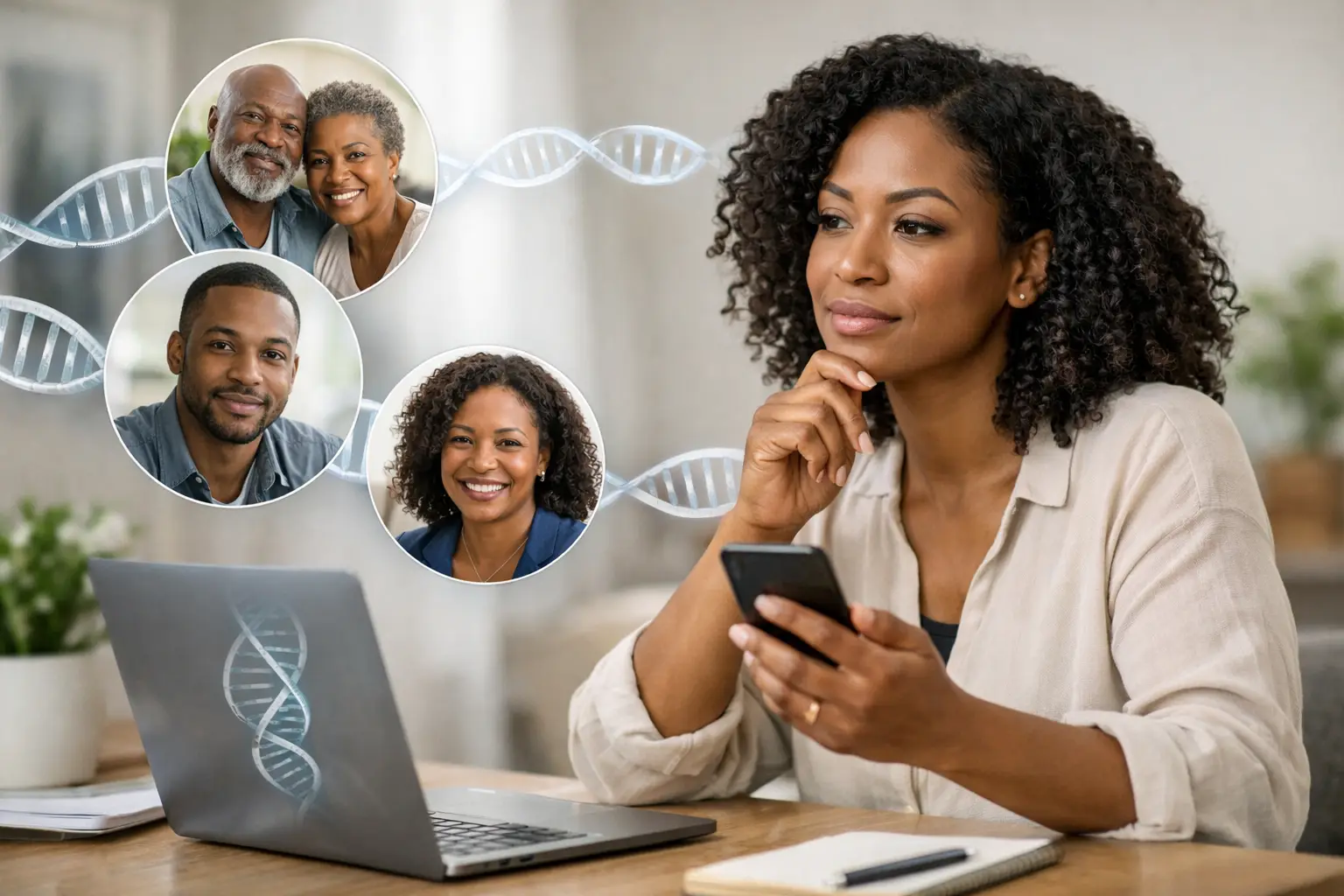
Which DNA Matches Should I Contact First?
Which DNA matches should I contact first? Learn how to prioritize shared cM, shared ancestors, locations, and older relatives for faster breakthroughs.
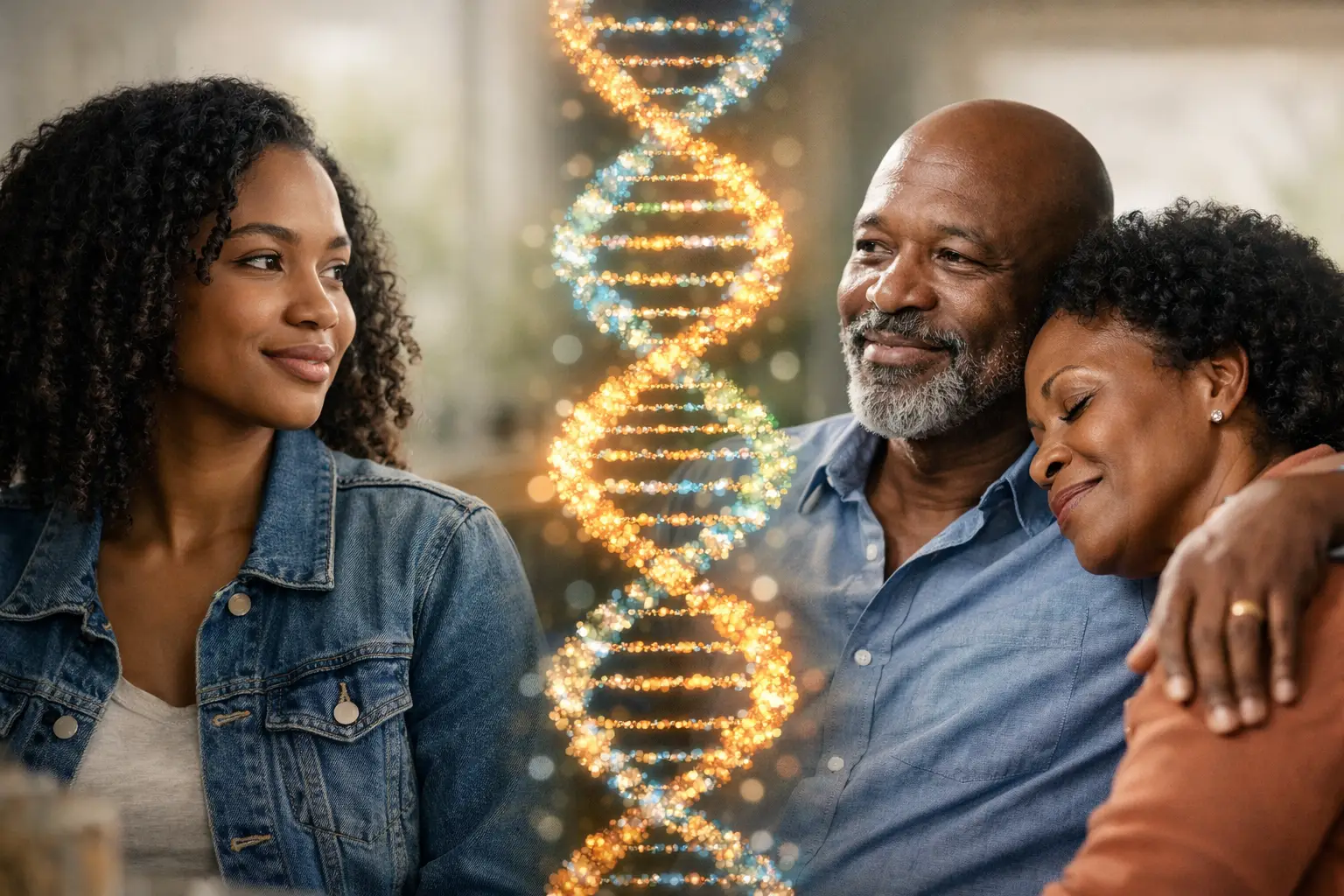
How DNA Clusters Solved an Adoption Case
See how DNA clusters solved an adoption case by turning match lists into family groups, counties, records, and a careful, privacy-first path to answers.
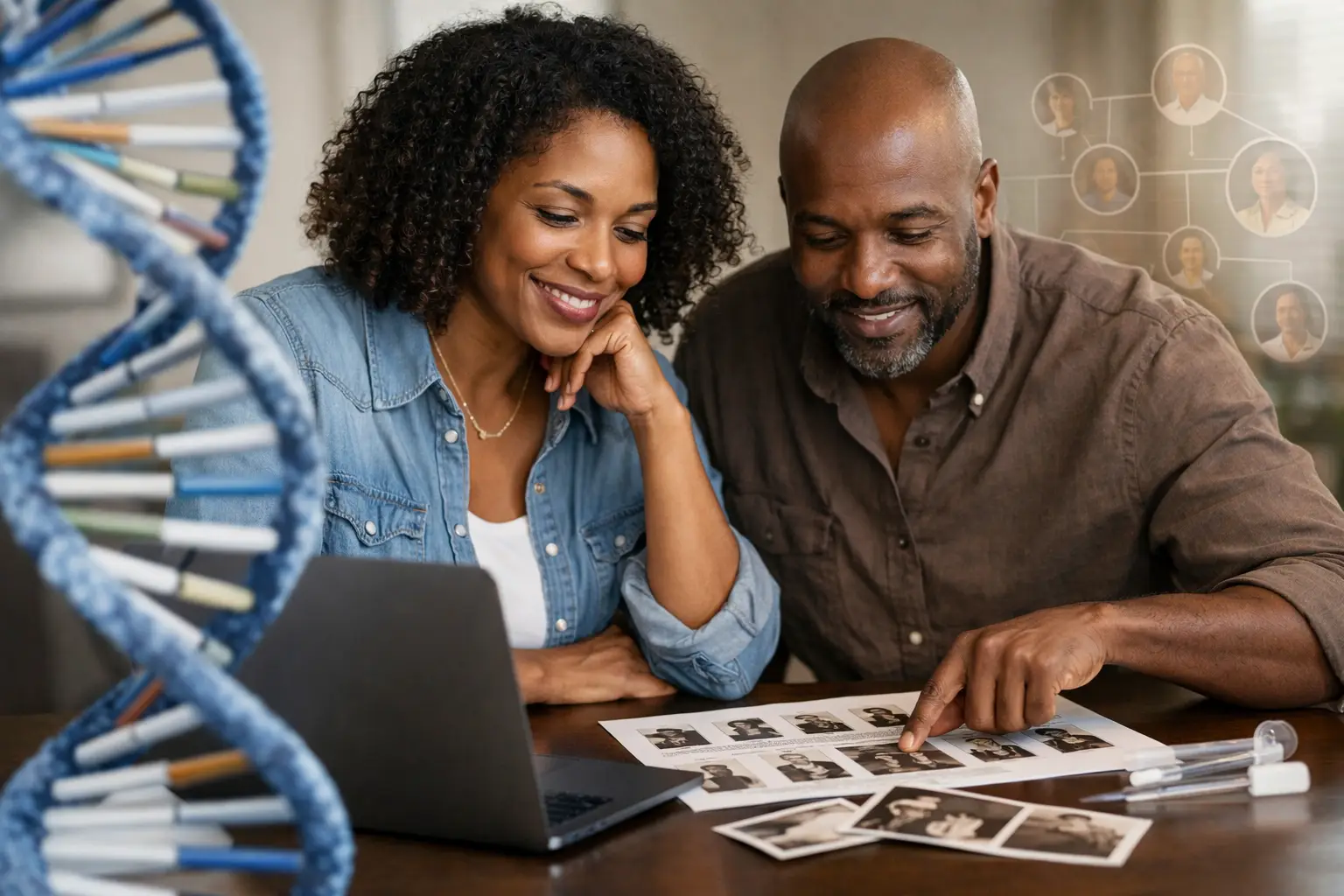
An Example of DNA Guided Genealogy at Work
See an example of DNA guided genealogy that turns match clusters into a county, a record plan, and a path past the 1870 census brick wall with confidence.
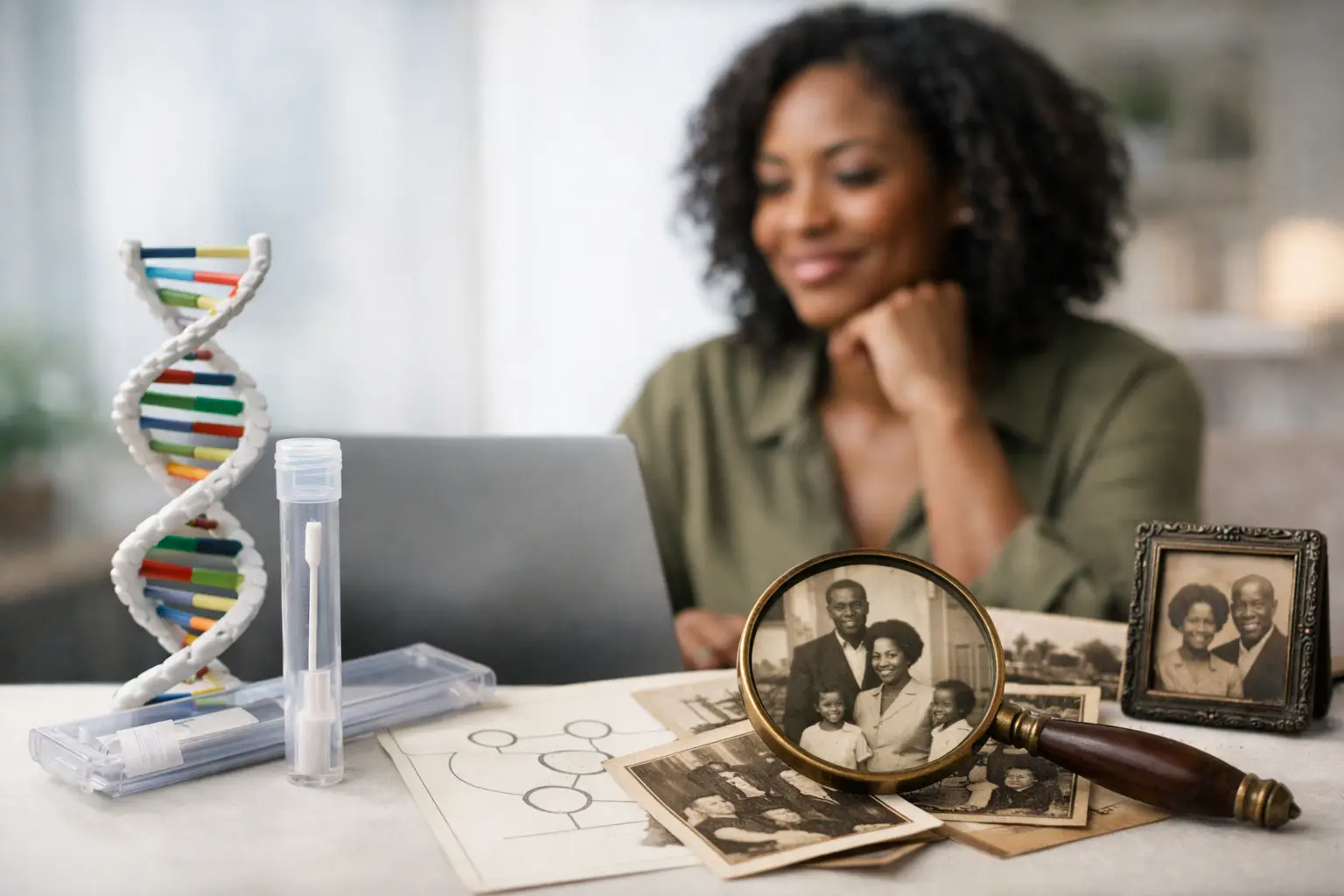
Genealogy Trends After DNA Kits Are Changing
Genealogy trends after DNA kits are shifting from match lists to records, relatives, and proof. Learn how to turn DNA clues into a proven family history.
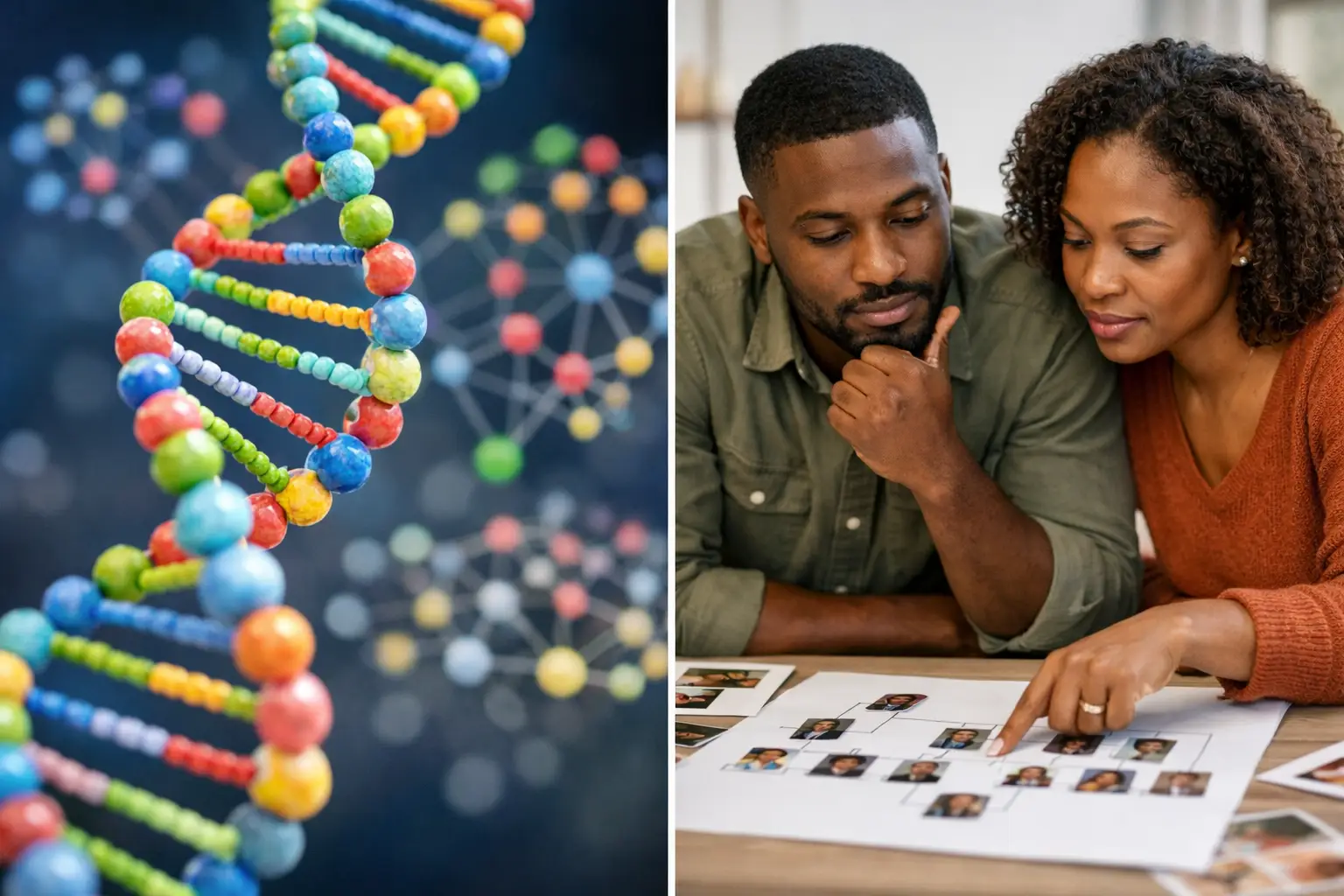
DNA Clustering vs Leeds Method: Which Finds Kin?
DNA clustering vs Leeds method: learn when each approach reveals ancestral lines, identifies shared matches, and points your research toward the records.

How DNA Clustering Solved an Unknown Grandfather
See how DNA clustering solved an unknown grandfather by turning match groups into a county, a paper trail, and a name your family can carry forward today.
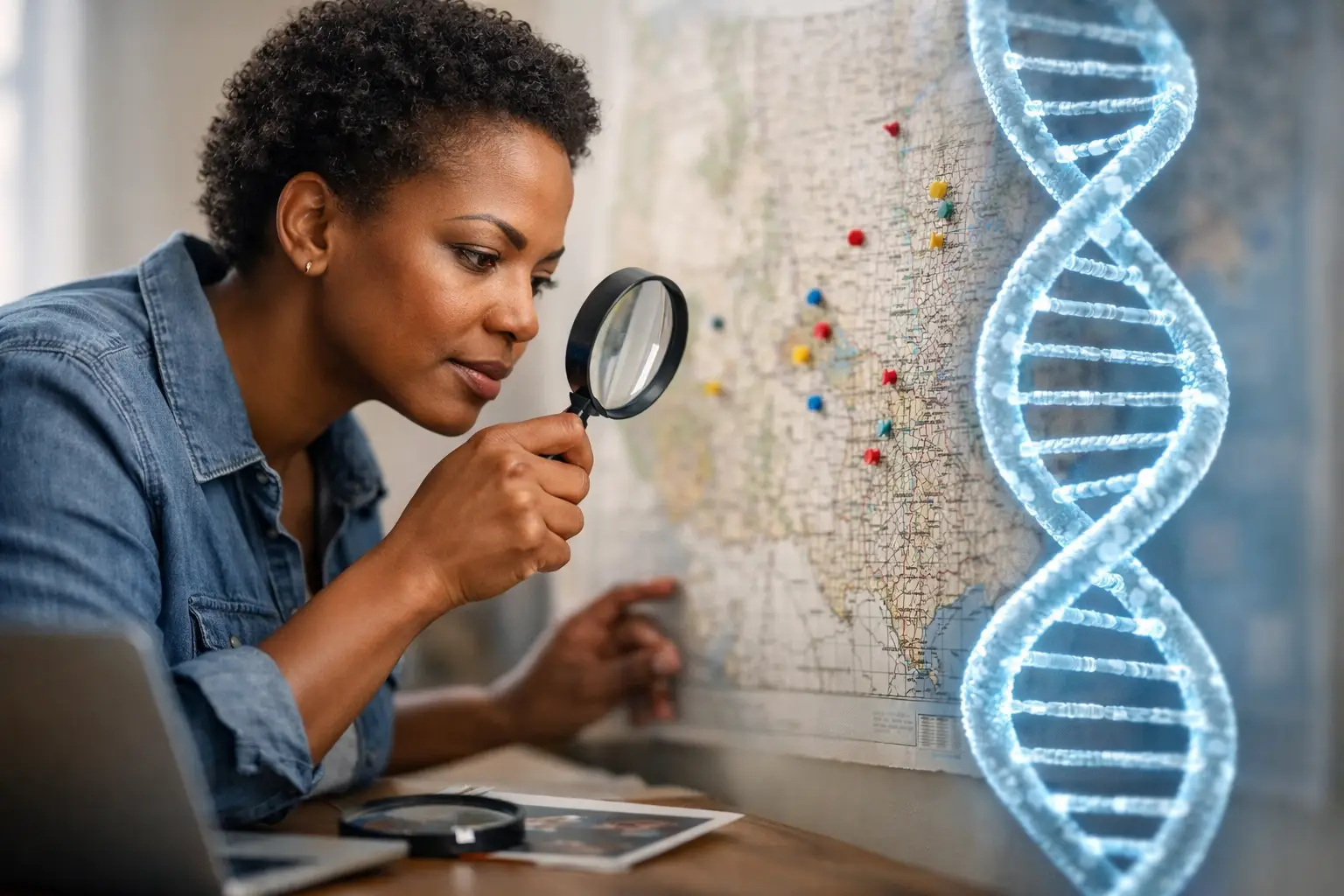
Hub Counties for DNA Genealogy: Find the Clue
Hub counties for DNA genealogy turn match clusters into targeted records, helping you find the county, archive, and next ancestor search faster for families.
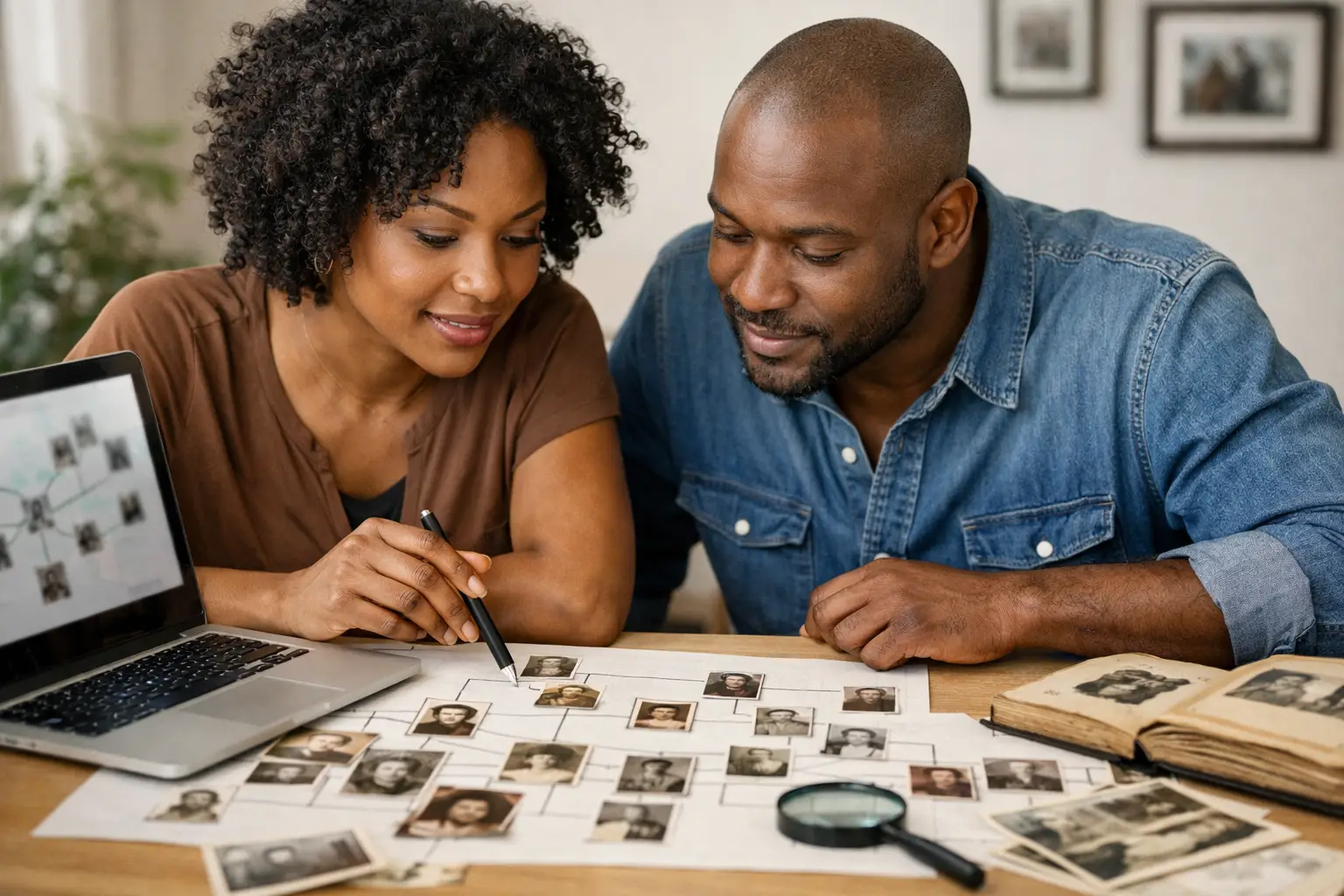
Beginner Guide to Cluster Genealogy
A beginner guide to cluster genealogy that shows how to trace ancestors through neighbors, kin, and records when direct family lines go cold fast.
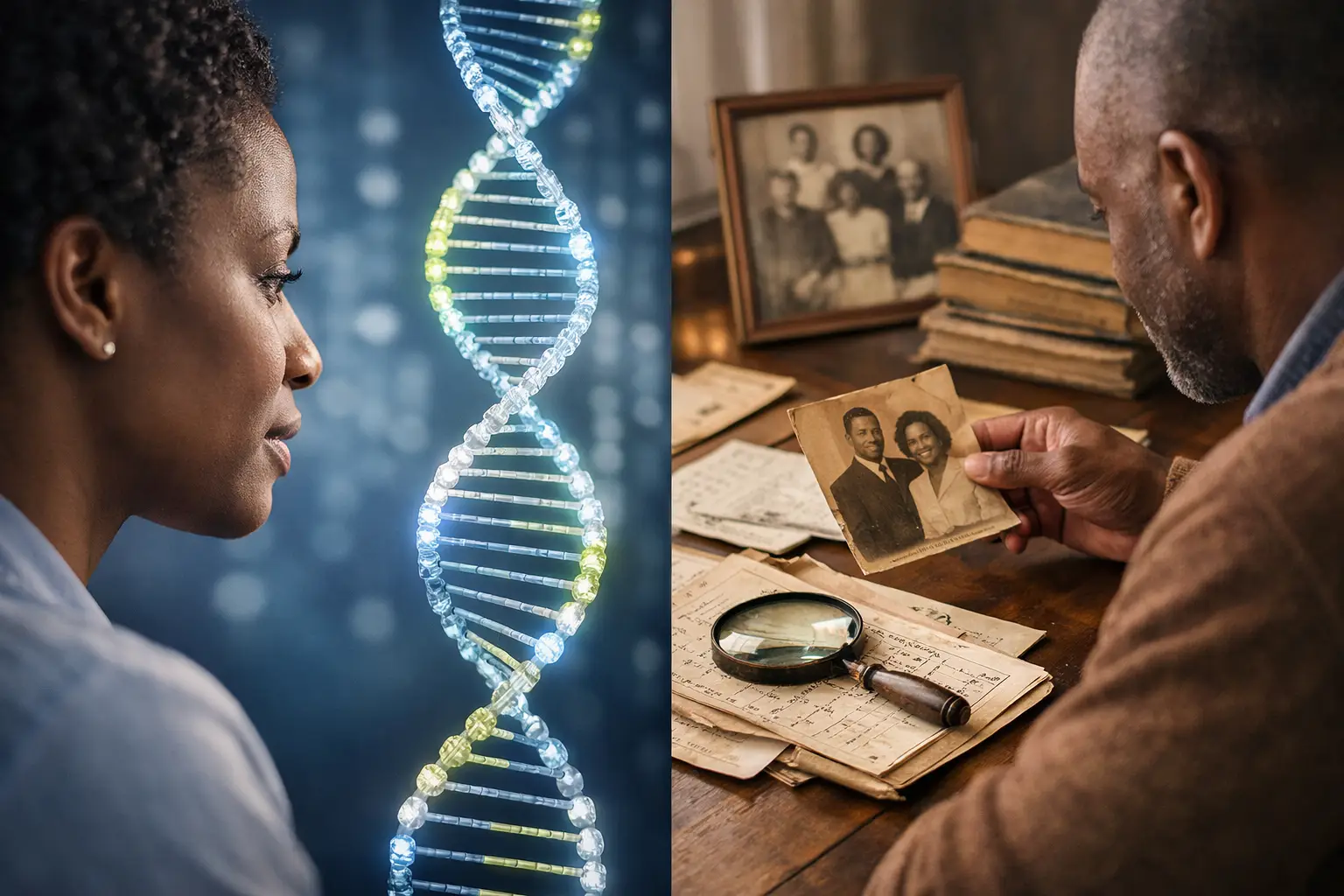
DNA Testing vs Paper Trail for Family History
DNA testing vs paper trail is not either-or. Learn when each works, where each fails, and how to use both to break stubborn family history walls.
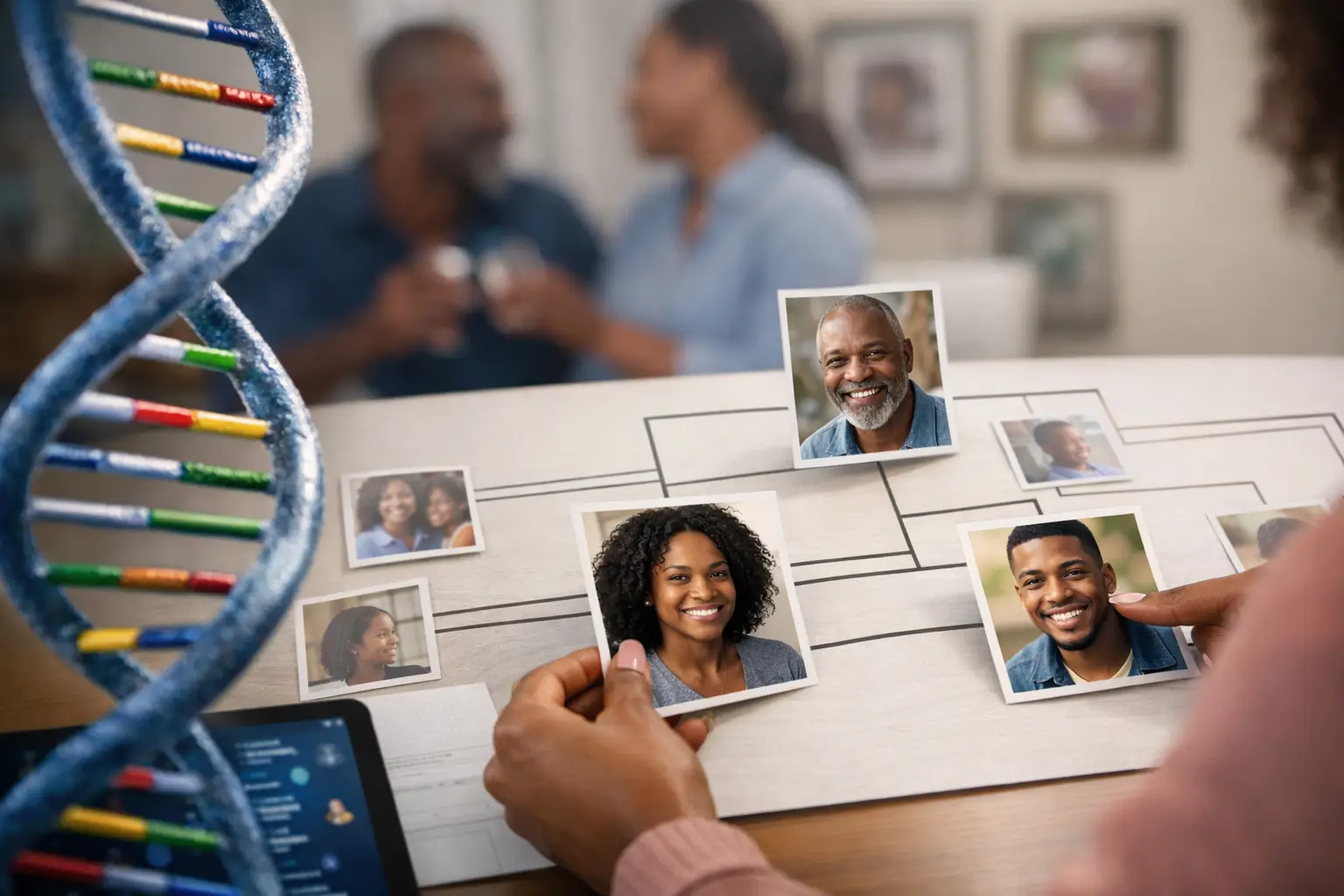
How to Use DNA Matches to Find Family
Learn how to use DNA matches to identify ancestors, sort clusters, and turn confusing match lists into clear family history next steps.

How to Interpret DNA Matches Clearly
Learn how to interpret DNA matches with confidence. Understand cM, shared ancestors, clusters, and what to search next in records.

Interpreting Cousin Match Centimorgans
Interpreting cousin match centimorgans helps you narrow relationships, test hypotheses, and choose the next record search with more confidence.

DNA Match Analysis Guide That Finds Clues
A DNA match analysis guide for turning shared matches, centimorgans, and trees into archive leads, counties, and next research steps fast.

Leeds Method Genealogy That Finds Patterns
Leeds method genealogy helps sort DNA matches into family groups fast, so you can spot shared lines, test theories, and move past research dead ends.
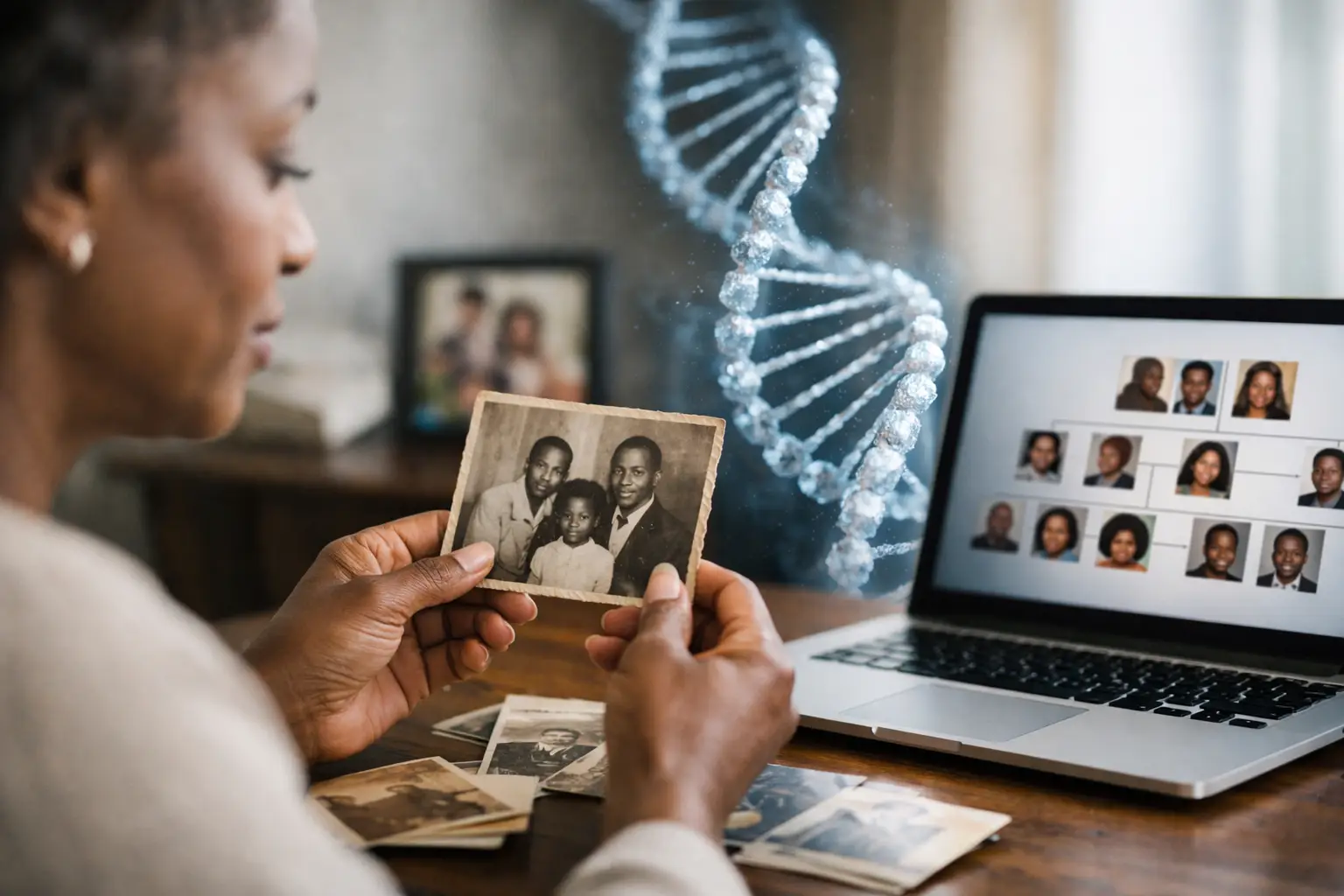
How DNA Matches Solved a Family Mystery
See how DNA matches solved family mystery cases by turning confusing cousin lists into records, counties, and next steps that move research forward.
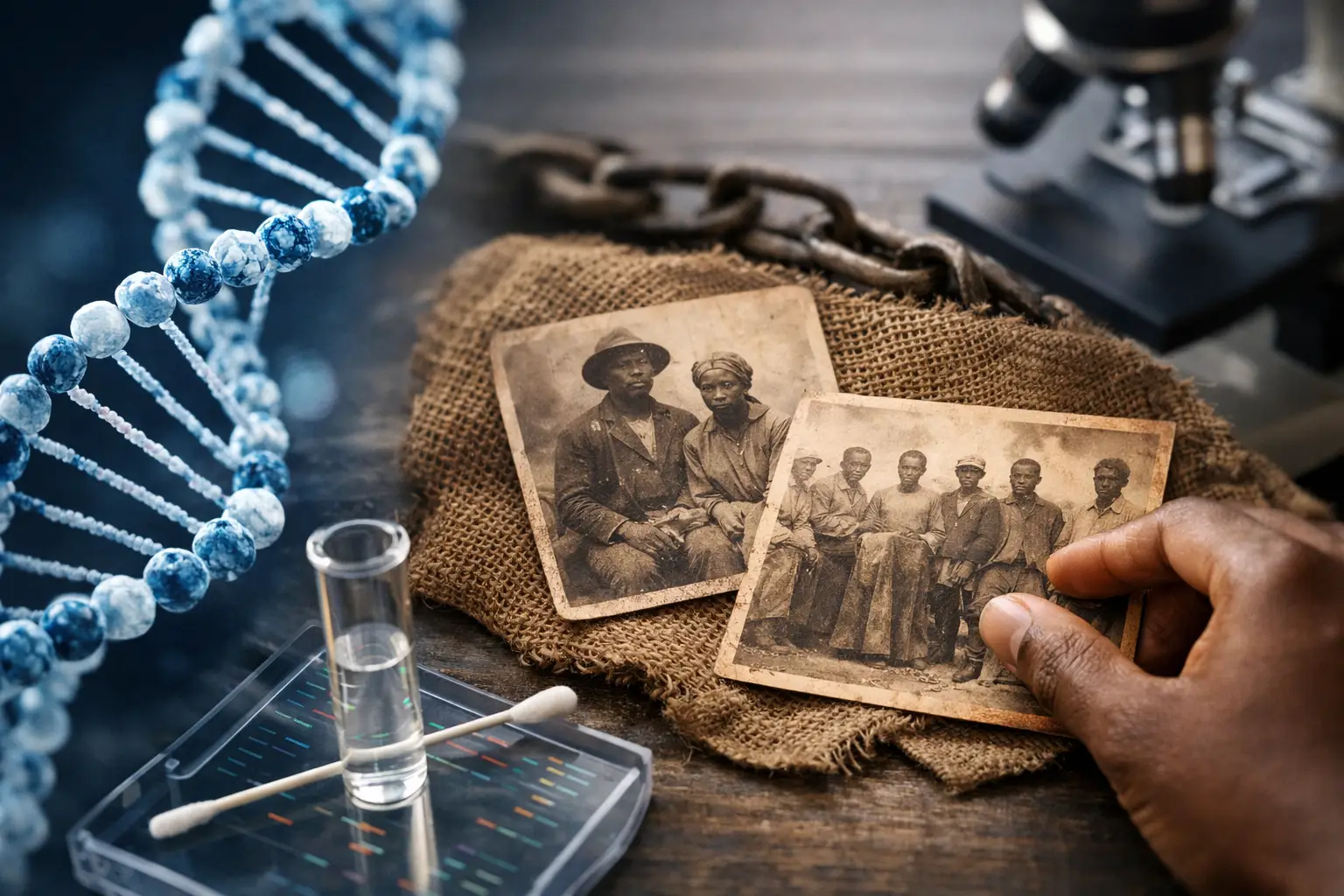
Can DNA Find Enslaved Ancestors?
Can DNA find enslaved ancestors? Yes - but not by itself. Learn what DNA can prove, where it falls short, and how to turn matches into records.